Federal Gas Tax Explained: Funding, Debates, and Future
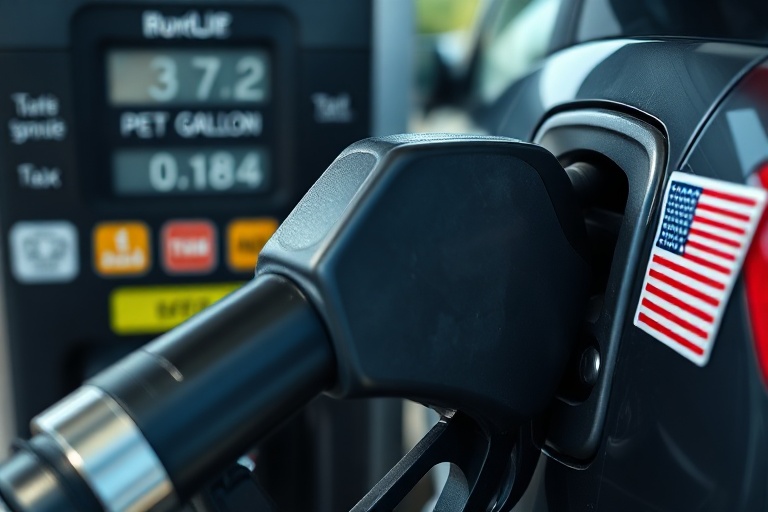
The federal gas tax has been a cornerstone of U.S. transportation funding for nearly a century. First established in 1932 at 1 cent per gallon, it now stands at 18.4 cents per gallon for gasoline and 24.4 cents per gallon for diesel. While its primary purpose is to fund road construction and maintenance, the tax has become a subject of intense debate among policymakers, economists, and drivers alike. Its future—and the infrastructure it supports—hinges on how these discussions evolve.
How the Federal Gas Tax Funds Infrastructure
The federal gas tax is not a standalone revenue stream. Instead, it feeds into the Highway Trust Fund, which distributes money to states for transportation projects. This includes everything from repairing bridges to expanding highway capacity. The system operates on a user-pay principle: drivers who use more gasoline contribute more to the fund. However, the tax has not been adjusted for inflation since 1993, and its purchasing power has eroded over time.
Funding distribution follows a formula-based approach, with allocations determined by factors like road mileage, vehicle registrations, and state population. While this system aims for fairness, critics argue it doesn’t always align with actual infrastructure needs. Urban areas with higher traffic congestion, for example, may receive less funding per mile of road than rural areas with lower usage but higher maintenance costs.
Where the Money Goes: A Breakdown of Spending
- Highway Maintenance and Repairs: Roughly 50% of the Highway Trust Fund goes toward routine maintenance, resurfacing, and bridge repairs.
- New Construction and Expansion: About 25% is allocated to new highway projects, including expansions to reduce congestion.
- Public Transit and Alternative Transportation: A smaller portion—around 20%—supports public transit systems, bike lanes, and pedestrian infrastructure.
- Administrative Costs: The remaining funds cover the costs of managing the trust fund, including federal oversight and state compliance.
Despite these allocations, the Highway Trust Fund faces persistent shortfalls. The Congressional Budget Office projects that, without adjustments, the fund could face a $195 billion shortfall over the next decade. This has led to calls for reform, including potential increases to the gas tax or alternative funding mechanisms.
The Political and Economic Debate Surrounding the Gas Tax
The federal gas tax sits at the intersection of multiple policy debates. On one side, advocates argue that raising the tax is necessary to maintain and modernize the nation’s aging infrastructure. The American Society of Civil Engineers gave U.S. roads a “D” grade in its 2021 report card, citing $786 billion in backlog needs. Without additional revenue, these deficiencies will only worsen.
Opponents, however, raise concerns about the regressive nature of the tax. Lower-income drivers spend a larger share of their income on gas, meaning a higher gas tax could disproportionately burden those who can least afford it. Additionally, the rise of electric vehicles (EVs) poses a long-term threat to gas tax revenue. As more drivers switch to EVs, the Highway Trust Fund receives less money, creating a funding gap that must be addressed.
Potential Solutions Under Discussion
- Indexing the Gas Tax to Inflation: Adjusting the tax rate annually to account for inflation would preserve its purchasing power without requiring congressional action.
- Expanding the Tax Base to Include EVs: Some proposals suggest imposing a fee on electric vehicle registrations or mileage-based taxes to ensure all drivers contribute to road maintenance.
- Alternative Revenue Streams: Toll roads, congestion pricing, and vehicle miles traveled (VMT) taxes are being explored as supplementary funding sources.
- Public-Private Partnerships: Leveraging private investment for infrastructure projects could reduce reliance on federal funding while accelerating completion.
These debates highlight a fundamental tension: How can the U.S. maintain its transportation network in an era of fiscal constraints and technological disruption? The answers will shape not just roads and bridges, but the broader economy and quality of life for millions of Americans.
Broader Implications: Beyond Potholes and Pavement
The federal gas tax’s impact extends far beyond the roads it helps build. It influences economic productivity, environmental policy, and even urban planning. For instance, higher gas taxes could incentivize the adoption of fuel-efficient vehicles or encourage remote work, reducing traffic congestion. Conversely, insufficient funding could lead to deteriorating roads, increased vehicle maintenance costs, and higher accident rates.
Environmental advocates also weigh in on the debate. While the gas tax discourages excessive driving, it doesn’t directly address carbon emissions. Some argue that a carbon tax or emissions-based fee would be a more effective tool for combating climate change. Others point out that the gas tax’s primary goal is funding infrastructure, not environmental policy, and that these goals should be pursued separately.
The Role of States in Filling the Funding Gap
States have increasingly taken matters into their own hands as federal funding stagnates. Twenty states have raised their gas taxes since 2013, often through legislation that indexes the tax to inflation or vehicle miles traveled. These state-level increases demonstrate a willingness to address infrastructure needs locally, but they also risk creating a patchwork of funding mechanisms that could disadvantage drivers who cross state lines frequently.
States like California have gone further by implementing cap-and-trade programs and low-carbon fuel standards, which indirectly raise the cost of gasoline while reducing emissions. These measures add another layer of complexity to the funding debate, as they blur the lines between transportation finance and environmental regulation.
What’s Next for the Federal Gas Tax?
The future of the federal gas tax remains uncertain. With political gridlock in Washington and competing priorities on Capitol Hill, meaningful reform appears unlikely in the near term. However, the urgency of the issue is undeniable. The Biden administration’s Infrastructure Investment and Jobs Act, passed in 2021, included $110 billion for roads and bridges, but this is only a temporary fix. Long-term solutions will require bipartisan cooperation and innovative thinking.
For drivers, the gas tax is more than just a line item on a receipt—it’s a tangible connection to the nation’s infrastructure. Whether it’s the smoothness of a freshly paved highway or the frustration of navigating a pothole-strewn road, the tax’s impact is felt daily. As the U.S. grapples with the challenges of 21st-century transportation, the federal gas tax will remain a critical—and contentious—piece of the puzzle.
For more insights into how infrastructure policies shape daily life, explore our Automotive and Politics sections. These categories delve into the intersection of policy, technology, and culture, offering deeper analysis on topics like this.