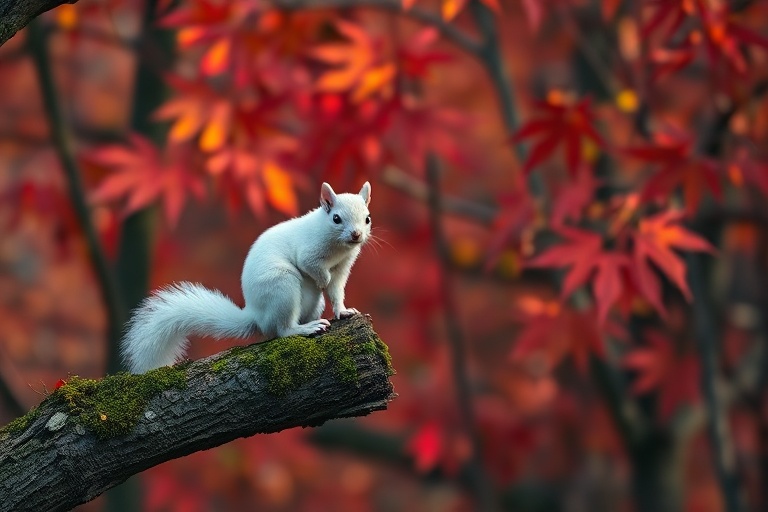
The term “squirrel white” might evoke images of albinism in tree-dwelling rodents, but it also captures something far more nuanced. Albinism in squirrels is rare, occurring in approximately 1 in 100,000 births across all squirrel species. These animals, with their snow-white fur and often pinkish eyes, stand out against the backdrop of their natural habitats. Yet their presence is more than just a visual oddity—it offers a window into the complexities of genetics, adaptation, and even human fascination with the unusual.
The Genetics Behind the White Coat
Albinism in squirrels results from a recessive genetic mutation that inhibits melanin production. Unlike their brown or gray counterparts, white squirrels lack the pigment that typically gives fur its color. This mutation isn’t limited to a single species; it has been documented in eastern gray squirrels, fox squirrels, and even flying squirrels. The condition is most commonly observed in urban and suburban areas, where these animals are more likely to be seen and reported.
The white fur isn’t just a cosmetic trait. It often comes with heightened sensitivity to sunlight, making white squirrels more vulnerable to predators and environmental stressors. Yet, in some cases, their rarity itself provides a form of camouflage—an ironic twist where their unusual appearance makes them less conspicuous in snowy landscapes. Scientists have noted that white squirrels in regions with mild winters may face higher predation rates due to their visibility, while those in colder climates might blend in more effectively.
Interestingly, the gene responsible for albinism can persist in populations through carriers—squirrels that carry the recessive trait but don’t express it. This means that even if a white squirrel isn’t present in a given generation, the potential for albinism remains hidden within the gene pool. Some researchers have suggested that this could contribute to the occasional appearance of white squirrels in areas where they haven’t been documented before.
Cultural Symbolism and Human Fascination
White squirrels have long captured the public imagination, often becoming local legends or mascots. Perhaps the most famous example is the white squirrel population in Olney, Illinois, where albino squirrels have been protected since the 1930s. The town even declared a “White Squirrel Protection Ordinance” in 1997, making it illegal to harm or remove them. This legal safeguard reflects a broader cultural trend where white squirrels are seen as symbols of uniqueness and community pride.
In folklore, white animals are often associated with purity, mystery, or even supernatural significance. White squirrels, in particular, have been featured in Native American stories as tricksters or omens. Their rarity makes them natural focal points for human stories, whether as subjects of local pride or as subjects of scientific study. Even today, sightings of white squirrels are often reported with excitement, shared widely on social media and local news outlets.
This fascination isn’t just limited to the United States. In the UK, white squirrels have been spotted in various regions, including a notable population in Cambridgeshire. These sightings often spark debates about whether the animals are truly albino or if they represent a different genetic variation, such as leucism—a condition that reduces pigmentation but doesn’t affect the eyes. The distinction is subtle but important, as leucistic squirrels retain some color in their fur or eyes, unlike true albinos.
The Ecological Role of White Squirrels
From an ecological standpoint, white squirrels play a role similar to their pigmented counterparts, though their presence can influence local ecosystems in subtle ways. Their visibility makes them easier targets for predators like hawks, owls, and domestic cats, which could shift the dynamics of predator-prey relationships in urban areas. Conversely, their rarity might reduce competition for resources, allowing them to thrive in specific niches where other squirrels might not.
White squirrels also serve as indicators of broader environmental changes. For instance, their increased presence in urban areas could signal shifts in habitat use, possibly due to climate change or the expansion of human development. Some researchers speculate that as winters become milder in certain regions, white squirrels may face new challenges in adapting to environments where snow cover is less reliable. This could lead to a decline in their populations or force them to migrate to more suitable habitats.
Additionally, white squirrels contribute to biodiversity, even if their numbers are small. Their genetic uniqueness adds to the overall genetic diversity of squirrel populations, which can be crucial for the long-term health of the species. In some cases, white squirrels have been observed mating with non-albino squirrels, producing offspring that carry the recessive gene. This genetic mixing can help maintain the trait within the population, ensuring that the potential for albinism persists.
Where to Spot White Squirrels
For those eager to catch a glimpse of a white squirrel, several locations across North America are known for their populations. Olney, Illinois, remains a top destination, with an estimated 1,000 white squirrels roaming the town. The city even celebrates its albino squirrels with an annual White Squirrel Count and Festival, drawing visitors from across the country. Brevard, North Carolina, is another hotspot, home to a thriving population of white squirrels that have become a beloved part of the local identity.
If you’re planning a trip, here are some tips for maximizing your chances of spotting a white squirrel:
- Visit urban parks and campuses: White squirrels are more commonly spotted in areas with human activity, where they may have adapted to urban environments.
- Look during dawn or dusk: Squirrels are most active during these times, increasing your chances of a sighting.
- Bring binoculars: Their white fur can blend into snowy or light-colored backgrounds, so a closer look may be necessary.
- Check local wildlife reports: Some areas maintain records of white squirrel sightings, which can help you narrow down your search.
For those unable to travel, white squirrels have also been spotted in zoos and wildlife sanctuaries, where they are often part of educational programs. These settings provide a safe environment for albino squirrels, allowing visitors to observe them up close without disturbing their natural behaviors.
A Reflection on Rarity and Beauty
The allure of white squirrels lies in their rarity and the stories they inspire. They remind us that nature’s beauty often lies in the unexpected, in the creatures that stand out against the ordinary. Whether viewed through the lens of science, culture, or ecology, white squirrels offer a compelling narrative about adaptation, survival, and the delicate balance of ecosystems.
As urbanization continues to reshape landscapes, the presence of white squirrels may become even more significant. They serve as ambassadors of biodiversity, highlighting the importance of preserving unique genetic traits and the habitats that support them. For communities lucky enough to share their environment with these animals, they are a reminder of nature’s quiet wonders—easily overlooked but impossible to forget once seen.
Next time you’re outdoors, take a moment to look beyond the ordinary. You might just catch a glimpse of a white squirrel, a fleeting moment of magic in the everyday world.
Explore more trending stories or discover fascinating wildlife features on Dave’s Locker.