The White House: History, Power, and Political Symbolism Explained
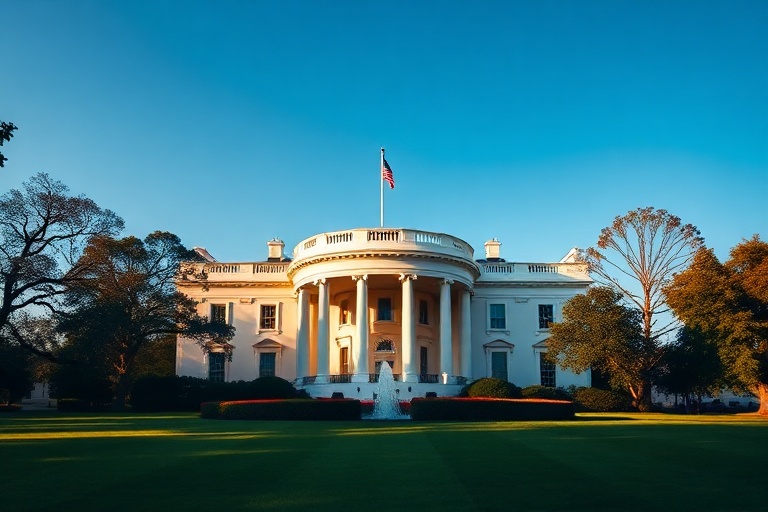
The White House stands as one of the most recognizable symbols of political power in the world. More than just a residence for the U.S. president, it functions as a working office, a museum, and a stage for global diplomacy. Its neoclassical architecture and storied halls have witnessed pivotal moments in American history. Understanding the White House requires examining its dual role as both a physical landmark and an evolving institution.
A Brief History and Architectural Legacy
Designed by Irish-born architect James Hoban, the White House was completed in 1800 after eight years of construction. Hoban’s design drew inspiration from Irish country houses and the Leinster House in Dublin. The building’s distinctive white sandstone façade, which gave it its name, was chosen to cover the original sandstone exterior, which had been damaged by fire during the War of 1812.
The White House has undergone numerous renovations and expansions over the centuries. Perhaps the most significant was the Truman Reconstruction in the late 1940s and early 1950s, which reinforced the interior structure with steel beams while preserving its historic exterior. More recently, technological upgrades have included advanced security systems and energy-efficient modifications. Despite these changes, the building retains much of its original character, including the Oval Office, which was added during Franklin D. Roosevelt’s presidency.
Key Design Elements and Symbolism
- North Portico: The primary entrance used for formal events and welcoming foreign dignitaries. Its grand columns and pediment evoke classical democracy.
- South Portico: Faces the South Lawn and the Washington Monument, offering a more informal approach to the residence.
- Cross Hall: A central corridor connecting the East and West Wings, lined with portraits of past presidents.
- Blue Room: One of the few elliptical rooms in the world, used for diplomatic receptions and official portraits.
Beyond the Building: The White House as a Political Institution
The White House is more than its architecture; it embodies the executive branch of the U.S. government. The president’s role as both head of state and head of government is reflected in the building’s dual function as a workplace and a residence. The West Wing, in particular, houses the Oval Office, the Cabinet Room, and the Situation Room, where critical decisions are made daily.
Presidential administrations have shaped the White House’s role in unique ways. For example, John F. Kennedy’s presidency transformed the building into a cultural hub, hosting prominent artists, musicians, and intellectuals. In contrast, Ronald Reagan’s tenure emphasized a return to traditional values, with the White House becoming a symbol of conservative ideals during his administration.
The White House and the Media
The relationship between the White House and the media has evolved dramatically over time. In the 20th century, press briefings and photo ops became integral to presidential communication strategies. The White House press corps, a group of journalists granted permanent access to cover the president, plays a crucial role in shaping public perception.
Social media has further transformed this dynamic. Platforms like Twitter and Instagram allow presidents to bypass traditional media outlets and communicate directly with the public. Donald Trump’s use of Twitter, in particular, redefined presidential messaging, often bypassing established protocols. This shift has raised questions about transparency, accountability, and the role of the press in a digital age.
The White House in the 21st Century: Challenges and Future Directions
Today, the White House faces a range of challenges, from security concerns to debates over its historical legacy. The Jan. 6, 2021, attack on the U.S. Capitol highlighted vulnerabilities in the nation’s security apparatus, prompting calls for enhanced protection of the White House and surrounding areas.
Climate change also poses a long-term threat to the building. Rising sea levels and extreme weather events could impact Washington, D.C., raising questions about the White House’s resilience. In response, the National Park Service and the White House Historical Association have implemented sustainability initiatives, including solar panel installations and water conservation efforts.
Preserving History While Embracing Change
Balancing preservation with modernization remains a constant challenge. The White House must adapt to technological advancements while maintaining its historical integrity. For example, the introduction of digital archives has made historical documents more accessible, but it also raises concerns about data security and preservation.
Meanwhile, debates over the White House’s role in American culture continue. Some argue that the building has become too politicized, losing its symbolic power as a unifying national landmark. Others see it as a living testament to the nation’s democratic principles, evolving alongside the country it represents.
Conclusion: A Living Monument to Democracy
The White House remains a powerful symbol of American democracy, resilience, and ambition. Its walls have witnessed triumphs and tragedies, from the signing of the Emancipation Proclamation to the aftermath of the 9/11 attacks. Yet, it is more than a static monument; it is a dynamic institution that reflects the nation’s values and challenges.
As the United States navigates an era of political polarization and technological disruption, the White House’s role will continue to evolve. Whether as a stage for global diplomacy or a target for political dissent, its significance is unlikely to fade. For future generations, the White House will remain a reminder of the enduring power—and fragility—of democratic governance.
For those interested in exploring the intersection of history and politics, Dave’s Locker News offers in-depth coverage of current events shaping the nation. Additionally, Dave’s Locker Analysis provides expert perspectives on the broader implications of political developments.