Ushuaia: Argentina’s Southernmost City and Adventure Capital
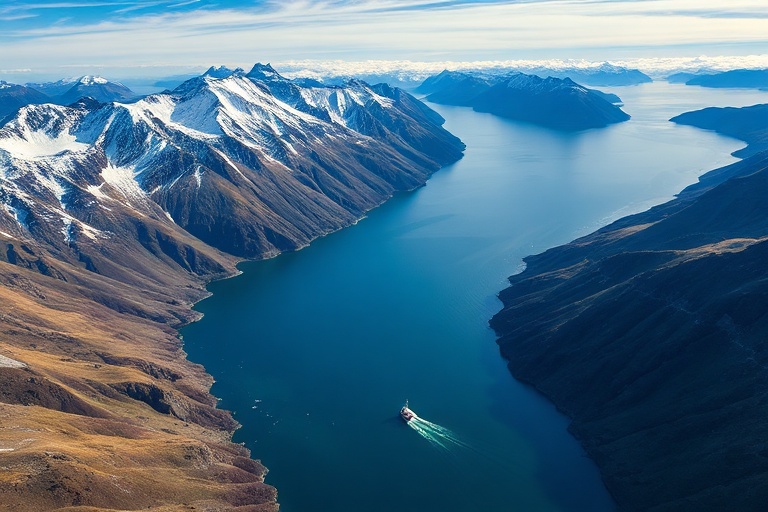
Nestled on the rugged southern tip of Argentina, Ushuaia stands as a testament to human resilience and the allure of the unknown. Known as the “End of the World,” this city of approximately 80,000 residents occupies a unique position both geographically and culturally. Its remote location at 54°48′S latitude offers a blend of dramatic landscapes, extreme weather, and a thriving tourism industry that attracts adventurers from across the globe.
Unlike typical urban centers, Ushuaia thrives on its proximity to untamed wilderness. The city serves as a gateway to Tierra del Fuego National Park, the Beagle Channel, and the legendary Cape Horn. This isolation has shaped its identity, fostering a community that balances modern amenities with an adventurous spirit. From ski resorts to maritime expeditions, Ushuaia defies expectations of what a southernmost city can offer.
The Geography and Climate: A Land of Extremes
Ushuaia’s location on Isla Grande de Tierra del Fuego places it in a zone of climatic extremes. The city experiences a subpolar oceanic climate, characterized by cool temperatures, frequent precipitation, and strong winds year-round. Summers (December to February) rarely exceed 15°C (59°F), while winters (June to August) can drop to near-freezing levels with occasional snowfall.
This unforgiving environment has shaped the city’s infrastructure and lifestyle. Buildings are designed to withstand high winds, and residents adopt a pragmatic approach to weather—layered clothing is a necessity rather than a choice. The surrounding landscape amplifies these conditions, with the Martial Mountains providing a stunning but challenging backdrop for outdoor activities.
Key Geographic Features of Ushuaia
- Beagle Channel: A strait separating Isla Grande de Tierra del Fuego from smaller islands, named after the HMS Beagle, which surveyed the area in the 1830s.
- Tierra del Fuego National Park: A protected area covering over 60,000 hectares, featuring dense forests, alpine meadows, and glacial lakes.
- Mount Olivia: The highest peak in the Martial Mountains at 1,326 meters, offering challenging hiking and mountaineering opportunities.
- Les Eclaireurs Lighthouse: A historic beacon located on a small island in the Beagle Channel, accessible only by boat.
A City Shaped by History and Isolation
Ushuaia’s origins trace back to the 19th century, when it began as a missionary settlement and later became a penal colony. The Argentine government established the Presidio de Ushuaia in 1896, using the remote location to house some of the country’s most dangerous criminals. The prison, now a museum, offers a glimpse into this dark chapter of the city’s history.
The closure of the penal colony in 1947 marked a turning point. Ushuaia transitioned from a place of punishment to a hub for exploration and tourism. The construction of Route 3 in the 1970s connected the city to the rest of Argentina, breaking its isolation and paving the way for economic growth. Today, Ushuaia is a vibrant urban center with modern amenities, yet it retains a frontier mentality that sets it apart from other Argentine cities.
Tourism and Adventure: The Heart of Ushuaia’s Economy
Tourism is the lifeblood of Ushuaia’s economy, drawing visitors with promises of adventure and natural beauty. The city’s proximity to Antarctica has earned it the nickname “Gateway to the White Continent,” with expedition cruises departing from its port between November and March. These voyages attract polar enthusiasts eager to witness the icy landscapes and wildlife of the Antarctic Peninsula.
On land, Ushuaia offers a range of activities tailored to outdoor enthusiasts. Skiing and snowboarding at the Cerro Castor resort are popular during the winter months, while summer brings hiking, mountain biking, and wildlife tours. The Tierra del Fuego National Park provides a pristine environment for trekking, with trails leading to glacial lakes and panoramic viewpoints.
Cultural tourism also plays a role, with museums like the Museo Marítimo de Ushuaia (Maritime Museum) showcasing the city’s history and the legacy of the penal colony. The End of the World Train, or “Tren del Fin del Mundo,” offers a scenic journey through the foothills of the Martial Mountains, providing both historical context and breathtaking views.
Top Activities in Ushuaia
- Antarctic Expedition Cruises: Multi-day voyages to the Antarctic Peninsula, often departing from Ushuaia’s port during the austral summer.
- Tierra del Fuego National Park: Hiking, wildlife spotting, and kayaking in one of Argentina’s most remote national parks.
- Cerro Castor Ski Resort: The southernmost ski resort in the world, offering slopes for all skill levels during the winter season.
- Beagle Channel Boat Tours: Excursions to see sea lions, penguins, and the iconic Les Eclaireurs Lighthouse.
- Museo Marítimo de Ushuaia: A former naval base turned museum, detailing the city’s history as a penal colony and its maritime heritage.
The Broader Implications: Ushuaia as a Case Study in Remote Urbanism
Ushuaia’s unique position offers valuable insights into the challenges and opportunities of remote urbanism. Its isolation has forced the city to develop innovative solutions for sustainability, transportation, and economic resilience. The reliance on tourism, while lucrative, also presents vulnerabilities, such as seasonal fluctuations and the impacts of climate change on natural attractions.
Environmental conservation is a growing concern in Ushuaia. The city’s proximity to fragile ecosystems, such as Antarctica and Tierra del Fuego National Park, requires careful management to preserve biodiversity. Efforts to promote sustainable tourism, such as limiting cruise ship traffic and supporting eco-friendly accommodations, are gaining traction. These initiatives reflect a broader trend in global tourism, where destinations must balance economic growth with environmental stewardship.
Ushuaia also serves as a model for how remote communities can leverage their unique attributes to attract visitors. Unlike traditional tourist hotspots, Ushuaia’s appeal lies in its authenticity and adventure. The city’s ability to reinvent itself—from a penal colony to a polar gateway—demonstrates the potential for remote locations to thrive in an increasingly interconnected world.
Conclusion: A City That Defies Expectations
Ushuaia is more than just a destination; it is an experience that challenges perceptions of urban life and adventure. Its remote location, harsh climate, and rich history create a tapestry of stories that captivate visitors and residents alike. Whether viewed as a gateway to Antarctica, a haven for outdoor enthusiasts, or a testament to human resilience, Ushuaia stands apart as a city that refuses to be ordinary.
As global travel continues to evolve, Ushuaia’s role as a pioneer in remote tourism will only grow. The city’s ability to adapt while preserving its unique character offers lessons for other destinations facing similar challenges. For those willing to venture to the edge of the world, Ushuaia delivers an unforgettable journey—one that leaves a lasting impression on the soul.
For travelers seeking adventure beyond the ordinary, Ushuaia is a reminder that the most extraordinary experiences often lie at the very ends of the Earth.
Explore more about adventure destinations on Dave’s Locker Travel or dive into cultural explorations on Dave’s Locker Culture.