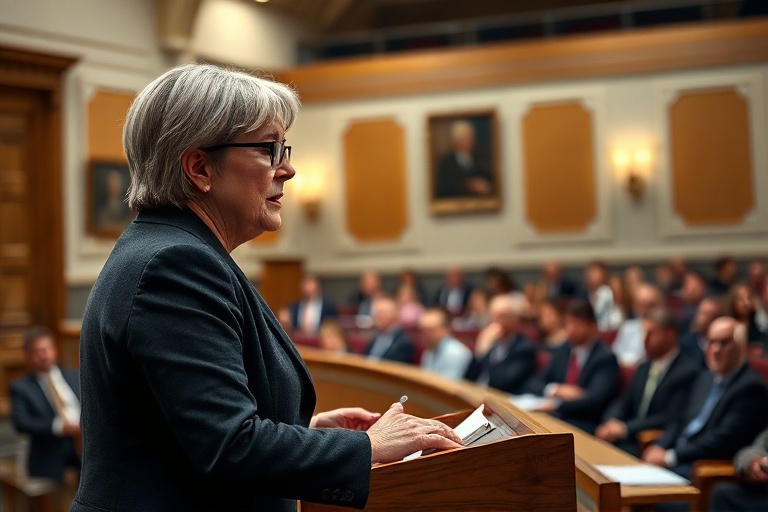
Local governance relies heavily on the work of councillors, individuals elected to represent their communities and shape public policy at the municipal level. Their responsibilities span from budget oversight to community engagement, making them essential figures in the democratic process. Yet for many residents, the specific duties and impact of a councillor remain unclear.
This article explores the multifaceted role of a councillor, examining how they function within local government structures, the challenges they face, and the ways residents can engage with their representatives. By breaking down these elements, we aim to clarify how local leadership influences everyday life.
The Core Responsibilities of a Councillor
Councillors serve as elected officials who represent specific wards or districts within a municipality. Unlike mayors or city managers, who often hold executive roles, councillors typically focus on legislative and oversight functions. Their primary duties include attending council meetings, voting on local ordinances, and approving budgets that fund public services.
The scope of their work extends beyond formal meetings. Councillors often act as liaisons between residents and municipal departments, addressing concerns like zoning issues, public transportation, or waste management. They may also serve on committees that specialize in areas such as housing, environment, or economic development. This diversity of responsibilities requires a broad skill set, including negotiation, public speaking, and analytical thinking.
While specific powers vary by jurisdiction, most councillors share several key responsibilities:
- Policy Development: Drafting, debating, and voting on local laws and regulations.
- Budget Approval: Reviewing and approving municipal budgets to ensure fiscal responsibility.
- Constituent Services: Addressing resident complaints and advocating for community needs.
- Oversight: Monitoring the performance of city departments and holding officials accountable.
The Election Process and Term Limits
Councillors are elected through municipal elections, which are typically held every four years in many regions. The process varies by country and even by municipality, but it generally involves candidates running on platforms that address local priorities. Some jurisdictions use a ward-based system, where voters elect representatives for specific geographic areas, while others employ an at-large system, where councillors represent the entire municipality.
Campaigning for a council seat often requires grassroots effort. Candidates must gather signatures to appear on ballots, participate in debates, and engage with voters through town halls or social media. Once elected, councillors serve fixed terms, though some municipalities allow for recall elections if a representative fails to meet expectations.
In certain cases, councillors may be subject to term limits, which cap the number of consecutive terms they can serve. Proponents argue that term limits prevent entrenched power dynamics, while critics contend they can disrupt institutional knowledge. Regardless of the system in place, the election process ensures that local leadership remains responsive to the electorate.
The Challenges Councillors Face
Serving as a councillor is not without its difficulties. One of the most significant challenges is balancing the needs of diverse constituents. Urban areas, for example, may grapple with issues like affordable housing and traffic congestion, while rural municipalities might focus on infrastructure and agricultural concerns. Councillors must navigate these competing priorities without alienating any segment of their electorate.
Another hurdle is the bureaucratic nature of local government. Councillors often spend considerable time reviewing complex legislation or negotiating with city staff, which can slow progress on initiatives. Additionally, public scrutiny is intense; every decision a councillor makes can be scrutinized by residents, media, or advocacy groups. This pressure can lead to burnout or public backlash.
Financial constraints also pose a persistent challenge. Municipal budgets are frequently limited, forcing councillors to make difficult trade-offs when allocating funds. For instance, a councillor advocating for improved public transit may need to compromise on other infrastructure projects to stay within budget. These constraints highlight the importance of strategic planning and collaboration.
Finally, political polarization can complicate governance. Councillors may find themselves caught between ideological divides, whether within the council or among their constituents. Bridging these divides often requires diplomacy and a willingness to seek compromise.
How Residents Can Engage with Their Councillors
Effective local governance depends on active citizen participation. Residents can influence the work of their councillors in several ways, starting with attending council meetings. Most municipalities hold open forums where the public can voice concerns or ask questions. These meetings provide a direct line of communication between councillors and the communities they serve.
Another avenue for engagement is through advisory committees. Many municipalities establish committees focused on specific issues, such as sustainability or youth services. Joining these groups allows residents to collaborate with councillors and contribute to policy discussions. Additionally, social media platforms enable direct interaction, though in-person communication often yields more meaningful exchanges.
Residents can also advocate for change by organizing grassroots campaigns. Whether addressing a local park’s maintenance or a proposed development, collective action amplifies voices and increases the likelihood of policy shifts. Councillors are more likely to respond to organized, well-reasoned arguments backed by community support.
For those interested in running for office, understanding the role of a councillor is the first step. Local political parties or advocacy groups often provide resources for aspiring candidates, from training sessions to campaign strategies. Serving as a councillor offers an opportunity to make a tangible difference in one’s community, but it requires dedication and a willingness to listen.
Conclusion
Councillors play a vital role in shaping the communities they represent. From crafting local laws to addressing resident concerns, their work directly impacts the quality of life for thousands of people. While the role comes with challenges, including political polarization and financial constraints, it also offers a platform to drive meaningful change.
For residents, engaging with councillors—whether through attending meetings, joining committees, or organizing campaigns—can amplify their voices and influence local decision-making. As municipalities continue to evolve, the collaboration between councillors and their communities will remain essential to fostering equitable and sustainable growth.
To learn more about local governance and how to get involved, visit our Politics category or explore Community resources for additional insights.