Andrew Mountbatten-Windsor: The Royal Figure Shaping Modern Monarchy
The name Andrew Mountbatten-Windsor carries weight in royal circles, not just as a member of the British monarchy but as a figure whose actions and public presence have redefined the institution’s relationship with modernity. As the third child and second son of Queen Elizabeth II and Prince Philip, Andrew has spent decades navigating the complexities of royal duty, personal controversies, and global expectations. His life reflects the tension between tradition and the evolving role of the monarchy in the 21st century.
The Duke of York, as he is officially titled, was born on February 19, 1960, during a period when the British monarchy was still a symbol of imperial prestige. His upbringing was steeped in protocol, military service, and public obligations, setting the stage for a career that would later become both celebrated and scrutinized. Unlike his siblings, Andrew’s path diverged from conventional royal duties after a series of personal and professional challenges, yet his influence persists in shaping how the monarchy adapts—or resists change.
The Early Years: A Prince’s Preparation for Duty
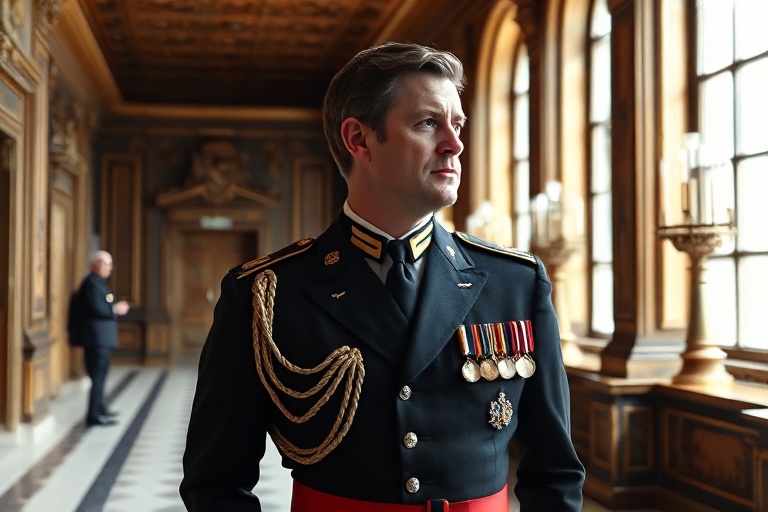
Andrew Mountbatten-Windsor’s early life was marked by the expectations of a royal heir. Educated at Gordonstoun, the same school his father attended, Andrew was groomed for a life of service. His naval career, which saw him serve in the Falklands War, became a cornerstone of his public identity. The prince’s military service not only earned him respect but also aligned him with the monarchy’s historical ties to the armed forces.
His marriage to Sarah Ferguson in 1986 was another defining moment. The union, which produced two daughters—Beatrice and Eugenie—initially captivated the public. Yet, the fairy-tale narrative soon unraveled amid tabloid scandals and financial controversies. These early challenges foreshadowed the complexities that would define Andrew’s later years.
A Career in Transition: From Royal Duties to Public Scrutiny
The year 2001 marked a turning point for Andrew. As trade envoy for the UK, he became a global ambassador for British business, leveraging his royal status to foster international trade relationships. His role took him to emerging markets, where he positioned himself as a bridge between tradition and commerce. Yet, his tenure was not without criticism. Detractors argued that his diplomatic efforts blurred the line between public service and personal gain.
By the 2010s, Andrew’s public profile began to shift. Allegations of impropriety, including his association with convicted sex offender Jeffrey Epstein, cast a long shadow over his reputation. The monarchy, already grappling with public trust issues, distanced itself from Andrew. In 2019, he stepped back from public duties, a move that underscored the monarchy’s struggle to reconcile personal conduct with institutional expectations.
The Global Perspective: Monarchy in an Era of Scrutiny
Andrew Mountbatten-Windsor’s story is not just a personal one; it reflects broader trends in global monarchy. Across Europe, royal families face mounting pressure to modernize while preserving tradition. The British monarchy, in particular, has had to adapt to social media scrutiny, declining public trust, and calls for transparency. Andrew’s case highlights these tensions, particularly in how institutions respond to personal failings.
In nations like Spain and the Netherlands, similar debates rage over the relevance of monarchies. Yet, the British monarchy remains a global symbol, its actions closely watched. Andrew’s struggles offer a case study in how even the most entrenched institutions must evolve—or risk obsolescence.
The Role of Media and Public Perception
The media’s portrayal of Andrew has played a pivotal role in shaping his legacy. Tabloids and broadsheets alike have dissected his every move, often framing him as either a victim of circumstance or a symbol of institutional failure. This duality raises questions about how royal figures are judged in the public eye. Is Andrew’s story one of redemption, or does it reveal the monarchy’s inability to reform?
Social media has amplified these narratives. Memes, viral videos, and online forums dissect his actions with unprecedented speed. Unlike the carefully curated image of his mother’s reign, Andrew’s public persona exists in the raw, unfiltered landscape of digital discourse.
Lessons from Andrew’s Journey: Tradition vs. Modernity
Andrew Mountbatten-Windsor’s life offers several key takeaways about the monarchy’s future. First, the institution must confront its contradictions head-on. Personal conduct and public duty are no longer easily separated. Second, the monarchy’s survival may depend on its ability to embrace transparency, even when it reveals uncomfortable truths.
For the British royal family, Andrew’s story is a cautionary tale. It demonstrates how quickly public sentiment can shift and how even the most entrenched institutions must adapt. Yet, it also highlights the monarchy’s resilience. Despite scandals, the Crown remains a powerful symbol, though its future may look very different from its past.
What Comes Next? The Duke’s Legacy and the Monarchy’s Future
As of 2024, Andrew remains a polarizing figure. His recent public appearances, including a 2023 interview with the BBC, suggest a desire to reclaim some relevance. Yet, the monarchy’s response has been measured. While he retains his royal title, his official duties remain limited.
The broader question is whether the monarchy can reinvent itself. Andrew’s life—marked by both service and scandal—embodies this tension. His story forces us to ask: Can tradition and modernity coexist, or is the monarchy destined to become a relic of a bygone era?
For now, Andrew Mountbatten-Windsor remains a figure caught between past and future. His journey is far from over, and neither is the debate about the monarchy’s role in the modern world.