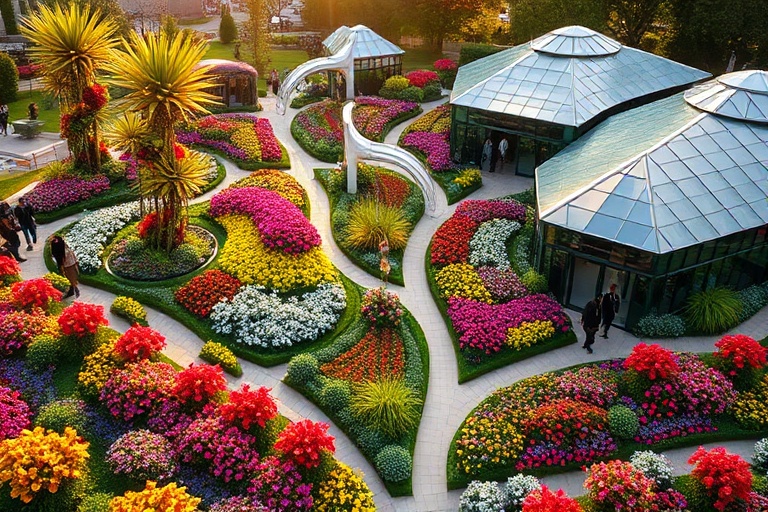
The Chelsea Flower Show 2026: Where Tradition Meets Tomorrow
The Royal Horticultural Society’s Chelsea Flower Show has long been the gold standard for horticultural excellence, and the 2026 edition promises to continue that legacy while pushing boundaries. Scheduled for May 19–23 at the Royal Hospital Chelsea, the event will blend classical garden design with cutting-edge sustainability practices, attracting visitors from over 50 countries. This year’s theme, “Roots of Resilience,” reflects a global focus on biodiversity, climate adaptation, and community engagement.
As urbanization accelerates and environmental concerns dominate headlines, Chelsea 2026 positions itself as a critical platform for reimagining green spaces. The show’s organizers have announced a 30% increase in international exhibitors compared to 2024, signaling a shift toward global collaboration in garden design. From vertical farms to rewilded urban oases, the event will showcase how horticulture can address pressing societal challenges.
The Global Gardens of 2026
Chelsea has always been a melting pot of international talent, but 2026 takes this further with dedicated “Global Gardens” sections. These curated displays will highlight regional adaptations to climate change, featuring species native to the Mediterranean, Southeast Asia, and the Arctic tundra. For example, a team from Morocco will present a drought-resistant garden using traditional water-conservation techniques, while designers from New Zealand will explore coastal erosion solutions through native plant ecosystems.
Visitors can expect an immersive journey through these gardens, complete with augmented reality (AR) guides that explain the ecological and cultural significance of each plant. The integration of technology with traditional horticulture reflects a broader trend in modern gardening, where innovation serves sustainability rather than overshadowing it.
Sustainability as the New Standard
Sustainability is no longer an optional add-on at Chelsea—it’s the foundation of every exhibit. The 2026 show has introduced strict guidelines for exhibitors, mandating the use of recycled materials, water conservation systems, and carbon-neutral construction processes. One standout feature will be the “Carbon Capture Garden,” designed to absorb atmospheric CO₂ while providing aesthetic appeal. This garden will use biochar-enriched soil and fast-growing bamboo to maximize its environmental impact.
Beyond the showgrounds, the RHS has partnered with local schools to create a “Legacy Garden” that will be transplanted to a community space in London after the event. This initiative underscores Chelsea’s commitment to leaving a lasting positive footprint, aligning with the UK’s broader environmental goals.
The show’s sustainability efforts extend to its operational logistics as well. Single-use plastics are banned, and all catering will use locally sourced, seasonal ingredients. Even the temporary structures are designed for disassembly, ensuring minimal waste. These measures reflect a growing awareness within the horticultural community that beauty and responsibility must coexist.
Cultural Exchange in Plant Form
Gardens have always been a reflection of culture, and Chelsea 2026 embraces this with a series of exhibits that celebrate diversity. The “Cultural Crossroads” section will feature gardens inspired by indigenous traditions, migrant communities, and historical trade routes. For instance, a garden designed by a Syrian refugee collective will blend Levantine herbs with British wildflowers, symbolizing resilience and adaptation.
Another highlight is the “Sacred Spaces” exhibit, which explores how different cultures use plants in religious and spiritual practices. From Japanese Zen gardens to Hindu temple landscapes, this section will offer a meditative pause amid the show’s vibrant displays. Such cultural diplomacy through horticulture reinforces Chelsea’s role as a global ambassador for both beauty and understanding.
Beyond the Showgrounds: The Chelsea Effect
The influence of Chelsea extends far beyond its temporary gardens. The event has a proven track record of shaping consumer trends, and 2026 is no exception. Last year’s focus on pollinator-friendly plants led to a 40% surge in demand for bee-friendly seeds across the UK. This year, experts anticipate a similar ripple effect in the following areas:
- Urban gardening: The “Small Space Solutions” category will feature micro-gardens designed for balconies and rooftops, catering to city dwellers eager to reconnect with nature.
- Therapeutic horticulture: New exhibits will highlight the mental health benefits of gardening, with partnerships with healthcare providers to promote green therapy programs.
- Digital integration: The “Smart Gardens” section will showcase IoT-enabled planters and AI-driven plant care systems, appealing to tech-savvy gardeners.
- Education: Workshops for children and adults will focus on hands-on learning, from seed propagation to sustainable pest management.
These trends reflect broader societal shifts, where gardening is increasingly seen as both a hobby and a necessity. The Chelsea Flower Show 2026 doesn’t just predict these changes—it actively shapes them.
A Final Word on Chelsea’s Enduring Appeal
The Chelsea Flower Show remains one of the most anticipated events in the horticultural calendar because it continually reinvents itself without losing its soul. In 2026, tradition and innovation will merge seamlessly, offering something for everyone—whether you’re a seasoned gardener, a curious urbanite, or simply someone seeking beauty in an uncertain world.
As the world grapples with environmental degradation and social fragmentation, Chelsea provides a rare space for optimism. It reminds us that even in the face of adversity, nature—and human creativity—can flourish. The 2026 show is more than an exhibition; it’s a statement about what we value and how we choose to live.
For those unable to attend in person, the RHS will offer virtual tours and live streams of key exhibits, ensuring that Chelsea’s message reaches a global audience. After all, the future of gardening is not confined to the showgrounds; it’s in the hands of those who tend to it.