salvador
Nestled on Brazil’s northeastern coast, Salvador stands apart as one of the country’s most vibrant cultural hubs. Founded in 1549 as the first capital of colonial Brazil, the city carries layers of history within its cobblestone streets and colonial architecture. Yet, Salvador is far from a relic of the past—it pulses with contemporary energy, celebrated for its Afro-Brazilian heritage, pulsating music scene, and some of the country’s most stunning beaches. The contrast between old and new, sacred and secular, is what makes Salvador uniquely captivating.
The Soul of Salvador: Afro-Brazilian Heritage and Religious Traditions
Salvador is often referred to as the heart of Afro-Brazilian culture, a legacy deeply rooted in the transatlantic slave trade. During the colonial era, the city became the primary entry point for enslaved Africans brought to Brazil. Today, over 80% of Salvador’s population identifies as Afro-Brazilian, and this heritage is visible in every aspect of life—from food and language to music and religious practices.
The most visible expression of this legacy is Candomblé, an Afro-Brazilian spiritual tradition that blends Yoruba beliefs with Catholic influences. Practiced in terreiros (sacred spaces) across the city, Candomblé ceremonies feature drumming, dance, and offerings to orixás (deities), often accompanied by richly decorated altars. Pelourinho, the historic center of Salvador, is a focal point for these traditions, where practitioners and visitors alike can experience rituals that have been passed down for generations.
Another key tradition is capoeira, a martial art that evolved from African combat styles and disguised resistance during slavery. Salvador is home to many capoeira schools, where practitioners—known as capoeiristas—train in the roda (circle), blending acrobatics, music, and history. The city’s Pelourinho district hosts frequent public demonstrations, making it easy for visitors to witness this dynamic art form firsthand.
A Glimpse into Candomblé Rituals
Attending a Candomblé ceremony in Salvador offers a profound insight into the city’s spiritual depth. These rituals typically begin in the late afternoon and can last into the night, accompanied by the hypnotic rhythms of atabaque drums and the chanting of prayers in Yoruba. Participants wear white, a color symbolizing purity and connection to the orixás. The ceremonies often culminate in a communal feast, featuring dishes like caruru and moqueca, which are deeply tied to both Candomblé and Bahian cuisine.
Music and Festivals: The Rhythmic Pulse of the City
If Salvador has a heartbeat, it beats in four-four time. The city is the birthplace of several iconic Brazilian music genres, most notably samba-reggae and axé music. Samba-reggae emerged in the 1970s as a fusion of samba, reggae, and Afro-Brazilian rhythms, pioneered by groups like Olodum and Ilê Aiyê. These groups played a pivotal role in Salvador’s cultural renaissance, using music as a tool for social activism and Afro-Brazilian pride.
Axé music, another Salvador-born genre, blends Afro-Caribbean rhythms with pop and rock influences. It gained international fame in the 1990s through artists like Ivete Sangalo and Claudia Leitte, whose high-energy performances and infectious beats have made axé a staple of Brazilian carnival celebrations. The genre’s name comes from the Yoruba word “axé,” meaning “positive energy” or “good vibrations,” a fitting description for the music’s uplifting spirit.
No discussion of Salvador’s music scene would be complete without mentioning its legendary carnival. Unlike Rio de Janeiro’s samba-focused parade, Salvador’s carnival is a massive street party where trios elétricos—mobile sound systems mounted on trucks—take center stage. These trucks, often sponsored by major music acts, blare samba-reggae and axé hits as crowds dance in the streets. The festivities draw over two million people annually, making it one of the largest street parties in the world.
Must-See Music Venues in Salvador
- Barra Music Club: Located near Farol da Barra, this venue hosts live performances of samba-reggae, axé, and MPB (Brazilian Popular Music), often featuring local and national artists.
- Beco dos Artistas: A narrow alley in Pelourinho filled with bars and stages where musicians perform spontaneously, creating an intimate, authentic atmosphere.
- Festa do Pelô: A monthly street party in Pelourinho that showcases up-and-coming artists and traditional Bahian rhythms.
Architecture and Urban Landscapes: A Walk Through Time
Salvador’s architecture is a testament to its layered history, with influences ranging from Portuguese colonial to Afro-Brazilian baroque. The city is divided into two distinct levels: the upper city (Cidade Alta), home to government buildings, churches, and historic neighborhoods, and the lower city (Cidade Baixa), where the port and commercial district are located. Connecting the two is the Elevador Lacerda, a 72-meter-tall elevator completed in 1930 that has become an iconic symbol of the city.
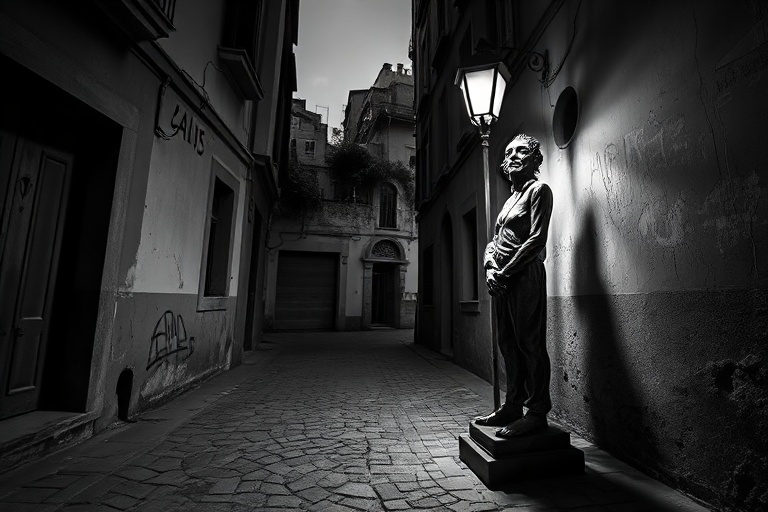
Pelourinho, a UNESCO World Heritage Site, is the crown jewel of Salvador’s colonial architecture. Cobblestone streets wind past pastel-colored buildings adorned with intricate azulejos (Portuguese tiles) and ornate church facades. The São Francisco Church and Convent, with its golden interior and elaborate carvings, is a must-visit. Nearby, the Igreja e Convento de Nossa Senhora do Carmo features a striking blue-and-white facade and a museum showcasing religious art.
Beyond the historic center, Salvador’s modern architecture reflects its growth into a contemporary metropolis. The coastal neighborhoods of Barra and Rio Vermelho boast sleek high-rises, upscale restaurants, and beachfront promenades. Meanwhile, the city’s favelas, such as Itapuã, offer a stark contrast with their vibrant street art and tightly knit communities, providing a glimpse into the daily lives of many Salvador residents.
Culinary Delights: A Feast for the Senses
Salvador’s cuisine is a reflection of its multicultural roots, blending African, Indigenous, and Portuguese influences into bold, flavorful dishes. The city is particularly famous for its seafood, with dishes like moqueca—Bahia’s signature fish stew—simmered in coconut milk, dendê oil, and peppers. Another staple is acarajé, a deep-fried black-eyed pea fritter stuffed with shrimp, vatapá (a creamy paste made from bread, coconut milk, and cashews), and spicy pepper sauce. This dish originated with the Yoruba people and is now sold by baianas (Afro-Brazilian women dressed in traditional white lace and turbans) on street corners throughout the city.
For those with a sweet tooth, Salvador offers treats like cocada (coconut candy) and quindim (a rich, egg-based dessert). The city’s markets, such as Mercado Modelo and Mercado de São Joaquim, are ideal places to sample these delicacies while browsing local crafts, spices, and artwork.
Where to Eat in Salvador
- Restaurante Yemanjá: A Pelourinho favorite specializing in Bahian cuisine, known for its moqueca and fresh seafood.
- Bar do França: A casual spot in Rio Vermelho serving some of the best acarajé in the city.
- Amado: A modern seafood restaurant by chef Felipe Bronze, offering innovative takes on traditional Bahian dishes.
A City of Beaches and Natural Beauty
Salvador’s coastline stretches for over 50 kilometers, offering a diverse range of beaches to suit every taste. Porto da Barra, located near the historic center, is one of the most popular, known for its calm waters and stunning views of the Bay of All Saints. Farol da Barra, a lighthouse built in the 17th century, marks the entrance to the bay and provides a scenic backdrop for sunset walks.
For a more secluded experience, Praia do Forte, about an hour north of Salvador, offers pristine sands and protected marine areas ideal for snorkeling. The beach is also home to the Projeto Tamar, a conservation initiative that protects endangered sea turtles. Further south, Praia de Stella Maris is a favorite among surfers and families, with gentle waves and beachfront kiosks serving cold drinks and fresh coconut water.
Beyond the beaches, Salvador’s natural attractions include the Dunas de Santo Amaro, a protected area of sand dunes perfect for hiking and paragliding. The city’s green spaces, such as Parque da Cidade and Jardim Botânico de Salvador, provide peaceful retreats from the urban hustle, offering hiking trails and wildlife spotting opportunities.
Conclusion: Why Salvador Stands Out
Salvador is a city of contrasts, where colonial history and contemporary culture coexist in harmony. Its Afro-Brazilian heritage infuses every aspect of life, from music and religion to cuisine and art. The city’s architecture tells a story of resilience and adaptation, while its beaches and natural landscapes offer a chance to unwind and connect with nature. Whether you’re exploring the cobbled streets of Pelourinho, dancing to the rhythms of a street samba group, or savoring a plate of moqueca by the sea, Salvador leaves a lasting impression.
For travelers seeking an authentic Brazilian experience, few cities compare. Salvador is not just a destination—it’s a celebration of culture, history, and life. Its energy is infectious, its soul is deep, and its beauty is undeniable. If you’re looking for a place where tradition meets modernity in the most vibrant way possible, Salvador awaits.
Plan your visit during carnival for the full experience, or explore the city’s quieter charms during the off-season. Either way, Salvador promises an unforgettable journey into the heart of Brazil.
For more travel inspiration, explore our Travel category, where we dive into