Storm vs Sun: How Weather Shapes Our Lives and Culture
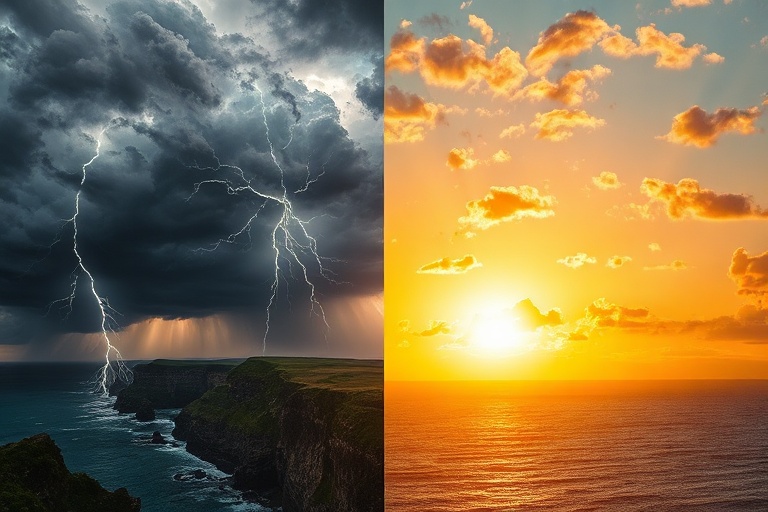
Weather isn’t just background noise—it’s an active force that rearranges our routines, moods, and even the stories we tell. Storms and sunshine represent more than just meteorological conditions; they symbolize chaos and order, disruption and renewal. The contrast between these two weather phenomena reveals how deeply climate influences human behavior, creativity, and societal structures.
The Psychological Weight of Storms and Sunshine
Storms carry an undeniable psychological presence. The rumble of thunder, the flash of lightning, and the howl of wind create a primal tension that grips the human psyche. Studies in environmental psychology suggest that stormy weather can heighten anxiety, reduce productivity, and even alter sleep patterns. People often report feeling more introspective or restless during prolonged periods of overcast skies and heavy rain.
Sunshine, on the other hand, tends to elevate moods and encourage social interaction. Sunlight triggers the release of serotonin, a neurotransmitter associated with feelings of well-being and focus. This explains why sunny days often see a surge in outdoor activities, tourism, and spontaneous gatherings. The warmth of the sun doesn’t just brighten the sky—it brightens human connections.
Key Differences in Human Behavior
- Productivity: Storms can disrupt workflows, forcing cancellations and delays, while sunshine often boosts outdoor productivity and creativity.
- Social Activity: Sunny weather encourages people to leave their homes, leading to crowded parks, beaches, and public spaces. Storms push social interactions indoors or cancel them entirely.
- Risk Perception: Storms heighten awareness of danger, making people more cautious. Sunshine, conversely, can lead to riskier behavior, such as driving faster or spending more time in remote areas.
- Cultural Expression: Storms frequently appear in art and literature as metaphors for turmoil or transformation, while sunshine is often linked to hope, joy, and new beginnings.
Storms as Catalysts for Change
Storms aren’t just destructive—they’re transformative. Natural disasters force communities to rebuild, adapt, and rethink infrastructure. The aftermath of a hurricane or tornado often reveals vulnerabilities in urban planning, emergency response systems, and social support networks. These events push societies to innovate, whether through stronger building codes, advanced warning systems, or community resilience programs.
Historically, storms have reshaped economies and cultures. The Great Galveston Hurricane of 1900, for example, led to the construction of a seawall and the eventual rise of Houston as a major port city. Similarly, the Dust Bowl of the 1930s forced millions of Americans to migrate, altering the demographic and economic landscape of the Midwest and West.
Lessons from Extreme Weather Events
Extreme weather events serve as real-world stress tests for societies. They expose inequalities, as marginalized communities often bear the brunt of climate-related disasters due to inadequate resources or infrastructure. The disproportionate impact of storms on low-income neighborhoods highlights the need for equitable urban planning and disaster preparedness.
Moreover, storms challenge our relationship with nature. As climate change intensifies, the frequency and severity of these events are expected to increase. This reality demands a shift in how we design cities, manage resources, and prepare for the future. Cities like Rotterdam and Copenhagen have already begun implementing “climate-proofing” strategies, such as floating neighborhoods and underground flood storage systems, to mitigate storm risks.
Sunshine as a Cultural and Economic Driver
Sunshine isn’t just a mood enhancer—it’s an economic engine. The tourism industry thrives in sunny climates, with destinations like Miami, Barcelona, and Bali relying on predictable weather to attract visitors. Outdoor recreation, from hiking to beachgoing, generates billions in revenue annually. Even agriculture benefits from consistent sunlight, as crops like citrus fruits and grapes depend on ample sunshine to flourish.
Culturally, sunshine is often romanticized as a symbol of freedom and possibility. Films, music, and literature frequently depict sunny landscapes as places of adventure and self-discovery. Think of the golden-hour cinematography in classic Westerns or the sun-drenched imagery in Mediterranean travel advertisements. Sunshine sells a lifestyle—one of leisure, exploration, and optimism.
The Dark Side of Sunshine
Yet sunshine isn’t without its drawbacks. Prolonged exposure to ultraviolet rays increases the risk of skin cancer, cataracts, and premature aging. Urban areas with intense sunlight often face higher energy demands for cooling, leading to increased carbon emissions. Additionally, regions that rely heavily on tourism can suffer during periods of extreme heat, as visitors avoid destinations perceived as too hot or uncomfortable.
Environmental concerns also arise from excessive sunshine in certain contexts. For example, drought-prone areas like California and Australia face water shortages exacerbated by prolonged periods of high temperatures. These conditions strain local ecosystems and force communities to rethink water conservation strategies.
The Broader Implications: Climate, Culture, and Survival
The interplay between storms and sunshine extends beyond individual experiences—it reflects broader climate patterns and their global impact. Climate change is amplifying the extremes: storms are becoming more intense, while heatwaves and droughts are growing longer and more severe. This shift forces us to confront urgent questions about adaptation, resilience, and sustainability.
Culturally, the contrast between storms and sunshine mirrors societal attitudes toward risk and reward. Storms force us to confront vulnerability, while sunshine offers a fleeting escape from reality. Both conditions shape our collective imagination, influencing everything from the stories we tell to the policies we implement.
As we move forward, understanding the duality of storms and sunshine becomes essential. It’s not just about preparing for disasters or basking in good weather—it’s about recognizing how deeply connected we are to the natural world. Our responses to these weather phenomena will define how we build resilient communities, protect vulnerable populations, and preserve the environments we depend on.
Looking Ahead: Preparing for a Changing Climate
The future of weather—and its impact on humanity—will be shaped by our actions today. Investing in renewable energy, improving infrastructure, and fostering global cooperation are critical steps in mitigating the worst effects of climate change. At the same time, we must adapt to the realities of a warming planet, from designing flood-resistant buildings to creating heat-resilient urban spaces.
Ultimately, storms and sunshine are more than just weather events. They are reminders of nature’s power and unpredictability. By studying their effects on our lives, economies, and cultures, we gain valuable insights into how to thrive in an era of environmental change. The challenge isn’t just to survive the storm—it’s to harness the lessons it teaches us and build a future where both storms and sunshine can coexist with humanity.
For more insights into how weather shapes our world, explore our Nature and Science sections on Dave’s Locker.