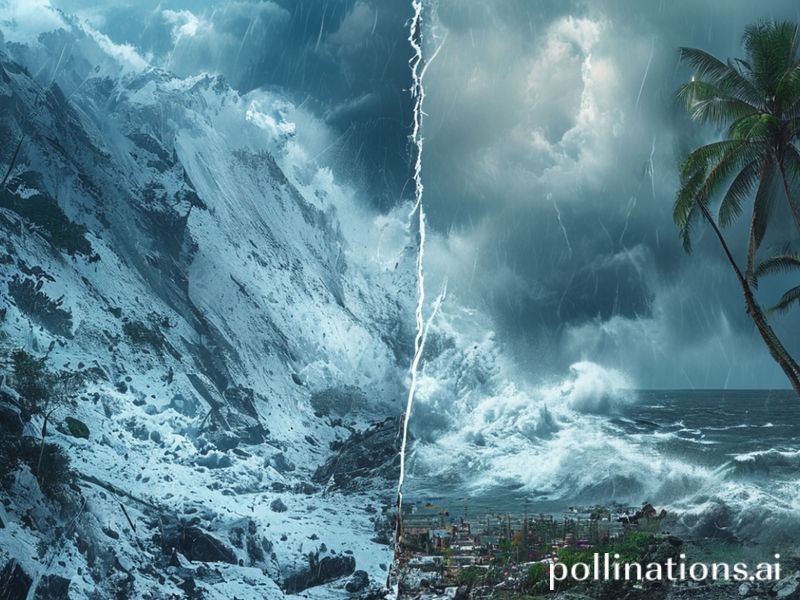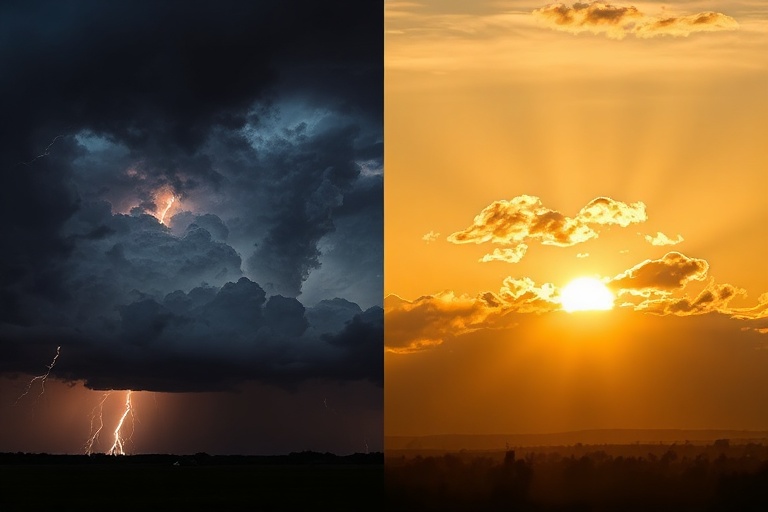
The contrast between storm and sun represents one of nature’s most dramatic dualities. These opposing forces shape weather patterns, influence ecosystems, and even affect human culture. While storms bring destruction and renewal, sunlight sustains life and defines climate zones. Understanding their interaction offers insights into meteorology, ecology, and environmental science.
Historically, civilizations have personified these forces—ancient cultures worshipped sun gods while fearing storm deities. Modern science reveals their interconnectedness: solar radiation drives weather systems that produce storms. This article explores their characteristics, impacts, and the delicate balance between these natural phenomena.
Defining the Forces: Characteristics of Storm and Sun
Storms manifest as atmospheric disturbances with varying intensity. Thunderstorms generate lightning, heavy rain, and sometimes hail or tornadoes. Tropical cyclones—known as hurricanes, typhoons, or cyclones depending on location—combine high winds with torrential downpours. Winter storms bring snow, ice, and subzero temperatures. Each type follows distinct formation patterns based on temperature gradients and moisture availability.
Sunlight, by contrast, represents the electromagnetic radiation emitted by our star. Visible light constitutes a small portion of the solar spectrum, alongside ultraviolet and infrared radiation. The sun’s energy drives Earth’s climate system, creating temperature differentials that generate wind and weather. Solar radiation also powers photosynthesis, the foundation of most terrestrial food chains.
These forces operate on different timescales. Storms develop over hours or days, while solar cycles span decades. The sun’s 11-year activity cycle influences space weather, potentially affecting storm formation through charged particles interacting with Earth’s magnetosphere. This temporal mismatch creates complex, often unpredictable interactions between the two phenomena.
The Visible Impacts: Environmental and Human Consequences
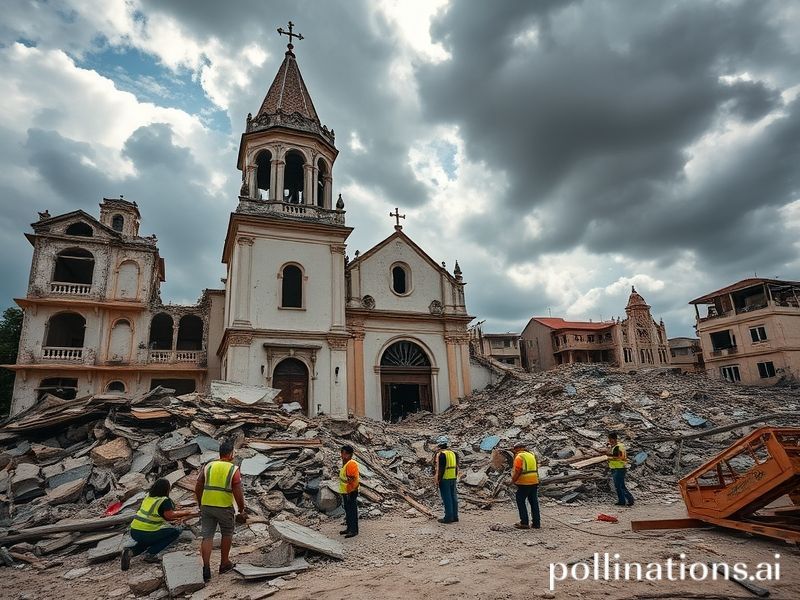
Storms reshape landscapes through erosion, flooding, and wind damage. Coastal regions face storm surges that inundate cities, while inland areas suffer from flash floods and landslides. The 2022 Pakistan floods displaced millions and submerged a third of the country, demonstrating storms’ devastating potential. Conversely, drought-prone regions view storms as vital water sources, though excessive rainfall can also cause agricultural losses.
Sunlight’s effects appear more gradual but equally profound. Without sufficient solar radiation, regions experience energy deficits that affect crop yields and human health. Seasonal Affective Disorder (SAD) demonstrates sunlight’s psychological impact during winter months in high-latitude areas. Conversely, excessive sun exposure leads to heatwaves that threaten vulnerable populations, as seen in Europe’s 2022 summer mortality crisis.
Ecosystems adapt to these extremes through remarkable strategies. Desert plants like cacti conserve water during sun-dominated periods, then capitalize on brief storm seasons for growth. Some species time reproduction to coincide with post-storm conditions when resources become abundant. These adaptations highlight nature’s resilience in balancing opposing forces.
Urban Planning in Storm and Sun Conditions
Modern cities must account for both phenomena in their design. Stormwater management systems prevent flooding during heavy rainfall, while green roofs and reflective surfaces mitigate urban heat islands. Solar panel placement requires consideration of storm winds and hail resistance, as well as optimal sun exposure angles.
Architectural solutions vary by climate. In storm-prone regions like Florida, buildings incorporate hurricane-resistant materials and elevated foundations. Desert cities like Dubai use sun-shading devices and reflective glass to reduce cooling costs. These adaptations demonstrate human ingenuity in responding to nature’s extremes.
Cultural Representations and Symbolism
Throughout history, storms and sunlight have carried deep symbolic meaning. Ancient Norse mythology featured Thor, god of thunderstorms, while the Greek Helios personified the sun. These deities reflected humanity’s awe and fear of natural forces beyond control.
In contemporary culture, storms often represent turmoil or change. Films like The Perfect Storm (2000) and Twister (1996) dramatize nature’s power, while songs like Fleetwood Mac’s “Stormy Weather” use meteorological imagery to convey emotional distress. Sunlight typically symbolizes hope, clarity, or renewal—evident in phrases like “sunny disposition” or “light at the end of the tunnel.”
Visual arts frequently juxtapose these elements. Baroque paintings often featured dramatic storm clouds breaking to reveal divine light, symbolizing revelation or judgment. Modern photography captures sunbeams piercing storm clouds, creating ethereal scenes that blend destruction with beauty. These representations reflect humanity’s complex relationship with nature’s extremes.
Monitoring and Predicting Nature’s Moods
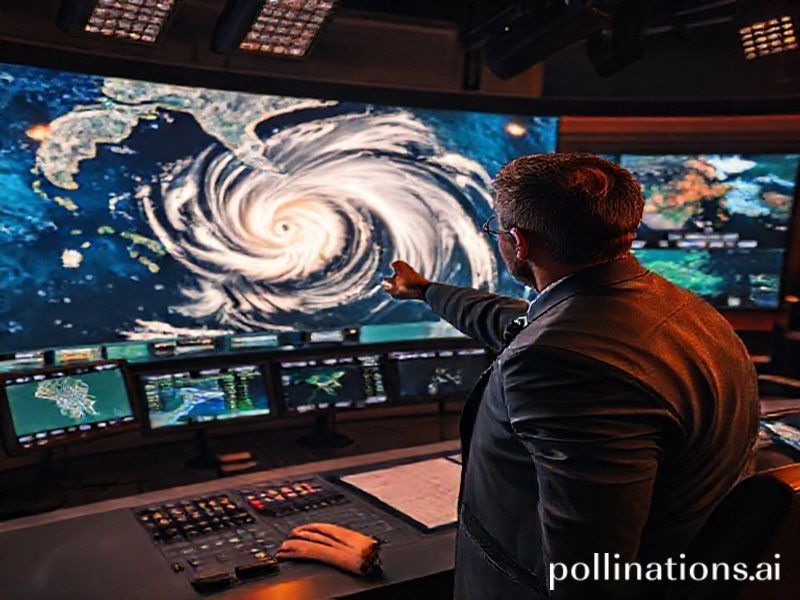
Advancements in technology have improved our ability to track and predict storm behavior. Weather satellites provide real-time data on cloud formations, temperature gradients, and atmospheric pressure. Doppler radar systems measure precipitation intensity and wind speeds, enabling more accurate forecasts. Hurricane hunters fly directly into storms to gather critical data on pressure and wind patterns.
Solar observation has also progressed significantly. NASA’s Solar Dynamics Observatory continuously monitors the sun’s surface and corona, tracking sunspots and solar flares. These observations help predict space weather events that can disrupt power grids and communication systems. The Science category on Dave’s Locker covers these technological developments in depth.
Predicting the interaction between storms and sunlight remains challenging. Research focuses on understanding how solar radiation influences cloud formation and storm intensity. Some studies suggest that increased solar activity may correlate with more frequent tropical cyclones, though this relationship requires further investigation. Improved climate models aim to integrate these factors for more comprehensive forecasting.
Citizen Science Contributions
Amateur meteorologists play a crucial role in data collection. Projects like the Community Collaborative Rain, Hail and Snow Network (CoCoRaHS) rely on volunteers to report precipitation measurements. These efforts supplement professional networks, particularly in rural areas with limited monitoring stations. Similarly, amateur astronomers contribute to solar observation through organizations like the American Association of Variable Star Observers (AAVSO).
These citizen science initiatives bridge gaps in professional monitoring while fostering public engagement with weather and solar phenomena. They demonstrate how individual observations contribute to our collective understanding of these natural forces.
Preparing for Nature’s Extremes
As climate change intensifies both storms and heatwaves, preparation becomes increasingly critical. The World Meteorological Organization reports that weather-related disasters have increased fivefold over the past 50 years. This trend underscores the need for improved infrastructure, early warning systems, and community resilience strategies.
Individual preparedness varies by location and risk factors. Coastal residents should develop evacuation plans for hurricanes, while inland populations may need to prepare for severe thunderstorms or blizzards. Urban dwellers face different challenges, from heat island effects to flash flooding in poorly drained areas. The Health category offers guidance on protecting vulnerable populations during extreme weather events.
Solar protection requires different strategies. UV radiation increases with altitude and proximity to the equator, necessitating appropriate clothing and sunscreen. Heatwaves demand hydration and cooling strategies, particularly for outdoor workers and elderly populations. These measures highlight the importance of tailored responses to specific environmental threats.
Community resilience depends on both individual actions and systemic solutions. Effective emergency management requires coordination between local governments, meteorological services, and public health agencies. Investments in resilient infrastructure—such as flood barriers, heat-resistant building materials, and renewable energy systems—can reduce long-term vulnerabilities.
Educational Initiatives
School programs and public awareness campaigns play vital roles in preparation. The National Oceanic and Atmospheric Administration (NOAA) offers educational resources on weather safety through its Weather-Ready Nation initiative. These programs teach students about storm recognition, emergency procedures, and the science behind weather phenomena. Similar initiatives focus on solar safety, particularly regarding UV exposure and heat-related illnesses.
Technology also enables innovative preparedness solutions. Mobile apps provide real-time weather alerts and emergency notifications. Smart home devices can automatically adjust thermostats during heatwaves or activate backup power systems during storms. These tools empower individuals to respond effectively to environmental challenges.
Conclusion: Finding Balance in Nature’s Extremes
The interplay between storm and sun defines Earth’s climate system and shapes life on our planet. While storms test humanity’s resilience through sudden, violent disruption, sunlight sustains life through gradual, nourishing energy. Both forces demand respect and preparation, yet neither can be fully controlled or eliminated.
Understanding their characteristics and impacts enables better decision-making in urban planning, agriculture, and emergency management. As climate change alters weather patterns and increases the frequency of extreme events, this knowledge becomes increasingly valuable. The goal isn’t to conquer these natural forces but to coexist with them more intelligently and sustainably.
Ultimately, storms and sunlight remind us of nature’s dual nature—both destructive and life-giving. By studying their interactions, we gain insights into Earth’s complex systems and our place within them. This awareness fosters both humility in the face of nature’s power and determination to protect our communities and ecosystems.