The air we breathe is often taken for granted despite being essential to survival. Yet, air quality varies dramatically across regions, seasons, and even hours of the day. Recent studies highlight that poor air quality contributes to millions of premature deaths annually, making it a critical public health issue. While urban areas frequently dominate discussions about air pollution, rural regions face their own challenges, from agricultural emissions to wildfire smoke drifting hundreds of miles away.
The Science Behind Air Quality
Air quality refers to the cleanliness of the air around us, determined by the concentration of pollutants. These pollutants include particulate matter (PM2.5 and PM10), nitrogen oxides (NOx), sulfur dioxide (SO2), carbon monoxide (CO), and ground-level ozone (O3). The Environmental Protection Agency (EPA) and World Health Organization (WHO) set guidelines to measure these pollutants and assess their health impacts.
Air quality is commonly measured using the Air Quality Index (AQI), which ranges from 0 to 500. A higher AQI indicates greater pollution levels and potential health risks. The index categorizes air quality into six levels: Good (0-50), Moderate (51-100), Unhealthy for Sensitive Groups (101-150), Unhealthy (151-200), Very Unhealthy (201-300), and Hazardous (301-500).
While major cities often receive attention for high AQI readings, smaller towns and natural landscapes are not immune. For example, areas near wildfires or industrial facilities can experience sudden spikes in pollution. Moreover, indoor air quality can be just as concerning, with pollutants like radon, mold, and volatile organic compounds (VOCs) posing risks behind closed doors.
Key Factors Affecting Air Quality
Several interconnected factors influence air quality, ranging from human activities to natural phenomena. Understanding these drivers is essential to addressing pollution at its source.
- Industrial Emissions: Factories and power plants release large quantities of pollutants, particularly in regions with lax environmental regulations. Transitioning to cleaner energy sources and enforcing stricter emissions standards can mitigate this impact.
- Vehicle Exhaust: Cars, trucks, and buses are major contributors to NOx and CO emissions, especially in densely populated cities. The rise of electric vehicles (EVs) offers a promising solution, though adoption rates vary globally.
- Wildfires: Climate change has intensified wildfire seasons, releasing vast amounts of particulate matter and CO2 into the atmosphere. These fires not only degrade local air quality but can also affect regions thousands of miles away.
- Agricultural Practices: The burning of crop residue and the use of certain fertilizers release ammonia and other pollutants. Sustainable farming techniques, such as precision agriculture, can reduce these emissions.
- Weather Patterns: Wind, temperature inversions, and humidity influence how pollutants disperse. For instance, temperature inversions trap pollutants close to the ground, worsening air quality in valleys and basins.
The Broader Implications of Poor Air Quality
Beyond immediate health risks, air pollution has far-reaching consequences that ripple through economies, ecosystems, and social structures. One of the most pressing concerns is its impact on public health. According to the WHO, exposure to fine particulate matter (PM2.5) causes approximately 7 million premature deaths annually. These deaths result from respiratory diseases, heart conditions, strokes, and lung cancer, among other ailments. Vulnerable populations, such as children, the elderly, and those with preexisting conditions, are particularly susceptible.
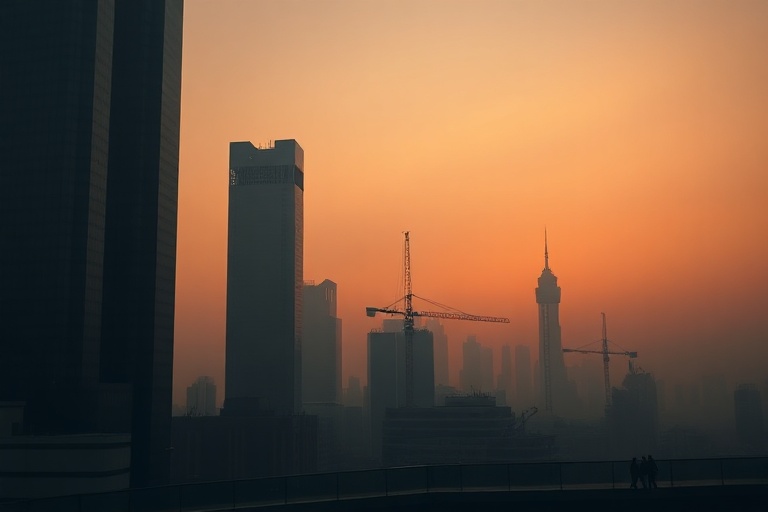
Air pollution also exacts a significant economic toll. The World Bank estimates that the global cost of air pollution amounts to trillions of dollars annually in healthcare expenses and lost productivity. In cities like Delhi, Beijing, and Los Angeles, poor air quality has led to increased absenteeism, reduced tourism, and higher healthcare costs. Businesses operating in polluted areas may also face challenges attracting talent and maintaining operational efficiency.
Environmental degradation is another critical concern. Pollutants like sulfur dioxide and nitrogen oxides contribute to acid rain, which harms forests, soils, and aquatic ecosystems. Ground-level ozone damages crops and vegetation, reducing agricultural yields and threatening food security. Additionally, black carbon, a component of soot, accelerates glacial melt when deposited on ice surfaces, further exacerbating climate change.
Social equity plays a role as well. Low-income communities and marginalized groups often bear the brunt of air pollution due to their proximity to highways, industrial zones, and waste disposal sites. This environmental injustice highlights the need for policies that address both pollution reduction and equitable resource distribution.
What Can Be Done? Solutions and Advocacy
Addressing air quality requires a multifaceted approach involving governments, industries, communities, and individuals. Here are some actionable steps that can drive meaningful change:
- Policy and Regulation: Governments must enforce stricter emissions standards for industries and vehicles. Investing in public transportation and promoting electric vehicles can significantly reduce pollution. International agreements, such as the Paris Climate Accord, also play a crucial role in coordinating global efforts.
- Technological Innovation: Advances in air purification technology, such as HEPA filters and electrostatic precipitators, can improve indoor air quality. Meanwhile, innovations in renewable energy, such as solar and wind power, offer cleaner alternatives to fossil fuels.
- Community Action: Grassroots movements can raise awareness and pressure policymakers to prioritize air quality. Planting trees, reducing waste, and supporting local clean energy initiatives are tangible ways individuals can contribute.
- Personal Habits: Simple changes, such as reducing car usage, avoiding open burning, and using energy-efficient appliances, can lower individual pollution footprints. Monitoring indoor air quality with affordable sensors also empowers people to take control of their environments.
For those interested in staying informed about environmental policies and innovations, Science and Technology sections on Dave’s Locker provide in-depth coverage of these topics. These resources offer insights into the latest research and breakthroughs shaping our understanding of air quality and its solutions.
Looking Ahead: A Breath of Fresh Air
The path to cleaner air is complex but not insurmountable. Cities like Stockholm and Copenhagen have demonstrated that proactive policies, public engagement, and technological advancements can lead to remarkable improvements in air quality. Stockholm, for instance, has reduced its PM10 levels by nearly 50% over the past decade through traffic restrictions and street cleaning innovations. Similarly, Copenhagen aims to become carbon-neutral by 2025, with air quality improvements as a key component of its sustainability goals.
Yet, challenges remain. Rapid urbanization, industrial expansion, and climate change continue to strain air quality worldwide. The COVID-19 pandemic offered a brief glimpse into the potential benefits of reduced emissions, as lockdowns led to temporary improvements in air quality in many cities. However, these gains were short-lived as economies reopened and emissions rebounded.
Ultimately, achieving sustainable air quality requires collective action and long-term commitment. By prioritizing clean energy, enforcing regulations, and fostering community engagement, societies can create healthier environments for current and future generations. The air we breathe is not just an environmental issue—it is a fundamental human right, and its protection should be at the forefront of global priorities.
For more insights into environmental health and technological advancements, explore the Science and Health categories on Dave’s Locker. These sections delve into the science behind pollution and the innovations driving solutions.