Nestled in the Emilia-Romagna region of northern Italy, Reggio Emilia is a city that often flies under the radar despite its rich history and vibrant modern culture. Unlike its more tourist-heavy neighbors like Bologna or Modena, Reggio Emilia offers an authentic slice of Italian life, where centuries-old traditions blend seamlessly with contemporary creativity. From its UNESCO-recognized educational philosophy to its thriving culinary scene, this city is a destination worth exploring for those who seek depth beyond the usual tourist trail.
A City Shaped by History and Innovation
Reggio Emilia’s origins stretch back to the Roman era, but its most defining chapter began in the post-World War II years. The city became the birthplace of the Reggio Emilia Approach, an educational philosophy that prioritizes child-led learning, artistic expression, and community involvement. This method, developed in the 1940s by educators like Loris Malaguzzi, challenged conventional teaching models by positioning children as active participants in their own education. Today, the Reggio Emilia Approach is studied and implemented worldwide, influencing schools from the United States to Japan.
The city’s commitment to innovation isn’t limited to education. Reggio Emilia has also emerged as a hub for contemporary art and design. The Lorella Bertani Contemporary Art Center and the Palazzo Magnani host exhibitions that push creative boundaries, while local workshops collaborate with international artists to foster cross-cultural dialogue. This blend of tradition and forward-thinking mentality gives Reggio Emilia a dynamic, almost paradoxical energy—one where medieval towers stand alongside avant-garde galleries.
Key Aspects of Reggio Emilia’s Cultural Identity
- UNESCO Recognition: The Reggio Emilia Approach is part of the UNESCO Intangible Cultural Heritage list, underscoring its global impact on early childhood education.
- Artistic Heritage: The city’s museums and galleries preserve both classical and modern works, reflecting its long-standing artistic legacy.
- Culinary Excellence: Reggio Emilia is the birthplace of parmigiano reggiano and aceto balsamico tradizionale, two of Italy’s most celebrated food products.
- Community-Driven Initiatives: Local projects, such as urban gardens and public art installations, emphasize citizen participation in shaping the city’s future.
The Reggio Emilia Approach: A Global Educational Revolution
The Reggio Emilia Approach didn’t just stay within Italy’s borders—it sparked a worldwide movement. In the 1960s and 70s, educators from around the globe began visiting Reggio Emilia to study its schools, often called scuole dell’infanzia. What they found was a system that treated children not as passive recipients of knowledge but as capable, curious individuals with their own ideas and perspectives.
At the heart of this approach is the “pedagogy of relationships,” which views learning as a collaborative process. Classrooms are designed to encourage exploration, with natural light, open spaces, and carefully curated materials that inspire creativity. Teachers act as facilitators rather than instructors, guiding children through projects that emerge from their interests. For example, a group of preschoolers fascinated by shadows might spend weeks experimenting with light and projection, documenting their findings through drawing, photography, and discussion.
Critics argue that the Reggio Emilia Approach can be difficult to scale, as it requires significant resources and highly trained educators. However, its influence persists in alternative education models, such as Montessori and project-based learning. In an era where standardized testing dominates many educational systems, Reggio Emilia’s emphasis on holistic development feels increasingly radical—and necessary.
Beyond Education: Reggio Emilia’s Cultural and Culinary Delights
While the Reggio Emilia Approach might be the city’s most famous export, it’s far from the only reason to visit. The city’s culinary scene is a testament to its deep-rooted traditions. Reggio Emilia is part of the Parmigiano Reggiano Dairy Consortium, and a visit to a local cheese factory offers a firsthand look at the painstaking process of crafting the iconic cheese. Similarly, the Acetaia Giusti, one of the oldest balsamic vinegar producers in the region, provides tastings that reveal the complexity of this revered condiment.
For those interested in history, the Basilica della Ghiara stands as a masterpiece of Baroque architecture, adorned with frescoes by Guido Reni and other renowned artists. The city’s historic center, with its medieval towers and Renaissance palaces, offers a quiet counterpoint to the bustling markets of Bologna. Meanwhile, the Museo della Città delves into Reggio Emilia’s past, from its Roman foundations to its role in the Italian unification movement.
Reggio Emilia also hosts several festivals that showcase its vibrant cultural life. The Festival della Filosofia, held annually in nearby Modena and Sassuolo, often features events in Reggio Emilia that explore the intersection of philosophy and everyday life. The Reggio Emilia Film Festival celebrates independent cinema, drawing filmmakers and cinephiles from across Europe.
Why Reggio Emilia Matters in Today’s World
The lessons of Reggio Emilia extend far beyond education and tourism. In an age dominated by digital distractions and rigid academic structures, the city’s approach to learning offers a refreshing alternative. It challenges the notion that success is measured solely by test scores or career readiness, instead valuing creativity, empathy, and adaptability. As societies grapple with the consequences of standardized education, Reggio Emilia serves as a reminder that innovation often thrives in unexpected places.
Moreover, Reggio Emilia’s emphasis on community and collaboration reflects broader societal needs. In a world increasingly divided by political and social tensions, the city’s model of inclusive, participatory decision-making provides a blueprint for fostering connection. Whether through its educational philosophy or its grassroots cultural initiatives, Reggio Emilia demonstrates how small-scale, human-centered solutions can have a profound impact.
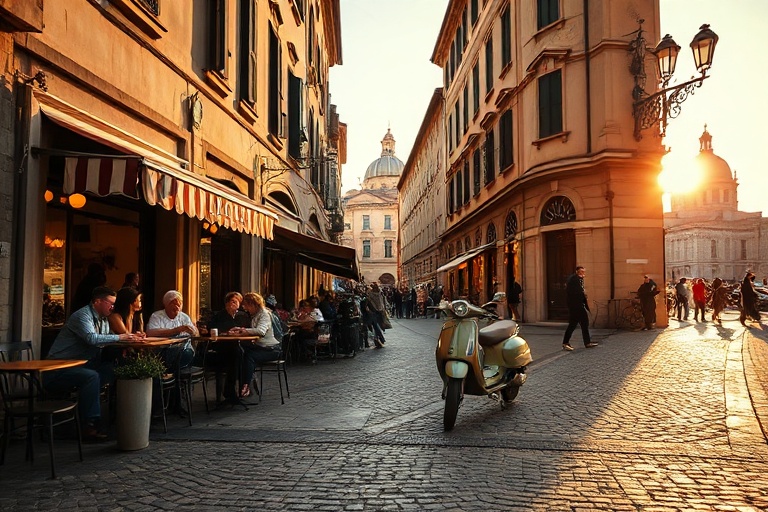
For travelers, Reggio Emilia offers something rare: an authentic experience that doesn’t rely on mass tourism. It’s a place where history and modernity coexist, where art and education intertwine, and where every cobblestone street feels like a step back in time. It’s not just a destination; it’s an invitation to rethink what a city—and a life—can be.
A Final Thought
Reggio Emilia may not have the international fame of Venice or Florence, but its influence is undeniable. By prioritizing creativity, community, and lifelong learning, it has carved out a unique identity in the cultural landscape of Italy and beyond. For those willing to venture off the beaten path, it offers a journey worth taking—one that leaves not just memories, but a lasting impression on how we view the world.