By Alex Carter | Published
The Origins of Luna Springs
Nestled in the foothills of the Cascade Mountains, Luna Springs emerged from a modest beginning as a family-owned trout farm in the late 1970s. The property, originally spanning just 40 acres, was purchased by the Carter family with a simple vision: to cultivate a sustainable water source for local agriculture. However, it wasn’t long before the pristine waters revealed an unexpected potential.
By the early 1980s, the Carters began stocking the ponds with rainbow and brown trout, catering to a small but loyal group of anglers from nearby towns. Word of the clear, cold waters and healthy fish population spread slowly, primarily through local fishing clubs and word-of-mouth. Unlike the crowded, commercialized fishing destinations popping up elsewhere, Luna Springs maintained a low-key, almost secretive allure. Its remote location—roughly two hours from the nearest major city—ensured that only those in the know would make the trek.
The turning point came in 1995 when the Carters decided to expand the operation, adding guided fly-fishing tours and a small lodge to accommodate overnight guests. This shift transformed Luna Springs from a hidden gem into a destination for dedicated anglers seeking an authentic experience. Today, the property has grown to over 200 acres, with seven spring-fed ponds and a catch-and-release policy that prioritizes conservation over quantity.
What Makes Luna Springs Stand Out
Luna Springs’ reputation rests on three pillars: water quality, fish health, and sustainability. Unlike many fishing destinations that rely on hatcheries or stocking programs, Luna Springs’ waters are entirely spring-fed, ensuring a consistent temperature and oxygen level year-round. This natural environment allows trout to thrive without the stress of artificial conditions, resulting in fish that are not only healthier but also more challenging for anglers.
The facility’s commitment to sustainability is evident in its practices. The ponds are aerated using solar-powered systems, and the lodge operates on a closed-loop water recycling system. Even the food served at the on-site restaurant is locally sourced, with a focus on farm-to-table ingredients that align with the property’s eco-conscious ethos. These efforts have earned Luna Springs certifications from multiple environmental organizations, including the Conservation Alliance.
Anglers who visit Luna Springs often highlight the personalized experience. Guides are not just instructors; they are local experts who understand the nuances of the waters and the behavior of the fish. Whether you’re a novice learning the basics of fly-fishing or a seasoned pro refining your technique, the guides tailor each outing to the individual’s skill level. This level of service is rare in today’s mass-market fishing destinations, where efficiency often trumps personalization.
A Typical Day at Luna Springs
A visit to Luna Springs unfolds like a retreat rather than a typical fishing trip. The day begins with a hearty breakfast at the lodge’s dining hall, where guests are greeted by the scent of freshly brewed coffee and homemade biscuits. After a briefing from your guide, you’re outfitted with gear and led to one of the ponds, where the real work begins.
Unlike typical fishing spots where anglers might cast blindly, Luna Springs employs a strategy that mimics natural feeding patterns. Guides use dry flies in the morning and switch to nymphs in the afternoon, adjusting based on the trout’s behavior. The ponds are designed with varying depths and structures, from shallow riffles to deeper pools, providing diverse environments for different fishing techniques.
By midday, guests often return to the lodge for lunch, where they swap stories and compare catches over sandwiches made with ingredients from the property’s garden. The afternoons are reserved for relaxation or additional fishing, with the option to explore nearby hiking trails or simply unwind on the lodge’s deck overlooking the water.
The Community Around Luna Springs
Luna Springs’ influence extends beyond its ponds. The Carter family has long been invested in the surrounding community, partnering with local schools to offer environmental education programs. These initiatives teach students about watershed conservation, the lifecycle of trout, and the importance of sustainable practices. The lodge also hosts annual fishing clinics for veterans and people with disabilities, providing an inclusive space for all anglers to enjoy the sport.
The property’s growth has had a ripple effect on the local economy. Nearby businesses, from bait shops to restaurants, have seen increased traffic thanks to Luna Springs’ reputation. The town of Cedar Ridge, population 1,200, has become a popular stop for visitors who want to explore beyond the lodge. Local artisans sell handmade fishing flies and wooden lures, while cafes and pubs cater to the influx of guests. This symbiotic relationship has turned Luna Springs into an economic driver for the region, proving that sustainable tourism can be a force for good.
Challenges and Controversies
Despite its success, Luna Springs has not been without its challenges. In 2018, the property faced opposition from a group of developers who proposed building a luxury resort nearby, citing concerns about water usage and environmental impact. The Carters, along with conservation groups, rallied local support to oppose the project, arguing that Luna Springs’ model was a better fit for the region. The controversy drew attention from state regulators, and after a year of hearings, the developers withdrew their plans. The victory was a testament to the community’s commitment to preserving the area’s natural beauty.
Another ongoing debate revolves around the catch-and-release policy. Some anglers argue that the policy limits their ability to take home a trophy fish, while others appreciate the ethical approach to fishing. The Carters have held firm on their stance, emphasizing that the policy ensures the long-term health of the trout population. This decision has earned them both praise and criticism, but it remains a cornerstone of Luna Springs’ identity.
Why Luna Springs Matters in Today’s Fishing Landscape
In an era where many outdoor destinations are becoming increasingly commercialized, Luna Springs offers a refreshing alternative. Its focus on sustainability, conservation, and personalized experiences sets a standard for what a modern fishing destination should be. For anglers tired of crowded, impersonal resorts, Luna Springs provides a sanctuary where the rhythm of the water and the thrill of the catch take center stage.
The rise of social media has also played a role in Luna Springs’ growing popularity. While the property has avoided aggressive marketing, guests often share their experiences online, posting photos of their catches and the serene surroundings. This organic promotion has introduced Luna Springs to a global audience, particularly among younger anglers who value authenticity over flashy amenities. The lodge’s Instagram account, managed by the Carter family’s youngest daughter, has become a hub for tips, stories, and stunning landscape shots that showcase the property’s beauty.
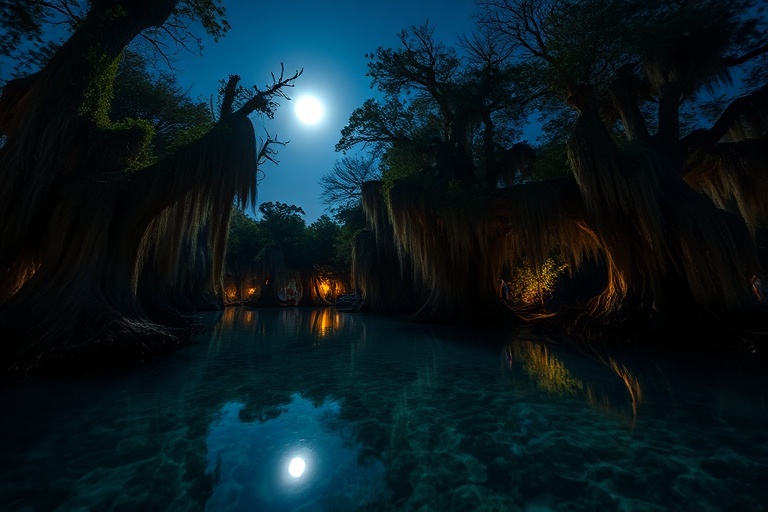
Looking ahead, Luna Springs shows no signs of slowing down. Plans are in the works to expand the guided fishing program to include night fishing, capitalizing on the trout’s nocturnal feeding habits. There are also discussions about partnering with universities to conduct research on the ecological impact of spring-fed fisheries. These initiatives reflect the Carters’ dedication to evolving while staying true to their roots.
What the Future Holds
The next decade will be pivotal for Luna Springs. As climate change threatens water resources worldwide, the property’s spring-fed system offers a model for resilience. The Carters are exploring ways to reduce their carbon footprint further, including transitioning to all-electric vehicles for guest transport and installing more renewable energy sources. They are also considering a mentorship program to train the next generation of fly-fishing guides, ensuring that the tradition of personalized service continues.
For those who visit Luna Springs, the experience is more than just a fishing trip—it’s a reminder of what happens when passion aligns with purpose. The Carters didn’t set out to create a business empire; they wanted to share a place they loved with others who appreciated it just as much. In doing so, they’ve crafted something rare: a destination that feels both timeless and forward-thinking.
Final Thoughts: Luna Springs is more than a fishing destination; it’s a testament to the power of sustainability, community, and passion. Whether you’re an angler chasing the perfect catch or a traveler seeking a peaceful retreat, the quiet waters of Luna Springs offer an experience that’s hard to find elsewhere. As the property continues to grow and adapt, its core values remain unchanged—a commitment to the land, the water, and the people who cherish them.
For more on sustainable fishing practices, visit our Conservation category. To explore other unique outdoor destinations, check out our Travel section.