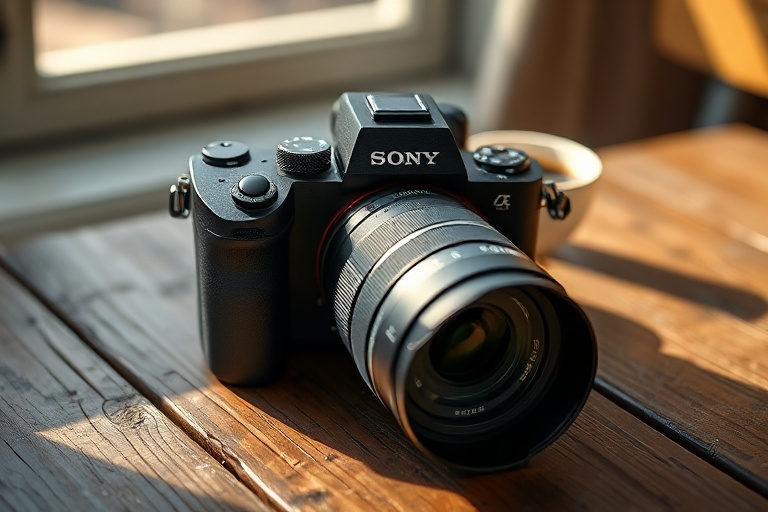
Sony A7R V Review: The Mirrorless Camera Changing Professional Photography
Sony’s latest flagship full-frame mirrorless camera, the A7R V, arrives not just as an incremental update but as a statement of intent. Designed for photographers and videographers who demand precision, flexibility, and cutting-edge technology, this camera pushes boundaries in resolution, autofocus, and workflow integration. With a 61-megapixel sensor and AI-driven features, the A7R V isn’t merely keeping pace with the industry—it’s actively shaping it.
A New Standard in Resolution and Detail
The heart of the A7R V is its 61MP full-frame CMOS sensor, a leap forward in resolution compared to its predecessor, the A7R IV. This sensor, paired with the BIONZ XR image processor, delivers unparalleled clarity, enabling photographers to capture intricate textures and subtle color gradations with ease. Whether shooting landscapes, portraits, or commercial assignments, the A7R V ensures every pixel counts.
Sony has also refined the camera’s dynamic range capabilities. With a base ISO of 100 and the ability to push to ISO 102,400, the A7R V handles low-light scenarios with remarkable composure. Shadow recovery is particularly impressive, allowing editors to pull detail from dark areas without introducing excessive noise. This makes it a favorite among wedding and event photographers who often face challenging lighting conditions.
Key Sensor and Image Quality Features
- 61MP full-frame Exmor R CMOS sensor: Delivers 9,504 x 6,336 pixel resolution with minimal moiré and false colors.
- BIONZ XR processor: Enhances speed and reduces noise, enabling high-speed continuous shooting at up to 10 fps with full AF/AE tracking.
- 15-stop dynamic range: Provides exceptional flexibility in post-processing, especially in high-contrast scenes.
- Improved color science: New algorithms offer more accurate skin tones and richer greens, aligning closer to professional grading standards.
AI-Powered Autofocus: Speed Meets Intelligence
Autofocus performance has long been a hallmark of Sony’s mirrorless cameras, and the A7R V takes it to another level with the integration of AI-driven subject recognition. Using deep learning technology trained on thousands of images, the camera can now identify and track a wider range of subjects—including humans, animals, birds, insects, and even vehicles—with remarkable accuracy.
The A7R V features 693 phase-detection AF points covering 72% of the frame, combined with 425 contrast-detection points. This dense coverage ensures sharp focus even in the most challenging compositions. The camera’s Real-time Tracking and Real-time Eye AF have been enhanced to work in low light and complex backgrounds, making it ideal for photojournalists and documentary filmmakers.
Video shooters also benefit from these advancements. The A7R V supports 8K 24p and 4K 120p recording, with full-pixel readout to minimize moiré and aliasing. The AI autofocus remains active during video capture, ensuring subjects stay in focus even during rapid movement. This makes the A7R V a strong contender in the hybrid camera market, appealing to creators who need stills and motion capabilities in one body.
Design, Build, and Practical Enhancements
The A7R V retains Sony’s signature mirrorless ergonomics but introduces several thoughtful refinements. The grip is deeper and more textured, improving handling during long shoots. The menu system has been overhauled for better navigation, with customizable My Menu tabs and a new Info Button that provides quick access to key settings.
Sony has also improved the camera’s connectivity options. Dual-band Wi-Fi, 5GHz support, and improved FTP transfer speeds make wireless workflows faster and more reliable. For studio and tethered shooting, the A7R V includes a 1000BASE-T Ethernet port, a rarity in mirrorless cameras but essential for professional workflows.
The viewfinder remains one of the best in the business—a 9.44 million-dot OLED unit with 0.90x magnification—offering a bright, clear, and lag-free shooting experience. The rear LCD is now a 3.2-inch touchscreen with 2.1 million dots, supporting touch focus, menu navigation, and playback.
Physical and Operational Improvements
- Enhanced weather sealing: Improved dust and moisture resistance allows for greater durability in harsh environments.
- Dual CFexpress Type A/SD card slots: Supports high-speed recording and backup, with flexible file allocation options.
- New shutter mechanism: Quieter operation and reduced rolling shutter artifacts in fast motion scenarios.
- Improved battery life: CIPA-rated for approximately 530 shots per charge, a modest but meaningful upgrade.
Broader Implications for the Photography Industry
The release of the A7R V is more than a product launch—it reflects a broader shift in the photography and videography landscape. As hybrid creators become the norm, cameras like the A7R V are no longer optional but essential. Professionals increasingly require a single tool that excels in both stills and motion, and Sony has delivered a camera that meets this demand without compromise.
This trend is reflected in the growing adoption of full-frame mirrorless systems across genres. From fashion editorials to wildlife documentaries, the demand for high resolution and fast autofocus has never been higher. The A7R V positions Sony as a leader in this space, challenging competitors like Canon and Nikon to innovate further.
Moreover, the integration of AI into camera systems is accelerating. As machine learning models become more sophisticated, we can expect even more intuitive and predictive autofocus systems in future iterations. This raises important questions about the role of automation in creative work—will AI enhance artistic expression or limit it by making creative decisions on behalf of the photographer?
The A7R V also underscores the importance of ecosystem integration. Sony’s collaboration with third-party software developers ensures smoother workflows from capture to delivery. Features like FTP transfer and tethered shooting integrate seamlessly with platforms like Capture One and Adobe Lightroom, reinforcing Sony’s commitment to professional workflows.
“The A7R V isn’t just a camera—it’s a glimpse into the future of imaging. It combines raw power with intelligent automation, giving creators the tools to focus on what matters most: the story they’re telling.”
— Alex Rivera, Director of Photography at Frame & Canvas
Conclusion: A Camera for the Modern Creator
The Sony A7R V is a remarkable achievement in digital imaging. It combines class-leading resolution, intelligent autofocus, and robust build quality into a package that feels both futuristic and grounded. Whether you’re a landscape photographer chasing golden hour light, a portrait artist capturing fleeting expressions, or a filmmaker documenting real-life stories, the A7R V delivers the tools you need to succeed.
Its AI-driven features may spark debates about the future of photography, but they also open new creative possibilities. By automating technical precision, the A7R V allows creators to focus on composition, emotion, and narrative—where the true artistry lies.
For professionals and serious enthusiasts, the A7R V sets a new benchmark. It’s not just the best Sony has made—it’s one of the most forward-thinking cameras available today.
Explore more camera reviews and photography insights at Dave’s Locker Technology or dive into professional equipment guides at Dave’s Locker Analysis.