From Ancient Traders to Digital Scanners: The Evolution of the Cashier
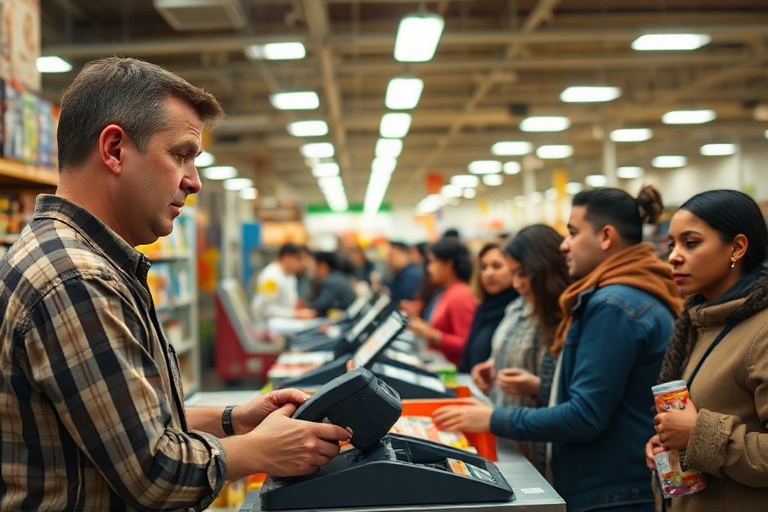
The cashier stands at the crossroads of commerce and human interaction. For centuries, this role has adapted to technological shifts while maintaining its core function: facilitating transactions between buyers and sellers. The cashier’s story is not just about money—it is about trust, efficiency, and the quiet rituals of daily exchange. Across cultures and eras, the position has evolved from barter-based tally keepers to the operators of automated checkout systems, reflecting broader changes in how societies handle value and service.
In some parts of the world, the cashier remains a highly relational figure. In Japanese convenience stores, for example, clerks are trained to greet customers with precise bows and memorized scripts, turning a routine purchase into a moment of ritualized courtesy. Meanwhile, in bustling markets from Marrakech to Mumbai, cashiers often manage multiple currencies and languages, navigating both transactional and cultural complexities with ease. These examples highlight how the role transcends mere transactions—it becomes a bridge between tradition and modernity.
The Global Face of the Cashier: Diverse Roles and Expectations
The responsibilities of a cashier vary dramatically depending on location and industry. In retail environments such as supermarkets and department stores, cashiers are expected to handle large volumes of customers efficiently while managing returns, discounts, and occasional disputes. Their role often includes training in loss prevention and customer service, especially in high-end boutiques where personalized attention is part of the brand experience.
In fast-food chains and quick-service restaurants, speed is paramount. Cashiers must process orders rapidly while maintaining accuracy under pressure. This environment demands multitasking skills and the ability to remain calm during peak hours. In contrast, luxury hotels and upscale restaurants employ cashiers who double as concierge assistants, offering recommendations and resolving guest inquiries beyond financial transactions.
Technology has also diversified the cashier’s role. In Scandinavian countries, where cash usage is declining, cashiers are increasingly trained to assist customers with digital payments and mobile wallets. In parts of Southeast Asia, QR code-based transactions have made cashiers more like transaction facilitators, overseeing a mix of cash and electronic transfers. These adaptations reflect a global shift toward seamless, cashless commerce.
Cultural Rituals and Customer Expectations
In many cultures, the interaction with a cashier is governed by unspoken social norms. In Germany, for example, customers are expected to place items directly on the counter rather than handing them to the cashier, a practice rooted in efficiency and hygiene. In Italy, small talk is almost mandatory, with cashiers often engaging in brief conversations about the weather or local events. These nuances underscore how the role is deeply embedded in local social structures.
In contrast, self-service checkouts in countries like the United States and Australia prioritize speed and autonomy. While some customers appreciate the convenience, others miss the human element—often leading to debates about the emotional cost of automation. The cashier, therefore, remains a symbolic figure in the retail experience, embodying both the warmth of service and the inevitability of progress.
The Technology Behind the Counter: Automation and the Future
Automation has significantly altered the cashier landscape. Self-checkout kiosks, once a novelty, are now standard in many grocery chains and big-box stores. These systems reduce labor costs but also shift responsibility onto customers, who must troubleshoot errors and bag their own items. While efficiency gains are clear, studies suggest that self-service can lead to higher rates of theft and frustration, particularly among older shoppers.
Artificial intelligence is now entering the mix. Amazon Go stores, for instance, use computer vision and sensor fusion to allow shoppers to grab items and walk out without ever interacting with a cashier. The technology tracks purchases automatically, billing customers through their Amazon accounts. While this innovation promises frictionless shopping, it raises questions about job displacement and the erosion of human connection in retail.
Despite these advances, human cashiers remain essential in sectors where empathy and adaptability are critical. Pharmacies, specialty stores, and small businesses rely on cashiers who can recognize regulars, handle sensitive transactions, and provide reassurance during stressful moments—such as when a customer needs help understanding a medical bill or returning a defective product.
Training and Turnover: The Human Side of the Role
Cashier positions are often entry-level, serving as a first job for students, immigrants, and people re-entering the workforce. Employers typically provide short training programs focused on operating registers, handling cash, and managing customer complaints. However, high turnover rates—driven by low wages, repetitive tasks, and limited career growth—pose challenges for businesses seeking consistency.
To address this, some companies have introduced career ladders that promote cashiers to roles such as shift supervisors or customer service managers. Others offer incentives like tuition reimbursement or flexible scheduling to retain talent. In countries with strong labor protections, unions negotiate for better pay and working conditions, ensuring that cashiers receive fair compensation for their labor.
The COVID-19 pandemic further exposed the vulnerabilities of cashiers. As frontline workers, they faced increased health risks while dealing with mask mandates, supply shortages, and anxious customers. Many retailers responded by introducing plexiglass barriers, contactless payment options, and hazard pay—temporary measures that highlighted the essential nature of the role.
Beyond the Register: The Broader Impact of the Cashier
The cashier’s role extends beyond the transaction. In many communities, cashiers act as informal advisors, sharing local knowledge about products, sales, and even personal recommendations. A cashier at a neighborhood grocery store might know which customer prefers a specific brand of bread or which family is struggling financially. These relationships build trust and foster a sense of belonging.
Economically, cashiers contribute to the vitality of small businesses. Independent shops that rely on personal service often outperform large chains in customer loyalty, thanks in part to the relationships formed at the checkout counter. In rural areas, cashiers may also serve as de facto community hubs, where news is exchanged and social connections are strengthened.
However, the rise of automation threatens to disrupt this social fabric. As stores prioritize efficiency over human interaction, the loss of the cashier role could erode the informal networks that sustain local economies. This shift raises ethical questions about the kind of society we want to build—one that values speed over community, or one that preserves the human touch in everyday transactions.
The Environmental Cost of Convenience
Cashiers also play a role in sustainability efforts. By encouraging paperless receipts, promoting reusable bags, and educating customers about eco-friendly products, cashiers can influence purchasing behavior. In countries where plastic bag bans are in place, cashiers are often the enforcers of these policies, reinforcing environmental values at the point of sale.
On the flip side, the proliferation of single-use packaging and disposable products in retail environments often falls under the purview of cashiers, who must navigate customer preferences for convenience over sustainability. Training cashiers to advocate for greener practices could amplify positive change across the industry.
As consumers become more conscious of their environmental footprint, the cashier’s role may evolve into that of an environmental steward—bridging the gap between corporate policies and individual responsibility.
Conclusion: The Cashier in an Automated Age
The cashier remains one of the most visible yet underappreciated professions in the world. While automation and digital transformation continue to reshape retail, the human element of the role endures in ways that technology cannot replicate. Whether through cultural rituals, community building, or environmental advocacy, cashiers contribute far more than mere transaction processing—they shape the fabric of daily life.
As society moves toward a cashless and increasingly automated future, the role of the cashier may shrink in number but will likely expand in significance. The challenge for businesses, policymakers, and consumers alike is to ensure that this evolution does not come at the cost of human dignity, economic opportunity, or social connection. The cashier is not just a relic of the past; it is a profession that continues to define the present—and may yet inspire its future.