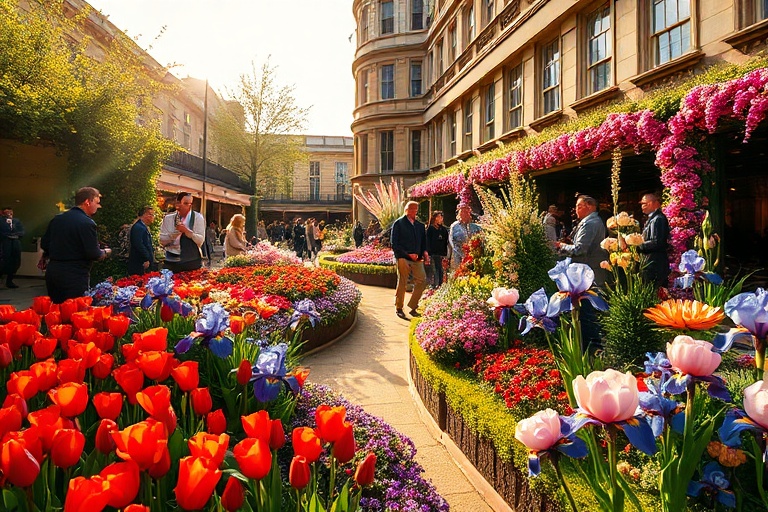
The Royal Horticultural Society’s Chelsea Flower Show stands as a pinnacle of botanical artistry, drawing over 160,000 visitors annually to London’s Royal Hospital Chelsea. Since its inception in 1913, the show has evolved from a modest flower exhibition into a global phenomenon, blending tradition with innovation. Attendees witness everything from meticulously designed show gardens to emerging trends in sustainable landscaping.
What began as a small gathering of gardening enthusiasts has transformed into a cultural touchstone, reflecting broader societal shifts. The show’s international appeal is evident in the diversity of exhibitors and visitors, who travel from across Europe, Asia, and the Americas. This global engagement underscores horticulture’s universal language, transcending borders and languages.
The Evolution of a Horticultural Icon
Chelsea Flower Show’s history mirrors the changing priorities of its time. In its early years, the event emphasized ornamental displays and floral competitions. By the mid-20th century, it had expanded to include educational exhibits and practical gardening advice. Today, sustainability and biodiversity dominate the conversation, with show gardens often highlighting rewilding and climate-resilient planting.
The show’s adaptability has been key to its longevity. Recent decades have seen a surge in celebrity involvement, with designers like Diarmuid Gavin and Jo Thompson shaping its modern identity. Their work merges avant-garde aesthetics with ecological responsibility, proving that horticulture can be both beautiful and purposeful.
Key Milestones in Chelsea’s Journey
- 1913: The first Chelsea Flower Show opens under the name “Great Spring Show.”
- 1947: Post-war austerity leads to the introduction of the “Dig for Victory” garden, reflecting national resilience.
- 1988: The show moves to its current location in Chelsea, solidifying its place in London’s cultural calendar.
- 2010s: Sustainability becomes a central theme, with gardens focusing on drought-resistant plants and urban greening.
A Global Stage for Horticultural Innovation
While Chelsea Flower Show is undeniably British in its roots, its influence radiates worldwide. Exhibitors from countries like Japan, the Netherlands, and New Zealand bring unique perspectives, often incorporating indigenous plants and traditional techniques. This cross-pollination of ideas fosters creativity and pushes the boundaries of garden design.
For instance, Japan’s contribution in recent years has spotlighted cultural aesthetics through minimalist Zen gardens. Meanwhile, Dutch designers have showcased high-tech hydroponic systems, demonstrating how technology can enhance horticultural practices. These global exchanges highlight Chelsea’s role as a melting pot of botanical innovation.
Notable International Exhibitors
- Japan: Takao Inoue’s 2022 “Garden of Peace” featured cherry blossoms and bamboo, symbolizing harmony.
- Netherlands: The 2023 “Urban Oasis” garden incorporated vertical farming and smart irrigation.
- Australia: “The Future is Native” garden in 2021 emphasized drought-tolerant flora, addressing climate challenges.
Sustainability: The New Green Standard
Modern Chelsea Flower Show gardens are judged not only on beauty but on their environmental impact. The 2023 show featured a record number of gardens designed to combat climate change, with features like rainwater harvesting and carbon-sequestering planting schemes. This shift reflects growing public awareness of ecological issues and the horticultural industry’s response.
One standout example was the “Resilience Garden,” which used recycled materials and native species to create a self-sustaining ecosystem. Such designs challenge conventional notions of gardening, proving that aesthetics and ecology can coexist. The show’s emphasis on sustainability also aligns with broader trends in gardening, where homeowners increasingly seek low-maintenance, eco-friendly options.
Tips for Sustainable Gardening Inspired by Chelsea
- Choose native plants to support local wildlife and reduce water usage.
- Incorporate permeable paving to manage stormwater runoff.
- Use organic mulches to improve soil health and suppress weeds.
- Invest in rain barrels to collect and reuse water for irrigation.
The Cultural and Economic Impact
Beyond its horticultural significance, Chelsea Flower Show wields considerable cultural and economic influence. It serves as a platform for charitable causes, with proceeds often benefiting initiatives like the RHS Campaign for School Gardening. The event also generates millions for London’s economy, attracting tourists who explore the city’s hotels, restaurants, and attractions.
Its media coverage further amplifies its reach, with broadcasts and articles reaching audiences far beyond the UK. Social media has amplified this effect, with hashtags like #Chelsea2023 trending globally. This digital engagement ensures that the show’s influence extends well beyond its physical grounds.
The show’s ability to adapt to modern sensibilities has also made it a magnet for younger audiences. Workshops on urban gardening and plant-based diets cater to millennials and Gen Z, who are increasingly invested in sustainability. By bridging generational gaps, Chelsea Flower Show remains relevant in an ever-changing world.
Why Chelsea Matters in 2024
The 2024 show arrives at a critical juncture, as climate change and biodiversity loss dominate global discourse. Its gardens serve as both inspiration and education, offering solutions to pressing environmental challenges. For policymakers, gardeners, and enthusiasts alike, Chelsea Flower Show is more than an event—it’s a call to action.
Conclusion: A Legacy of Growth and Inspiration
For over a century, the Chelsea Flower Show has celebrated the art and science of gardening, evolving alongside the world it reflects. Its ability to blend tradition with innovation ensures its enduring appeal, while its global reach fosters collaboration and creativity. As horticulture continues to play a vital role in addressing climate change, Chelsea remains at the forefront, proving that even the smallest plants can have the biggest impact.
Whether you’re a seasoned gardener or a curious newcomer, the show offers something for everyone. From its breathtaking displays to its practical workshops, Chelsea Flower Show is a testament to the power of nature to inspire, educate, and unite.