The world’s biodiversity is shrinking at an unprecedented rate. According to the International Union for Conservation of Nature (IUCN), over 44,000 species are currently threatened with extinction. This isn’t just a problem for scientists in labs—it’s a global crisis with real consequences for ecosystems, economies, and cultures worldwide.
From the dense rainforests of Madagascar to the coral reefs of the Pacific, endangered animals face threats that are as diverse as the species themselves. Habitat destruction, climate change, and illegal wildlife trade are pushing many creatures to the brink. Yet, their survival isn’t just about preserving nature; it’s about protecting the delicate balance that sustains human life as well.
The Global Extinction Crisis: A Snapshot of the Numbers
The scale of the problem is staggering. The IUCN’s Red List of Threatened Species tracks the conservation status of plants and animals, categorizing them from “Least Concern” to “Extinct.” As of 2024, the list includes:
- Mammals: 1,200+ species threatened
- Birds: 1,400+ species threatened
- Amphibians: 2,000+ species threatened
- Reptiles: 1,000+ species threatened
- Fish: 2,300+ species threatened
These numbers reflect more than just statistics—they represent ecosystems on the verge of collapse. For example, the vaquita, a small porpoise found only in Mexico’s Gulf of California, has fewer than 10 individuals left. Without urgent action, it could vanish within years.
In Southeast Asia, the Sumatran orangutan population has declined by 80% in the last 75 years due to deforestation. These losses aren’t isolated; they ripple through food chains, disrupt pollination, and weaken the resilience of natural systems.
Cultural and Economic Ripples: Why Endangered Species Matter
Beyond their ecological roles, endangered animals hold deep cultural and economic significance. Indigenous communities often view them as sacred or integral to their traditions. The Māori people of New Zealand, for instance, consider the kakapo—a critically endangered flightless parrot—a taonga (treasure), woven into their mythology and identity.
Tourism also depends on these species. The mountain gorillas of Rwanda and Uganda, once on the brink of extinction, now attract thousands of visitors annually. This ecotourism generates millions of dollars, supporting local economies and conservation efforts. A single gorilla trek can cost over $1,500, funneling funds into anti-poaching patrols and habitat protection.
Even industries like agriculture and medicine rely on biodiversity. Many crops depend on animal pollinators, such as bees and bats. Meanwhile, pharmaceutical companies study compounds from endangered species—like the venom of the cone snail—to develop life-saving drugs. Losing these species could mean losing future cures.
Key Threats: What’s Driving the Decline?
The reasons behind the decline of endangered animals are complex and interconnected. Here are the primary drivers:
- Habitat Destruction: Deforestation, urbanization, and agriculture are wiping out natural habitats at alarming rates. The Amazon rainforest, often called the “lungs of the Earth,” loses an area the size of a football field every minute.
- Climate Change: Rising temperatures, ocean acidification, and extreme weather events are altering habitats faster than species can adapt. Polar bears, for example, face dwindling sea ice, which they rely on for hunting.
- Illegal Wildlife Trade: The black market for exotic pets, skins, and traditional medicines is a multi-billion-dollar industry. Pangolins, the world’s most trafficked mammal, are hunted to near extinction for their scales and meat.
- Pollution: Plastic waste chokes marine life, while pesticides and industrial runoff poison waterways. The critically endangered vaquita often drowns in illegal gillnets set for totoaba fish.
- Invasive Species: Non-native species introduced by humans outcompete or prey on local wildlife. In Australia, feral cats have contributed to the extinction of at least 20 native mammal species.
These threats don’t operate in isolation. Climate change exacerbates habitat loss by intensifying droughts and wildfires, while illegal trade thrives in regions with weak law enforcement. Addressing them requires coordinated global action.
Conservation Success Stories: Glimmers of Hope
Despite the grim outlook, there are inspiring examples of species that have made remarkable recoveries. These success stories prove that conservation efforts can work when governments, scientists, and communities collaborate.
Take the California condor, North America’s largest bird. By the 1980s, habitat loss and lead poisoning from hunting ammunition had reduced its population to just 27 individuals. A captive breeding program saved the species, and today, over 500 condors soar in the wild. Similarly, the southern white rhino, once nearly extinct, has seen its population rebound to over 20,000 thanks to anti-poaching measures and habitat protection.
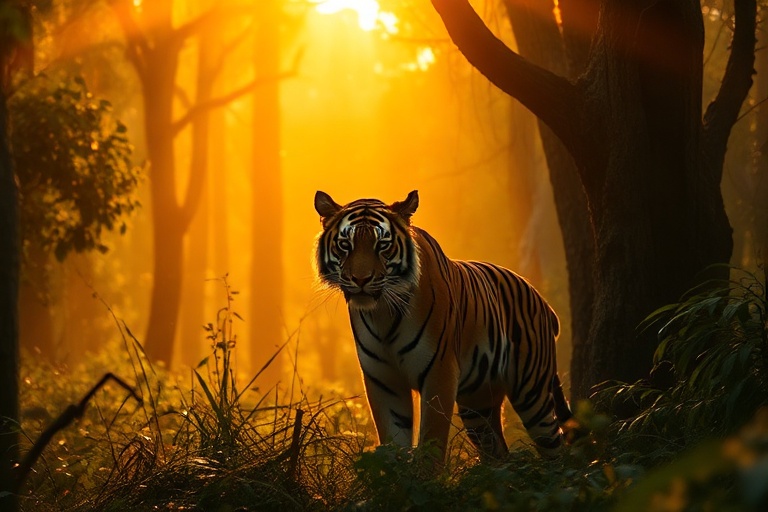
These victories aren’t accidental. They result from targeted policies, community engagement, and innovative solutions. In Bhutan, the government has pledged to maintain a minimum of 60% forest cover, creating a safe haven for species like the Bengal tiger. Meanwhile, grassroots movements in Africa are using technology, such as GPS collars and camera traps, to monitor and protect endangered wildlife.
Even corporate involvement is making a difference. Companies like Patagonia and Google are funding conservation projects and sustainable practices. Patagonia’s “1% for the Planet” initiative, for example, donates 1% of sales to environmental causes, including efforts to protect endangered species.
What Can Be Done? A Call to Action
Saving endangered animals isn’t just the responsibility of governments or conservationists—it’s a collective effort. Here are steps individuals and communities can take:
- Support Conservation Organizations: Donate to or volunteer with groups like the World Wildlife Fund (WWF), Wildlife Conservation Society (WCS), or local initiatives. Every contribution helps.
- Reduce Your Carbon Footprint: Climate change is a major driver of habitat loss. Simple actions like using public transport, eating less meat, and reducing energy consumption can make a difference.
- Choose Sustainable Products: Avoid items linked to deforestation or illegal wildlife trade, such as palm oil (linked to orangutan habitat destruction) or ivory. Look for certifications like Fair Trade or Rainforest Alliance.
- Advocate for Policy Change: Contact lawmakers to support stronger environmental protections and anti-poaching laws. Share information on social media to raise awareness.
- Educate Others: Teach children and communities about the importance of biodiversity. Knowledge is the first step toward change.
The fate of endangered animals isn’t predetermined. With dedication and action, we can turn the tide. The question isn’t whether we can save these species—it’s whether we’re willing to try.