Endangered Animals: Why Their Survival Matters Now
The delicate balance of Earth’s ecosystems depends on biodiversity, yet thousands of species face the threat of extinction. According to the International Union for Conservation of Nature (IUCN), over 44,000 species are currently endangered, with habitat loss, climate change, and poaching as the leading causes. Protecting these animals isn’t just about preserving nature—it’s about safeguarding the health of our planet for future generations.
The Most Critically Endangered Animals
Some species are on the brink of vanishing forever. The Javan rhinoceros, for example, has fewer than 80 individuals left, all confined to a single national park in Indonesia. Similarly, the vaquita, a small porpoise found in Mexico’s Gulf of California, is the most endangered marine mammal, with fewer than 10 individuals remaining. These animals represent critical conservation priorities because their extinction would disrupt entire ecosystems.
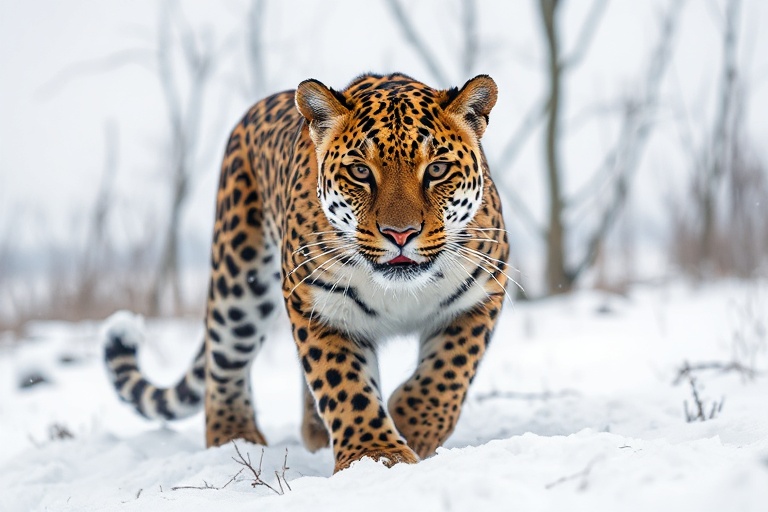
Other species, like the Amur leopard, have seen remarkable recovery efforts. Once reduced to fewer than 40 individuals in the wild, conservation programs and anti-poaching measures have helped their population grow to over 100. Yet, despite these successes, their habitat remains fragmented, leaving them vulnerable to future threats.
Why These Animals Matter
Endangered species play unique roles in their environments. The giant panda, for instance, is a keystone species that helps maintain forest health by spreading seeds and promoting bamboo growth. Similarly, sea turtles keep seagrass beds healthy, which in turn supports fish populations that coastal communities rely on. Losing these species doesn’t just mean losing a single animal—it means destabilizing entire food chains and ecological processes.
Beyond their ecological importance, endangered animals hold cultural and economic value. The tiger, revered in many Asian cultures, is a major draw for ecotourism, generating billions in revenue annually. Protecting these species isn’t just an environmental issue; it’s a matter of preserving global heritage and livelihoods.
The Biggest Threats to Wildlife
Habitat destruction remains the most significant threat to endangered species. Deforestation for agriculture, urban expansion, and logging has wiped out millions of acres of critical wildlife habitats. In Southeast Asia, palm oil plantations have decimated orangutan populations, pushing them toward extinction. Similarly, the destruction of coral reefs due to climate change and pollution has endangered over a quarter of all marine species.
Climate change exacerbates these threats by altering habitats faster than species can adapt. Rising temperatures force animals like the polar bear to retreat northward, while changing precipitation patterns disrupt breeding cycles for amphibians. Poaching and illegal wildlife trade also contribute to the crisis, with elephants, rhinos, and pangolins targeted for their ivory, horns, and scales.
Human Impact and Responsibility
The primary driver of these threats is human activity. Industrialization, overconsumption, and unsustainable resource extraction have pushed countless species to the brink. However, this also means humans have the power to reverse the damage. Conservation efforts, such as protected areas and reforestation projects, have proven effective in some regions. For example, the recovery of the California condor, once down to just 27 individuals in the wild, demonstrates what dedicated conservation can achieve.
Legislation also plays a crucial role. The Endangered Species Act in the United States and the Convention on International Trade in Endangered Species (CITES) have helped curb poaching and habitat destruction. Yet, enforcement remains inconsistent, particularly in regions with weak governance and high levels of corruption.
How Conservation Efforts Are Making a Difference
Conservation organizations worldwide are employing innovative strategies to protect endangered species. One approach is community-based conservation, which involves local communities in protecting wildlife. In Namibia, for instance, conservancies managed by indigenous groups have helped increase populations of elephants and lions while providing economic benefits to residents. This model proves that conservation and human development can coexist.
Technology is also revolutionizing conservation. Drones equipped with thermal imaging are used to monitor poaching activities in real time, while GPS collars help track animal movements and identify critical habitats. In Africa, conservationists are using AI to analyze camera trap images, identifying individual animals and detecting poaching threats more efficiently.
Success Stories to Inspire Hope
Despite the grim outlook, there are reasons to be optimistic. The recovery of the humpback whale is a testament to global conservation efforts. After being hunted to near extinction, their populations have rebounded thanks to international bans on whaling. Similarly, the black-footed ferret, once declared extinct, was rediscovered in the 1980s and has since been reintroduced into the wild through captive breeding programs.
Another inspiring example is the Iberian lynx, the world’s most endangered wild cat. Conservationists in Spain and Portugal have successfully increased their population from fewer than 100 individuals in the early 2000s to over 1,000 today. This achievement highlights the importance of targeted conservation strategies and cross-border collaboration.
What You Can Do to Help
Individual actions may seem small, but they can collectively make a significant impact. Supporting conservation organizations through donations or volunteer work is one of the most direct ways to contribute. Organizations like the World Wildlife Fund (WWF) and Conservation International focus on habitat protection, anti-poaching efforts, and policy advocacy.
Reducing your environmental footprint is another powerful way to help. Opting for sustainable products, reducing plastic use, and supporting ethical tourism can minimize your impact on endangered species. For example, choosing shade-grown coffee over conventional coffee helps protect migratory bird habitats in Central and South America.
Advocacy and Awareness
Raising awareness about endangered species is critical to driving policy change. Sharing information on social media, participating in local conservation events, or even starting conversations with friends and family can help spread the word. Advocacy also involves holding governments and corporations accountable for their environmental policies. Pushing for stronger protections and sustainable practices can create long-term change.
Educational initiatives are equally important. Schools and universities can incorporate conservation biology into their curricula, fostering the next generation of environmental stewards. Citizen science projects, where volunteers contribute to data collection, also play a vital role in monitoring endangered species and their habitats.
Looking Ahead: The Future of Endangered Species
The future of endangered species hinges on collective action. Governments, conservation organizations, and individuals must work together to address the root causes of biodiversity loss. This includes transitioning to renewable energy, enforcing stricter environmental laws, and investing in sustainable development. The upcoming UN Biodiversity Conference (COP16) will be a critical opportunity to set global conservation targets and hold nations accountable.
Emerging technologies, such as gene editing and de-extinction projects, offer innovative solutions. While still in their infancy, these technologies could one day help restore populations of critically endangered species or even revive extinct ones. However, they should complement—not replace—traditional conservation methods like habitat restoration and anti-poaching efforts.
The battle to save endangered species is far from over, but it is not a lost cause. With determination, innovation, and global cooperation, there is still time to turn the tide. The fate of these animals is intertwined with our own, and their survival depends on the choices we make today. By acting now, we can ensure that future generations inherit a planet teeming with life, where the sounds of the wild continue to echo through forests, oceans, and skies.