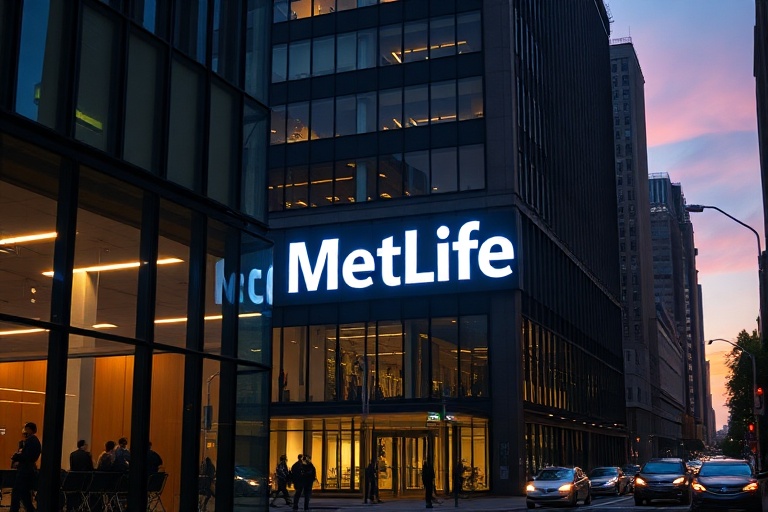
Few institutions embody the enduring promise of financial protection quite like MetLife. Since its founding in 1868 as the Metropolitan Life Insurance Company, the organization has grown from a modest mutual insurer into one of the world’s most recognizable providers of life insurance, annuities, and employee benefits. Its journey—shaped by economic upheavals, regulatory shifts, and technological revolutions—offers a compelling case study in resilience, adaptation, and the evolving nature of risk management.
The Early Years: Mutual Aid in a Turbulent Century
MetLife was established in New York City during the aftermath of the Civil War, a time when industrialization was rapidly transforming American society and the need for life insurance was becoming undeniable. Unlike proprietary insurers of the era, MetLife operated as a mutual company, owned by its policyholders rather than outside investors. This structure fostered trust and long-term stability, aligning the company’s success with the well-being of its clients.
The late 19th century brought both opportunity and peril. The Great Chicago Fire of 1871 and the economic panic of 1873 tested the resilience of early insurers. MetLife survived by prioritizing conservative underwriting and transparent financial reporting—practices that would define its reputation for decades. By the turn of the century, the company had become the largest life insurer in the United States, a title it held for nearly 70 years.
Key Innovations and Milestones
- 1879: Introduced industrial life insurance, offering policies to working-class families at affordable rates.
- 1909: Became the first life insurer to publish its mortality experience publicly, building unprecedented trust.
- 1921: Launched the first group life insurance program in the U.S., pioneering employer-sponsored benefits.
- 1974: Converted from a mutual company to a publicly traded corporation, marking a major strategic shift.
From Mutual to Corporate: A Strategic Transformation
The decision in 1999 to demutualize and go public through an initial public offering (IPO) was a watershed moment for MetLife. The move allowed the company to access capital markets, expand globally, and diversify its product offerings. It also signaled a broader trend in the insurance industry, where mutual insurers increasingly converted to stock companies to compete in a consolidated financial landscape.
This transformation was not without controversy. Critics argued that demutualization prioritized shareholder returns over policyholder benefits. Yet MetLife navigated the transition with discipline, maintaining strong ratings from agencies like A.M. Best and Moody’s. The company’s ability to balance growth with solvency became a model for peers in the financial services sector.
In the early 2000s, MetLife accelerated its expansion beyond traditional life insurance, acquiring businesses in retirement planning, dental benefits, and auto and home insurance. The acquisition of Travelers Life & Annuity in 2005 further cemented its position as a diversified financial services giant, with operations in more than 40 countries.
Modern Challenges and Digital Evolution
Today, MetLife faces a new set of challenges and opportunities. The rise of insurtech startups, changing consumer expectations, and the increasing role of data analytics are reshaping the insurance industry. Consumers now demand seamless digital experiences, personalized policies, and real-time access to services—demands that require legacy institutions to modernize rapidly.
MetLife has responded with significant investments in technology and customer experience. The company launched MyDirect, a digital platform enabling customers to purchase life insurance policies online in minutes. It has also embraced artificial intelligence and machine learning to improve underwriting accuracy and fraud detection. These innovations are not merely cosmetic upgrades but strategic pivots to remain relevant in a digital-first world.
Regulatory scrutiny remains another critical factor. Following the 2008 financial crisis, insurers worldwide came under tighter oversight, particularly in areas like capital adequacy and risk management. MetLife, designated as a systemically important financial institution (SIFI) by the U.S. Financial Stability Oversight Council in 2013, underwent enhanced supervision before successfully contesting the designation in court in 2018. The case highlighted the complex interplay between regulation and corporate strategy in the financial sector.
Broader Implications for the Insurance Industry
MetLife’s evolution reflects broader trends within the global insurance industry:
- Digital Disruption: Traditional insurers are being forced to adopt agile, customer-centric models to compete with agile fintech startups.
- Regulatory Pressure: Increased oversight is reshaping how insurers manage risk and report financial health.
- Globalization vs. Localization: As insurers expand, they must balance standardized offerings with region-specific needs and regulations.
- Sustainability and ESG: Investors and customers increasingly expect insurers to integrate environmental, social, and governance (ESG) factors into their operations.
Looking Ahead: What’s Next for MetLife?
As MetLife approaches its 160th anniversary, its future hinges on three strategic pillars: innovation, trust, and adaptability. The company continues to explore emerging technologies such as blockchain for secure policy management and telematics for personalized auto insurance. It is also deepening its focus on wellness and preventive care, aligning with a growing consumer preference for holistic financial and health solutions.
Yet, perhaps the most enduring asset MetLife possesses is its brand equity. For generations, the company has been synonymous with reliability in uncertain times. That reputation is not built overnight, nor is it easily replicated by digital upstarts. In an era where trust in financial institutions is often in question, MetLife’s century-and-a-half track record serves as both a shield and a compass.
The company’s commitment to employee benefits also positions it well in a labor market increasingly focused on total compensation. MetLife’s group benefits division, which serves millions of workers through employer-sponsored plans, is a cornerstone of its business. As remote work and gig economies reshape employment patterns, MetLife is adapting by offering flexible, portable benefits solutions.
Ultimately, MetLife’s story is one of continuity amid change. It is a reminder that in financial services, as in life, endurance is not about resisting transformation but mastering it. Whether through technological innovation, strategic acquisitions, or customer advocacy, MetLife continues to redefine what it means to protect the future.
For advisors, investors, and policyholders alike, MetLife remains a bellwether—a company that has not only weathered storms but helped define the very concept of financial security in the modern world.
As we look to the decades ahead, one thing is clear: the need for protection, planning, and peace of mind will never go out of style.
“MetLife’s journey reflects the evolution of risk itself—from mortality tables to digital identity theft, from mutual aid societies to AI-driven underwriting. The company’s ability to adapt while preserving its core mission may be its most valuable asset of all.”