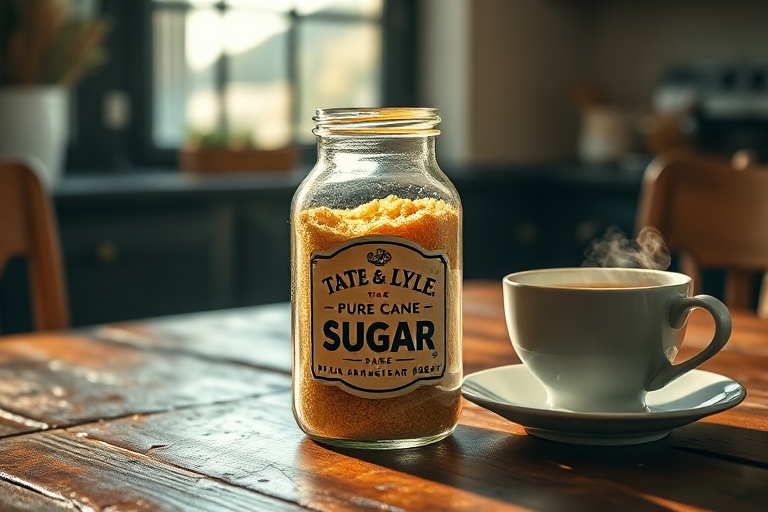
Tate & Lyle: 100 Years of Sweetening the Food Industry
For over 100 years, Tate & Lyle has played a pivotal role in shaping the global food and beverage industry. The company’s journey from a sugar refinery in London to a diversified ingredient supplier reflects broader trends in food science, consumer demand, and industrial innovation. Today, Tate & Lyle stands as a testament to adaptability, evolving from its sugar-centric origins into a leader in low- and no-calorie sweeteners, specialty food ingredients, and nutritional solutions.
Founded in 1921 through the merger of Henry Tate’s sugar refineries and Abram Lyle’s sugar mills, Tate & Lyle emerged as a dominant force in the British sugar industry. The company’s early success was built on the production and distribution of granulated sugar, a staple commodity in households across the UK and beyond. By the mid-20th century, Tate & Lyle had expanded its operations globally, establishing itself as a household name synonymous with quality and consistency.
The Evolution of a Sugar Empire
The company’s growth trajectory was marked by strategic acquisitions and technological advancements. In the 1970s, Tate & Lyle acquired Manbre & Garton, a leading producer of golden syrup, further solidifying its presence in the UK market. The 1980s and 1990s saw the company diversify its portfolio, investing in research and development to explore alternative sweeteners and food ingredients.
A significant turning point came in 2000 when Tate & Lyle sold its sugar business to focus on high-growth, value-added ingredients. This shift allowed the company to pivot toward innovation, particularly in the realm of low-calorie and functional ingredients. Today, Tate & Lyle’s product lineup includes sucralose, a high-intensity sweetener 600 times sweeter than sugar, and a range of dietary fibers and texturants used in everything from baked goods to beverages.
The company’s commitment to sustainability has also been a cornerstone of its modern identity. Tate & Lyle has implemented initiatives to reduce its carbon footprint, improve water efficiency, and promote responsible sourcing. These efforts reflect a broader industry trend toward sustainability, driven by consumer awareness and regulatory pressures.
Innovation in the Sweetener Industry
One of Tate & Lyle’s most notable contributions to the food industry is its development of sucralose, marketed under the brand name Splenda. Introduced in the late 1990s, sucralose quickly gained popularity as a sugar substitute, particularly among consumers seeking to reduce calorie intake without sacrificing sweetness. Unlike other artificial sweeteners, sucralose is heat-stable, making it ideal for baking and cooking.
The company’s research and development team has continued to innovate, exploring new ways to enhance the taste, texture, and nutritional profile of food products. For example, Tate & Lyle’s dietary fibers, such as Promitor® and STA-LITE®, are used to improve the fiber content of foods without altering their taste or texture. These ingredients cater to the growing demand for healthier food options, aligning with trends such as clean labeling and plant-based diets.
Tate & Lyle’s innovation extends beyond sweeteners. The company has also developed a range of specialty ingredients designed to improve the functionality of food products. These include texturants, emulsifiers, and stabilizers that enhance the mouthfeel, shelf life, and overall quality of processed foods. By collaborating with food manufacturers, Tate & Lyle helps create products that meet the evolving needs of consumers.
Key Innovations by Tate & Lyle
- Sucralose (Splenda): A zero-calorie sweetener that is 600 times sweeter than sugar, widely used in beverages, baked goods, and tabletop sweeteners.
- Promitor® Dietary Fiber: A soluble fiber derived from corn that can be used to increase the fiber content of foods without affecting taste or texture.
- STA-LITE® Polydextrose: A low-calorie bulking agent that provides texture and mouthfeel in reduced-sugar products.
- Tate & Lyle’s Fibersol®: A fermentable dietary fiber that supports gut health and can be used in a variety of food applications.
Global Impact and Market Presence
Tate & Lyle operates in more than 30 countries, with manufacturing facilities in the United States, Europe, and Asia. The company’s global reach allows it to serve a diverse customer base, from multinational food manufacturers to local bakeries. In the United States, Tate & Lyle is a major supplier of ingredients to companies like PepsiCo, Nestlé, and General Mills, contributing to some of the most recognizable brands in the food industry.
The company’s financial performance reflects its strong market position. In fiscal year 2023, Tate & Lyle reported revenue of £2.3 billion, with a significant portion derived from its Food & Beverage Solutions segment. This segment includes sweeteners, fibers, and specialty ingredients, which collectively account for over 70% of the company’s total revenue. The company’s focus on high-margin, value-added products has helped it maintain profitability even in the face of fluctuating commodity prices.
Tate & Lyle’s global impact is not limited to its commercial success. The company has also been involved in various community and sustainability initiatives. For example, its partnership with the Sustainable Agriculture Initiative aims to promote sustainable farming practices among sugar beet growers. Additionally, Tate & Lyle has committed to reducing its greenhouse gas emissions by 30% by 2030, demonstrating its dedication to environmental stewardship.
Challenges and Future Outlook
Despite its success, Tate & Lyle faces several challenges in the years ahead. One of the most pressing is the growing consumer preference for natural and clean-label ingredients. While sucralose remains a popular sugar substitute, some consumers are seeking alternatives derived from stevia, monk fruit, or other natural sources. Tate & Lyle has responded to this trend by expanding its portfolio to include natural sweeteners and ingredients, such as its partnership with a stevia supplier to develop new products.
The company is also navigating the complexities of global supply chains, which have been disrupted by geopolitical tensions, climate change, and the COVID-19 pandemic. Tate & Lyle’s diversified manufacturing footprint and strategic partnerships with suppliers have helped mitigate some of these risks, but the company remains vigilant in addressing potential vulnerabilities.
Looking ahead, Tate & Lyle is well-positioned to capitalize on several growth opportunities. The increasing demand for plant-based and functional foods presents a significant avenue for expansion. The company’s existing portfolio of dietary fibers and texturants aligns well with these trends, allowing it to cater to the needs of health-conscious consumers. Additionally, Tate & Lyle’s ongoing investments in research and development ensure that it remains at the forefront of food ingredient innovation.
Strategic Priorities for Tate & Lyle
- Expansion of Natural Sweeteners: Developing and commercializing natural, high-intensity sweeteners to meet consumer demand for clean-label products.
- Enhancing Sustainability: Accelerating efforts to reduce carbon emissions, improve water efficiency, and promote sustainable sourcing practices.
- Digital Transformation: Leveraging technology to optimize supply chain operations, improve customer engagement, and drive innovation.
- Market Expansion: Strengthening its presence in emerging markets, particularly in Asia and Latin America, where demand for processed foods is growing.
Conclusion: A Legacy of Innovation and Adaptability
Tate & Lyle’s century-long journey is a testament to the power of innovation and adaptability. From its origins as a sugar refiner to its current status as a leader in food ingredients, the company has consistently evolved to meet the changing needs of consumers and the food industry. Its commitment to sustainability, research and development, and global expansion positions it well for continued success in the years ahead.
As the food industry continues to transform, Tate & Lyle’s ability to anticipate trends and deliver high-quality, functional ingredients will be critical to its ongoing relevance. Whether it’s through the development of new sweeteners, the enhancement of dietary fibers, or the promotion of sustainable practices, Tate & Lyle remains dedicated to sweetening the world—responsibly and innovatively.