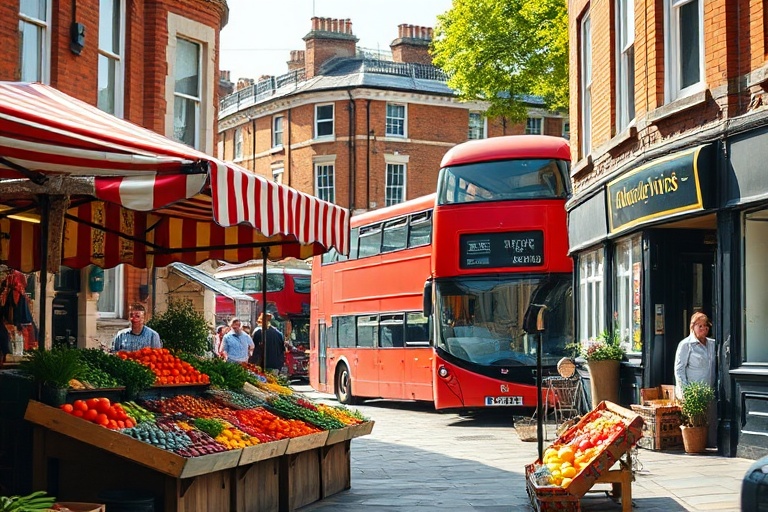
Nestled in the northeastern corner of London, Waltham Forest stands as a testament to the city’s diverse and evolving identity. Often overshadowed by its more famous neighbors, this borough has quietly cultivated a reputation as a hub for creativity, history, and community spirit. From its leafy suburbs to its bustling high streets, Waltham Forest offers a unique blend of urban energy and local charm.
The area’s transformation over the past decade has been remarkable. Once primarily residential, Waltham Forest has become a magnet for artists, entrepreneurs, and families seeking an alternative to central London’s frenetic pace. Its proximity to Epping Forest and the Lea Valley adds natural beauty to its urban appeal, creating a balance that few London boroughs can match.
The Cultural Renaissance of Waltham Forest
Waltham Forest’s cultural scene has flourished in recent years, earning it the prestigious title of UK City of Culture 2019. This recognition wasn’t merely symbolic—it catalyzed the borough’s artistic community. Local venues like the William Morris Gallery and Walthamstow Wetlands have become focal points for cultural engagement.
The William Morris Gallery, housed in the former home of the Victorian textile designer, remains one of London’s hidden cultural treasures. Its exhibitions continue to attract visitors interested in art, design, and social history. Meanwhile, Walthamstow Wetlands—a 211-hectare site—has transformed from industrial wasteland to a thriving nature reserve, proving that urban regeneration can coexist with environmental preservation.
Local initiatives have played a crucial role in this cultural revival. The Waltham Forest Art Trail, for example, transforms the borough into an open-air gallery each summer, featuring works by both established and emerging artists. Community projects like these have fostered a sense of pride among residents, reinforcing Waltham Forest’s identity as a creative powerhouse.
Neighbourhoods That Tell a Story
Waltham Forest’s character is defined by its diverse neighborhoods, each with its own distinct personality. Walthamstow, the borough’s namesake and largest town, serves as the commercial and cultural heart. Its high street—once in decline—has experienced a renaissance, with independent shops, cafes, and restaurants now outnumbering chain stores. The arrival of the William Morris Gallery and Blackhorse Road’s creative spaces has further cemented its appeal.
Leyton, another key neighborhood, offers a different flavor entirely. Its strong Caribbean community has shaped the area’s culinary landscape, with legendary spots like Mangrove and the annual Leytonstone Feast celebrating its cultural heritage. The neighborhood’s proximity to Queen Elizabeth Olympic Park has also spurred development, blending new residential projects with existing communities.
Lesser-known areas like Chingford and Highams Park provide a quieter alternative, with their village-like atmospheres and access to Epping Forest. These neighborhoods attract families and nature enthusiasts, offering a slower pace of life while remaining well-connected to central London.
Key Neighborhoods in Waltham Forest
- Walthamstow: The cultural and commercial hub with a thriving high street and creative scene.
- Leyton: A diverse area with a strong Caribbean influence and growing food scene.
- Chingford: Known for its village-like feel and proximity to Epping Forest.
- Blackhorse Road: An up-and-coming area with artist studios and transport links.
- Highams Park: A residential neighborhood with a community-focused vibe.
Transport and Connectivity: The Borough’s Lifeline
Waltham Forest’s location provides a strategic advantage in London’s transport network. The borough is served by multiple London Underground lines, including the Victoria Line at Walthamstow Central and Blackhorse Road stations. Overground services, such as the Lea Valley Lines, connect residents to Stratford and Liverpool Street, while the Elizabeth Line offers faster access to central London and beyond.
Cycling infrastructure has also improved significantly. The Lea Valley towpath and the new Cycle Superhighway CS3 provide safe routes for commuters and leisure cyclists alike. These developments reflect Waltham Forest’s commitment to sustainable transport, reducing reliance on cars and easing congestion.
Despite these improvements, challenges remain. Some residents in outer areas like Chingford and Highams Park still face longer commutes, with fewer direct transport links. However, ongoing projects like the extension of the Bakerloo Line and improvements to local bus routes aim to address these gaps, ensuring that Waltham Forest remains accessible and connected.
Education and Community: Building for the Future
Waltham Forest’s schools have undergone significant transformation in recent years. The borough was one of the first in London to benefit from the government’s Priority School Building Programme, resulting in modernized facilities across its primary and secondary schools. Institutions like Walthamstow Academy and Chingford Foundation School have gained recognition for their academic achievements and extracurricular offerings.
Higher education is also making its mark. The relocation of part of University College London’s campus to the Queen Elizabeth Olympic Park has brought a new wave of students to the area. This influx has revitalized local businesses, particularly around Stratford and Leyton, where student housing and affordable eateries have become more prevalent.
Community initiatives play a vital role in shaping Waltham Forest’s future. Programs like the Waltham Forest Youth Engagement Service provide mentorship and support for young people, while local charities address housing and employment challenges. These efforts highlight the borough’s commitment to social mobility and inclusive growth.
Top Community Initiatives in Waltham Forest
- Waltham Forest Youth Engagement Service: Offers mentorship and development programs for young people.
- Waltham Forest Foodbank: Provides emergency food supplies and support to residents in need.
- Blackhorse Workshop: A community space offering workshops, training, and creative projects.
- Epping Forest Conservation Volunteers: Engages residents in preserving the borough’s natural spaces.
- Waltham Forest Credit Union: Supports financial inclusion through affordable loans and savings schemes.
A Borough on the Rise
Waltham Forest’s story is one of resilience and reinvention. From its industrial past to its current status as a cultural and creative hub, the borough has continually adapted to meet the needs of its residents. Its blend of urban and natural spaces, diverse communities, and improving infrastructure make it an attractive place to live, work, and visit.
As London continues to evolve, Waltham Forest stands out as a model of sustainable urban development. Its commitment to preserving green spaces, fostering local talent, and investing in community projects sets a benchmark for other boroughs. Whether you’re drawn by its cultural scene, its affordability compared to central London, or its strong sense of community, Waltham Forest offers something unique.
The borough’s future looks bright, with ongoing regeneration projects and a growing reputation as a creative hotspot. As more people discover its charms, Waltham Forest is poised to shed its “hidden gem” status and take its rightful place as one of London’s most dynamic neighborhoods.