Who Is Abbas Araghchi? Iran’s Top Diplomat Explained
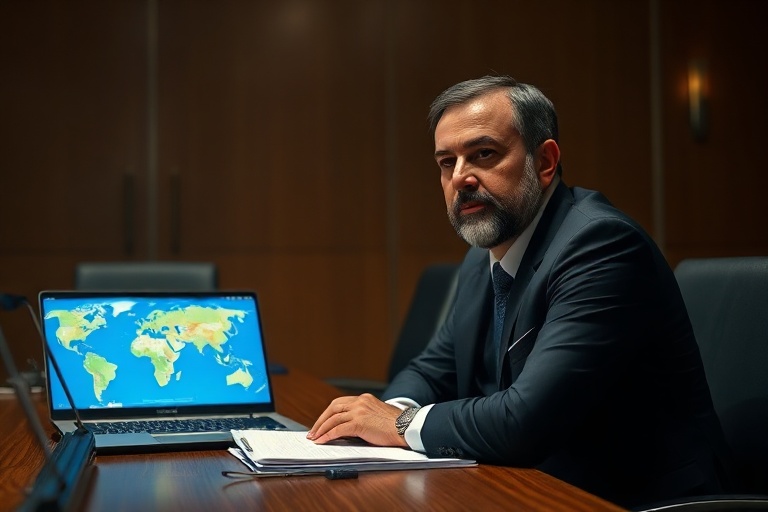
Abbas Araghchi stands as one of Iran’s most influential diplomats, navigating the country through decades of geopolitical tension. As a senior foreign policy advisor to Iran’s Supreme Leader, Araghchi has played a pivotal role in shaping Iran’s approach to international relations, particularly in its dealings with the West. His career spans critical moments in modern Iranian history, from the nuclear negotiations of the Rouhani administration to the ongoing complexities of regional conflicts.
Born in 1960 in Tabriz, Araghchi’s journey into diplomacy began during the Iran-Iraq War, where he served in the military before transitioning to foreign affairs. His expertise in nuclear negotiations became evident during his tenure as Iran’s deputy foreign minister under Mohammad Javad Zarif, where he was instrumental in brokering the 2015 Joint Comprehensive Plan of Action (JCPOA). Today, as Iran’s deputy foreign minister for political affairs, Araghchi continues to be a key figure in Tehran’s efforts to balance pressure from Western sanctions with its strategic interests in the Middle East.
The Architect of Iran’s Nuclear Diplomacy
Araghchi’s most defining role has been in nuclear negotiations, where his technical knowledge and negotiation skills have been repeatedly tested. Serving as Iran’s chief negotiator alongside Zarif, he was deeply involved in the talks that led to the JCPOA, which temporarily eased international sanctions in exchange for limits on Iran’s nuclear program. While the deal’s future remains uncertain following the U.S. withdrawal in 2018, Araghchi’s contributions to those negotiations cemented his reputation as a pragmatic diplomat.
His approach to diplomacy has often been characterized by a mix of firmness and flexibility. Araghchi has consistently emphasized Iran’s right to develop peaceful nuclear technology while acknowledging the need for compromise to avoid further isolation. This balancing act has put him at the center of debates about Iran’s nuclear ambitions and its willingness to engage with the international community.
Key Negotiation Points Where Araghchi Played a Crucial Role
- 2013–2015 JCPOA Talks: Araghchi was part of the Iranian team that negotiated the landmark nuclear deal with the P5+1 group (the U.S., UK, France, China, Russia, and Germany). His role involved technical discussions on uranium enrichment levels and inspections.
- 2021 Vienna Talks: After the U.S. reimposed sanctions, Araghchi returned to negotiations aimed at reviving the JCPOA. These talks collapsed in 2022, but his involvement highlighted Iran’s persistence in seeking sanctions relief.
- Regional Diplomacy: Beyond nuclear issues, Araghchi has been involved in efforts to stabilize relations with neighboring countries, including Iraq and Gulf states, while managing tensions with Saudi Arabia and Israel.
Navigating Sanctions and Regional Conflicts
Araghchi’s career has unfolded against the backdrop of crippling U.S. and EU sanctions, which have reshaped Iran’s economy and foreign policy. His strategy has involved leveraging Iran’s regional alliances—particularly with Russia, China, and groups like Hezbollah—to mitigate the impact of isolation. This approach has drawn criticism from Western powers, who argue that Iran’s regional activities undermine regional stability.
In recent years, Araghchi has also been involved in indirect talks with the U.S. aimed at de-escalating tensions, particularly after the 2020 assassination of Qasem Soleimani and the 2022 protests in Iran. His role in these discussions reflects Iran’s cautious engagement with Washington, even as the two countries remain adversaries.
The broader implications of Araghchi’s work extend beyond Iran’s borders. His negotiations have influenced global non-proliferation efforts, while his regional diplomacy has shaped alliances in the Middle East. For policymakers in Washington, Brussels, and beyond, understanding Araghchi’s approach is essential to predicting Iran’s next moves.
Araghchi’s Legacy and Future Trajectory
Araghchi’s career offers insights into Iran’s evolving foreign policy under Supreme Leader Ayatollah Ali Khamenei. While he is often associated with pragmatic diplomacy, his alignment with the regime’s core principles—such as resistance to Western pressure—remains unwavering. This duality has made him a polarizing figure: respected by some for his diplomatic acumen, criticized by others for his role in upholding Iran’s hardline stance.
Looking ahead, Araghchi’s influence will likely depend on Iran’s ability to navigate its economic struggles and regional conflicts. If sanctions persist, his role in finding alternative pathways for trade and diplomacy will become even more critical. Meanwhile, the outcome of ongoing talks with the U.S. and Europe could redefine his legacy, either as a bridge to engagement or a defender of Iran’s revolutionary principles.
What to Watch in Araghchi’s Next Moves
- Reviving the JCPOA: Araghchi’s involvement in future nuclear talks could determine whether Iran seeks a new deal or doubles down on its current path.
- Regional Alliances: His efforts to strengthen ties with China and Russia may reshape Iran’s economic and military partnerships.
- Domestic Politics: As Iran’s leadership transitions, Araghchi’s role could shift, depending on whether hardliners or reformists gain the upper hand.
- U.S.-Iran Relations: Any direct or indirect negotiations between Tehran and Washington will likely feature Araghchi as a key player.
Conclusion: A Diplomat in the Crosshairs of History
Abbas Araghchi’s career encapsulates the challenges and contradictions of modern Iranian diplomacy. As a negotiator, he has sought to reconcile Iran’s revolutionary ideals with the practical needs of survival in a hostile international environment. His work raises broader questions about the limits of diplomacy in a region dominated by power struggles and ideological divides.
For observers of Middle Eastern politics, Araghchi represents both the constraints and possibilities of engagement. Whether his strategies will lead to lasting stability remains uncertain, but his role in shaping Iran’s foreign policy ensures he will remain a figure of intense scrutiny. As Iran continues to navigate its place in the world, Araghchi’s next moves could redefine the country’s diplomatic landscape for years to come.
For further analysis on Iran’s foreign policy and regional dynamics, explore these related articles from Dave’s Locker Politics and Dave’s Locker Analysis sections.