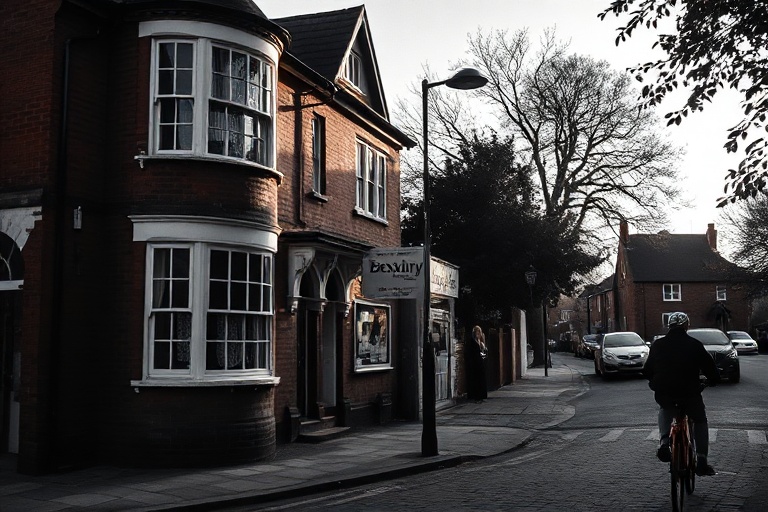
Bexley: London’s Hidden Suburban Gem Explored
Nestled in the southeastern corner of Greater London, Bexley stands as a testament to the region’s blend of historical charm and modern convenience. Often overshadowed by its more glamorous neighbors, this borough offers a quieter alternative with its leafy streets, well-preserved heritage, and growing cultural scene. While it may not command the same headlines as central London, Bexley’s evolution reflects broader trends in suburban living and urban planning across the UK.
A Brief History of Bexley
Bexley’s roots stretch back to Saxon times, though its development accelerated in the 19th and 20th centuries. Originally a collection of small villages, including Bexley, Bexleyheath, and Sidcup, the area transformed with the arrival of the railway in the 1860s. This connectivity spurred growth, turning Bexley into a desirable commuter destination for Londoners seeking space without sacrificing access to the city.
The borough’s name derives from the Old English Beax-lea, meaning “beeches clearing,” a nod to the dense woodlands that once dominated the landscape. Vestiges of this natural heritage remain in places like Foots Cray Meadows, one of London’s largest and most unspoiled green spaces. Meanwhile, architectural landmarks such as Hall Place—a 16th-century manor house—offer glimpses into Bexley’s past.
What Defines Bexley Today
Modern Bexley is a study in contrasts. On one hand, it retains a distinctly suburban character, with quiet residential streets, local markets, and a strong community feel. On the other, it’s home to thriving business parks, innovative educational institutions, and a burgeoning arts scene. This duality makes it an intriguing case study for urban planners and sociologists alike.
Key features of Bexley include:
- Transport Links: The borough is well-connected via the A2, M25, and Southeastern Railway, providing easy access to central London and beyond. Tramlink services also connect Bexleyheath to central destinations.
- Education: Bexley boasts some of London’s top-rated schools, including Bexley Grammar School and Beths Grammar School, both known for their academic excellence.
- Green Spaces: Beyond Foots Cray Meadows, Bexley offers parks like Danson Park, a sprawling Victorian estate with a lake, golf course, and children’s playgrounds.
- Local Economy: The borough hosts a mix of small businesses, retail hubs, and corporate offices, with growing sectors in tech and creative industries.
Cultural and Community Life
While Bexley may lack the high-profile cultural institutions of central London, it compensates with grassroots initiatives and community-driven projects. The Bexley Heritage Trust preserves and promotes the borough’s history through exhibitions, workshops, and guided walks. Meanwhile, local venues like the Erith Playhouse and Sidcup’s Beaverwood Club host live music, theatre, and comedy nights, fostering a vibrant arts scene.
Food and drink enthusiasts will find plenty to explore in Bexley’s independent cafés, gastropubs, and international eateries. The borough’s culinary landscape reflects its diversity, with everything from traditional British fare to authentic Asian and Mediterranean cuisine. Markets such as Bexley Market and Sidcup’s High Street offer fresh produce, artisanal goods, and a taste of local life.
The Broader Implications of Bexley’s Growth
Bexley’s trajectory mirrors wider patterns in suburban development across the UK. As housing prices in central London soar, more residents and businesses are looking to outer boroughs for affordability and space. This shift has implications for infrastructure, public services, and community cohesion. For instance, increased demand for housing has led to debates over development density and the preservation of green spaces.
Moreover, Bexley’s growth highlights the importance of balancing modernization with heritage. The borough’s commitment to preserving its historic sites—while investing in new housing and commercial projects—offers a model for other suburban areas facing similar challenges. This approach ensures that Bexley remains a desirable place to live, work, and visit without losing its unique character.
For those considering a move or visit, Bexley presents an opportunity to experience London’s diversity outside the traditional tourist zones. Its mix of history, nature, and community makes it a compelling alternative to the capital’s more hectic districts.
Exploring Further
If you’re interested in similar suburban destinations with urban appeal, explore our Travel and Culture sections for more insights and recommendations.
© 2023 Dave’s Locker. All rights reserved.