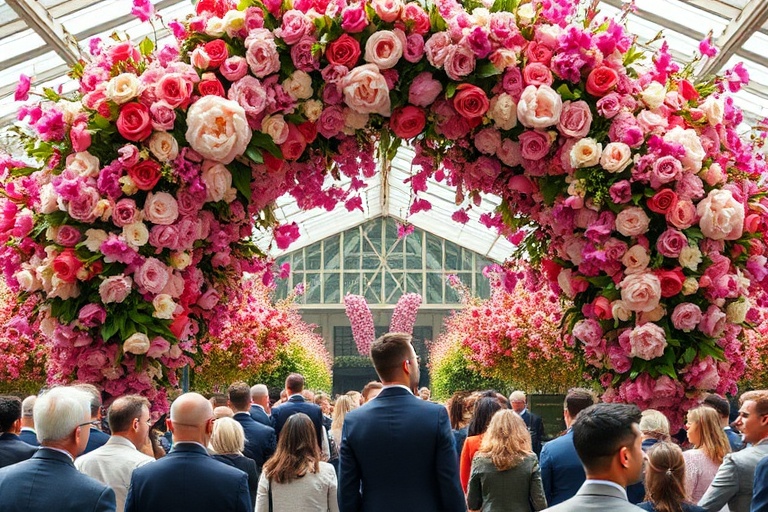
Chelsea Flower Show: 100 Years of Horticultural Innovation
The Royal Horticultural Society’s Chelsea Flower Show stands as a beacon of botanical innovation and horticultural artistry. Since its inception in 1913, the event has evolved from a modest gardening exhibition into one of the world’s most prestigious floral showcases. Held annually in the grounds of the Royal Hospital Chelsea, the show attracts over 160,000 visitors, including gardening enthusiasts, landscape architects, and royalty.
The Historical Significance of Chelsea Flower Show
Founded by the Royal Horticultural Society (RHS) to promote gardening and horticulture, the Chelsea Flower Show was initially a small event. Over the decades, it has grown into a global phenomenon, reflecting changes in society, technology, and environmental awareness. The show’s longevity is a testament to its ability to adapt while maintaining its core mission: celebrating the art and science of gardening.
During World War II, the show was canceled, a rare interruption in its history. Its resumption in 1947 marked a symbolic return to normalcy, reinforcing its role as a cultural touchstone. Today, the event serves not only as a platform for garden design but also as a barometer of contemporary trends in sustainability, urban greening, and biodiversity.
Evolution of Design and Innovation
The Chelsea Flower Show has consistently pushed the boundaries of garden design. In the 1950s and 1960s, formal gardens dominated, reflecting post-war optimism and a return to structured beauty. By the 1980s, the show began embracing more eclectic and experimental designs, incorporating elements of wild gardening and naturalistic planting.
In recent years, sustainability has become a central theme. Exhibitors now prioritize drought-resistant plants, recycled materials, and wildlife-friendly designs. The 2023 show, for instance, featured a garden made entirely from upcycled materials, highlighting the industry’s shift toward circular economy principles.
Key Highlights from Recent Chelsea Flower Shows
Each year, the Chelsea Flower Show unveils groundbreaking garden designs that captivate audiences. Below are some of the most notable trends and installations from the past decade:
- 2023: The RHS Queen Elizabeth II Platinum Jubilee Garden – A tribute to Queen Elizabeth II’s 70-year reign, this garden featured native British plants and a striking water feature symbolizing her enduring legacy.
- 2022: The Balance Garden – Designed by Joe Perkins, this garden addressed mental health and well-being through immersive planting and naturalistic water features.
- 2021: The New Blue Peter Garden – Created in collaboration with the BBC’s Blue Peter program, this garden was designed to inspire children to engage with nature and gardening.
- 2019: The Resilience Garden – A response to climate change, this garden demonstrated how resilient planting can thrive in extreme weather conditions.
The Role of Technology in Modern Horticulture
Technology has become an increasingly important aspect of the Chelsea Flower Show. From drone photography capturing aerial views of the gardens to augmented reality apps that provide interactive tours, the event embraces innovation. One standout example is the use of smart irrigation systems, which optimize water usage and reduce waste—a critical consideration in an era of climate uncertainty.
Additionally, the integration of biotechnology has led to the development of disease-resistant plant varieties. Exhibitors now showcase genetically modified or selectively bred plants that require fewer pesticides, aligning with the RHS’s commitment to sustainable horticulture.
Broader Implications: The Chelsea Flower Show’s Impact on Society
The Chelsea Flower Show is more than just a floral exhibition; it is a cultural and environmental influencer. Its impact extends beyond the showgrounds, shaping public attitudes toward gardening, conservation, and urban living.
One of the most significant contributions of the show is its role in promoting biodiversity. Each year, designers incorporate native plants and pollinator-friendly gardens, raising awareness about the importance of ecological balance. The RHS’s own research, often showcased at Chelsea, has led to the discovery of new plant varieties and gardening techniques that benefit both amateur gardeners and professional horticulturists.
The show also plays a vital role in education. Through workshops, demonstrations, and collaborations with schools, the RHS fosters the next generation of gardeners and environmental stewards. Initiatives like the Young Garden Designer competition encourage young people to explore horticulture as both a hobby and a potential career.
Economically, the Chelsea Flower Show is a boon for the horticulture industry. Exhibitors—ranging from small independent nurseries to multinational landscaping firms—benefit from increased visibility and sales. The event generates millions in revenue for local businesses, from hotels to catering services, underscoring its importance as an economic driver.
Moreover, the show’s influence extends to policy-making. Its advocacy for sustainable gardening practices has informed government initiatives, such as the UK’s National Pollinator Strategy. By demonstrating the viability of eco-friendly gardening on a large scale, Chelsea has helped shift public and political priorities toward environmental stewardship.
The Future of the Chelsea Flower Show
As the world grapples with climate change and urbanization, the Chelsea Flower Show is poised to evolve further. Future editions may place even greater emphasis on climate-resilient gardening, vertical farming, and the integration of technology in horticulture. The RHS has already begun exploring how gardens can contribute to carbon sequestration, a critical step in addressing the climate crisis.
Another potential direction is the expansion of digital engagement. Virtual reality tours, online workshops, and interactive exhibits could make the show more accessible to global audiences. This would not only broaden its reach but also reduce the environmental footprint associated with large-scale physical events.
The Chelsea Flower Show remains a vital institution in the world of horticulture. Its ability to blend tradition with innovation ensures its continued relevance. As society faces new challenges, the show’s role in promoting beauty, sustainability, and education will only grow in importance.
For those interested in exploring more about gardening trends and innovations, visit Dave’s Locker Trending and Culture sections for further insights.
Conclusion
The Chelsea Flower Show is a celebration of nature’s beauty and human ingenuity. For over a century, it has inspired millions to engage with the natural world, whether through gardening, conservation, or simply appreciating the artistry of floral design. As it moves forward, the show will undoubtedly continue to adapt, reflecting the changing needs and values of society. In an era of environmental challenges, the Chelsea Flower Show stands as a reminder of what can be achieved when creativity, science, and nature come together.