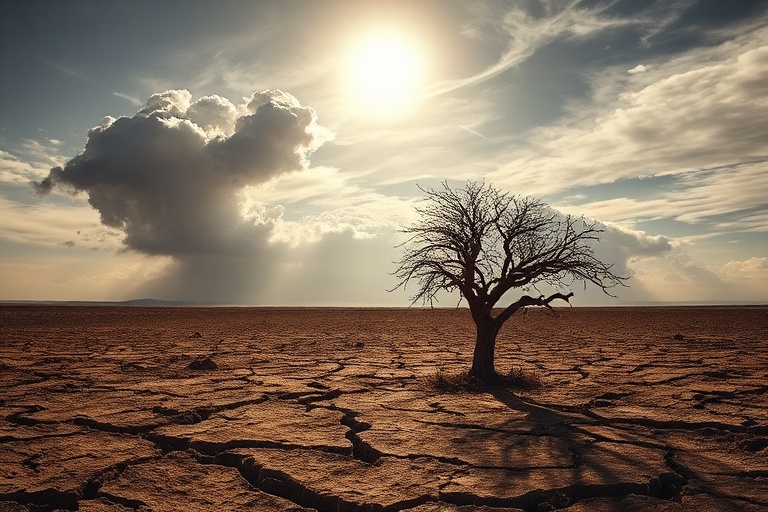
el nino weather pattern
Understanding the El Niño Weather Pattern
The El Niño weather pattern represents one of the most significant natural climate phenomena on Earth, capable of reshaping weather systems across the globe. Characterized by unusually warm ocean temperatures in the Equatorial Pacific, El Niño disrupts normal atmospheric circulation patterns, leading to dramatic shifts in temperature and precipitation worldwide. Its counterpart, La Niña, involves cooler-than-average Pacific waters and often follows El Niño events, creating a cyclical pattern that meteorologists monitor closely.
Historical records trace El Niño events back centuries, with indigenous populations in South America noting periodic disruptions in marine life and agricultural cycles. Modern scientific study began in earnest during the 20th century, as researchers established connections between Pacific Ocean warming and global weather anomalies. Today, sophisticated climate models and satellite technology allow for increasingly accurate predictions, though the phenomenon remains complex and sometimes unpredictable in its intensity.
How El Niño Develops
The formation of an El Niño event begins with changes in the trade winds that typically blow westward across the tropical Pacific. During neutral conditions, these winds push warm surface water toward Asia, allowing cooler water to upwell along South America. In an El Niño year, these trade winds weaken or even reverse direction, causing warm water to slosh back eastward toward the Americas.
This redistribution of heat disrupts the Walker Circulation, the large-scale atmospheric loop that normally lifts moist air over the western Pacific. As the warm pool migrates eastward, it triggers thunderstorms in unusual locations, particularly over the central and eastern Pacific. The resulting shift in atmospheric pressure patterns—known as the Southern Oscillation—further amplifies these changes, creating a feedback loop that sustains the El Niño conditions for months.
Meteorologists classify El Niño events based on the degree of ocean warming in a specific region of the Pacific, known as Niño 3.4. A weak event might see sea surface temperatures rise by 0.5°C to 0.9°C above average, while strong events can exceed 1.5°C. The most intense events, like the 1997-98 and 2015-16 episodes, have pushed temperatures more than 2°C above normal, with far-reaching consequences.
Global Weather Impacts of El Niño
The ripple effects of El Niño extend far beyond the Pacific basin, altering weather patterns on every continent except Antarctica. While the specific impacts vary by region and event strength, certain patterns emerge consistently:
- North America: The southern United States typically experiences wetter, cooler winters, while the northern states and Canada often face milder, drier conditions. Tornado activity in the Southeast may increase during El Niño springs.
- South America: Peru and Ecuador endure heavy rainfall and flooding, while northeastern Brazil suffers severe drought. Coastal fisheries collapse as warm water displaces nutrient-rich currents.
- Asia and Australia: Monsoon rains often fail in India, Indonesia, and Australia, leading to droughts and wildfires. The western Pacific experiences fewer tropical cyclones, while the central Pacific sees an uptick in storm activity.
- Africa: Southern Africa faces reduced rainfall and crop failures, while eastern equatorial regions may see enhanced precipitation. The Horn of Africa sometimes experiences flooding during El Niño years.
- Europe: Winter conditions become more unpredictable, with some regions experiencing colder-than-average temperatures despite the global warming trend.
These widespread disruptions carry significant economic consequences. Agriculture suffers as crops fail in drought-stricken regions, while flooding damages infrastructure and displaces communities. The insurance industry often bears the brunt of claims from natural disasters exacerbated by El Niño, with global losses sometimes exceeding $30 billion during strong events.
The Human and Environmental Toll
Beyond economic costs, El Niño exacerbates humanitarian crises in vulnerable regions. The 2015-16 event contributed to food shortages affecting over 60 million people worldwide, according to the United Nations. Drought conditions in Ethiopia led to severe malnutrition, while floods in Paraguay displaced hundreds of thousands. Fisheries in Peru, which normally account for 10% of global fish catch, collapsed during the event, devastating local economies.
Environmental impacts include coral bleaching events as warm waters stress reef systems, particularly in the Pacific. The Great Barrier Reef experienced severe bleaching during the 2016 El Niño, with scientists estimating that up to 30% of coral died in some areas. Increased wildfire activity in Indonesia releases massive amounts of carbon dioxide, temporarily accelerating global warming trends.
Health consequences often follow these environmental changes. Mosquito-borne diseases like malaria and dengue fever surge in regions where flooding creates standing water. Conversely, droughts reduce water quality, increasing the risk of waterborne illnesses. The mental health toll of displacement and economic hardship should not be underestimated, particularly in rural communities dependent on agriculture.
Predicting and Preparing for El Niño
Advances in climate science have improved El Niño prediction windows from a few months to nearly a year in advance. The National Oceanic and Atmospheric Administration (NOAA) and other agencies monitor a network of buoys, satellites, and computer models to track developing events. The key indicator remains sea surface temperatures in the Niño 3.4 region, though atmospheric conditions like wind patterns and cloud cover provide critical context.
Governments and organizations use these forecasts to implement early warning systems and mitigation strategies. In Peru, authorities have established protocols for flood control and evacuation planning during El Niño years. Farmers in Australia and India receive advisories about potential drought conditions, allowing them to adjust planting schedules or switch to drought-resistant crops.
However, challenges remain in translating predictions into effective action. In some regions, limited resources constrain response capabilities, while in others, political considerations may delay necessary preparations. The 1982-83 El Niño, which caused $8 billion in damages globally, caught many governments off guard due to inadequate monitoring systems at the time. Today’s improved forecasting has reduced such surprises, though surprises still occur in event intensity or regional impacts.
Individuals can also take steps to prepare for El Niño-related disruptions. Homeowners in flood-prone areas should review insurance policies and consider flood barriers. Urban residents can prepare for potential power outages by maintaining emergency supplies. Farmers and gardeners might explore crop varieties better suited to variable rainfall patterns.
El Niño and Climate Change: A Complex Relationship
As global temperatures rise due to human-caused climate change, scientists are investigating how this might influence El Niño patterns. Current research suggests that while the frequency of extreme El Niño events may increase, the overall number of events might not change dramatically. Climate models project more frequent “super El Niños” that bring unprecedented warming to the eastern Pacific.
These stronger events could amplify the impacts of climate change in certain regions. For example, the combination of El Niño-induced droughts and rising temperatures might accelerate desertification in already vulnerable areas. Conversely, some regions that benefit from El Niño’s cooler, wetter conditions might see those advantages diminish over time.
The relationship between El Niño and climate change also works in reverse. The strong 2015-16 El Niño contributed to a temporary spike in global temperatures, making that year the warmest on record at the time. The subsequent release of stored ocean heat during the event further contributed to atmospheric warming.
Understanding this interplay remains an active area of research. Scientists continue to refine climate models to better capture the nuances of El Niño behavior in a warming world. This knowledge will be crucial for policymakers developing adaptation strategies for both short-term weather extremes and long-term climate trends.
Looking Ahead: The Future of El Niño
The next decade will likely bring both challenges and opportunities in managing El Niño’s impacts. On one hand, improved forecasting and early warning systems offer hope for reducing human suffering and economic losses. On the other, the compounding effects of climate change may intensify the most severe impacts of these events.
International cooperation will be essential in addressing these challenges. The World Meteorological Organization’s Global Framework for Climate Services provides a model for sharing data and best practices across borders. Regional partnerships, like those between Pacific island nations, help vulnerable communities build resilience against climate extremes.
For the average person, staying informed about El Niño forecasts can provide valuable time to prepare. While we cannot prevent these natural cycles, understanding their patterns allows us to mitigate their worst effects. Whether through personal preparedness or supporting community resilience efforts, everyone has a role to play in navigating the challenges posed by El Niño.
The story of El Niño is ultimately one of interconnectedness—how a shift in ocean temperatures halfway across the world can ripple through ecosystems, economies, and lives. By studying these patterns with humility and foresight, we can better prepare for the challenges they present while appreciating the remarkable complexity of Earth’s climate systems.
For those interested in exploring further, resources like Dave’s Locker Science section offer additional insights into climate phenomena and their broader impacts on our world.