Every August, cities across the country transform. The air hums with energy as festivals, sports, and spontaneous gatherings fill the calendar. These two weeks become a microcosm of summer’s peak—a time when routines loosen, crowds surge, and the city’s rhythm feels different. From blockbuster concerts to local street fairs, August’s second half brings a unique convergence of culture, sport, and community.
The Pulse of Urban Life in Mid-August
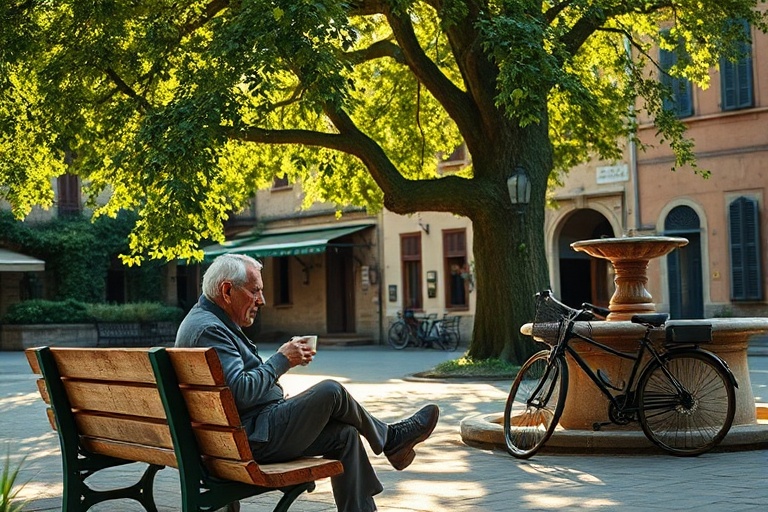
Mid-August is when the city’s heartbeat quickens. Office workers return from short getaways, tourists flood downtown districts, and long summer evenings encourage extended outdoor activity. Public parks become stages for impromptu concerts and yoga sessions, while rooftop bars fill with patrons watching the sunset over skylines. This is the moment when urban life feels most alive—not in the rush of spring or the calm of winter, but in the warm, buzzing present.
In many cities, this period marks the final major wave of tourism before schools reopen. Hotels in downtown cores report occupancy rates above 90%, with families and solo travelers alike seeking one last taste of summer. Public transit systems see ridership spikes during evenings and weekends, as people move between events rather than commuting to work. The energy is palpable—conversations on buses and trains feel more open, strangers share tips about pop-up events, and the city feels temporarily smaller, more connected.
Cultural institutions also lean into the moment. Museums extend evening hours, outdoor film series draw hundreds nightly, and pop-up markets sell everything from artisanal ice cream to handmade jewelry. These aren’t just tourist traps; they’re community hubs where locals rediscover their own neighborhoods. The contrast between daytime quiet and evening bustle creates a dynamic rhythm unique to August.
Sports, Screens, and Summer Spectacles
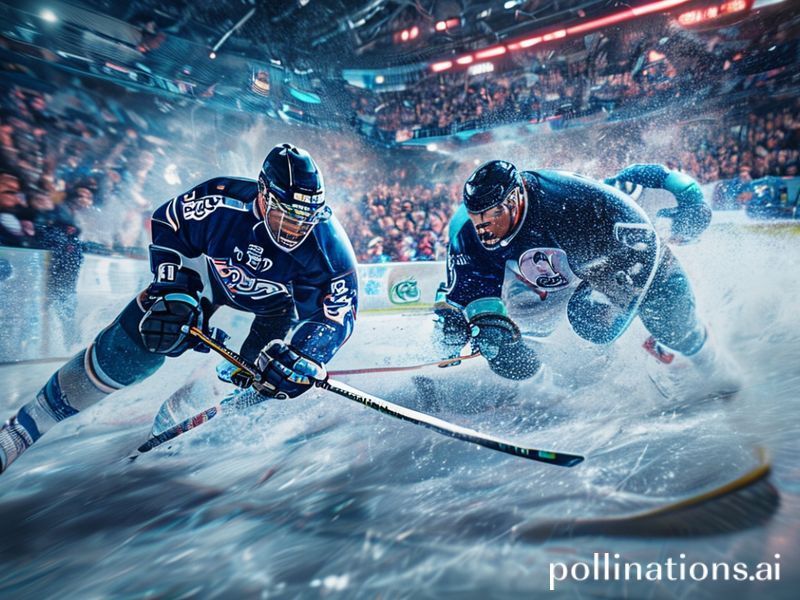
Sports often take center stage during these two weeks. The MLB pennant races heat up, with division leads shifting daily. NBA teams play preseason games in empty arenas, testing new lineups before training camps open. Soccer clubs host international friendlies, drawing fans who might not typically attend matches. Even minor league baseball teams—like the ones featured on Dave’s Locker Sports—see attendance boom, with promotions like dollar-beer nights and fireworks post-game drawing families and die-hard fans alike.
Television ratings reflect this energy. Prime-time sports broadcasts draw millions, while streaming services see surges in live event viewership. The convergence of live sports and cultural events creates a shared national experience—even if viewers are watching from different cities, they’re watching the same games, the same viral moments, the same summer stories unfolding.
Beyond traditional sports, alternative competitions gain traction. Esports tournaments fill convention centers, with players competing for prize pools that now rival some traditional sporting events. Skateboarding demos, BMX competitions, and even e-bike races draw crowds in parks and parking lots. These events reflect a broader cultural shift: Gen Z and Millennials are redefining what “sport” means, blending athleticism with digital culture and community engagement.
What’s Drawing Crowds This August
- MLB pennant races: Divisional races in both leagues are tighter than expected, with wild-card spots still up for grabs in multiple cities.
- Preseason NBA games: Teams are testing new rosters, and fans are getting first looks at rookie sensations and returning stars.
- International soccer friendlies: Clubs like Manchester City and Barcelona are playing exhibition matches in U.S. stadiums, drawing global audiences.
- Esports championships: Titles like Valorant and League of Legends are hosting major tournaments with six-figure prize pools.
- Local street festivals: Cities like Austin, Portland, and Nashville are hosting multi-day events featuring food, music, and art from local creators.
The Quiet Revolution: Local Creators and Pop-Ups
While major events dominate headlines, August’s second half is also a golden opportunity for local creators. Musicians book last-minute gigs at intimate venues. Artists curate pop-up galleries in empty storefronts. Chefs launch temporary menus at food halls. These aren’t just filler events—they’re part of a quiet revolution in how cities support independent talent.
Social media amplifies this trend. A single viral post can turn a backyard concert into a must-attend event or a food truck line into a two-hour wait. Platforms like TikTok and Instagram don’t just promote these gatherings; they create them. Trends like “secret shows” or “underground dinners” rely on digital word-of-mouth, turning August into a month where discovery feels organic and immediate.
This is also when legacy institutions take risks. Symphony orchestras perform in parks. Theaters host readings of new plays. Libraries turn into venues for comedy nights and author talks. The goal isn’t just to attract audiences—it’s to redefine what “culture” can be in a city. These aren’t replacements for big-ticket events; they’re complements, filling gaps and creating layers in the cultural fabric.
The Unseen Side: Heat, Health, and Hidden Challenges
Yet for all its vibrancy, mid-August isn’t without its challenges. Heatwaves grip cities from Phoenix to Philadelphia, straining power grids and testing public health systems. Emergency rooms see spikes in heat-related illnesses, particularly among outdoor workers and elderly residents. Cities respond with cooling centers and extended pool hours, but the strain is real—a reminder that summer’s peak can also be its most perilous.
Air quality becomes another concern. Wildfire smoke from western states drifts east, turning skies hazy and triggering alerts for sensitive groups. Even in cities far from the fires, residents with asthma or heart conditions face added risks. Public health officials urge caution, but the message competes with the allure of outdoor events. It’s a tension that defines August: beauty and danger, celebration and caution, all existing in the same breath.
Beyond health, there’s the issue of accessibility. While major festivals and concerts are well-marketed, smaller events often lack signage or transportation options. Residents in lower-income neighborhoods may find themselves excluded from the excitement due to cost or distance. Cities are increasingly addressing this with free shuttle services and subsidized tickets, but gaps remain. August’s energy shouldn’t be exclusive—and yet, too often, it is.
Why These Two Weeks Matter
These two weeks in August are more than a calendar blip. They’re a cultural reset—a moment when cities shed their usual routines and embrace something fleeting and alive. It’s a time for rediscovery: of neighborhoods, of talent, of community. The events may be temporary, but their impact lingers in the memories of those who attend, the connections they forge, and the stories they’ll tell come winter.
For those who work in hospitality, the arts, or event planning, August is both a marathon and a sprint. The hours are long, the crowds are relentless, and the pressure to deliver flawless experiences is high. But there’s also a sense of pride in being part of something bigger—a city alive with possibility, even if only for a few weeks.
As summer winds down and Labor Day looms, these mid-August days become a bittersweet reminder: the best moments aren’t the ones we plan years in advance, but the ones that surprise us when we least expect them. Whether it’s stumbling upon a jazz set in a hidden courtyard or cheering on a local baseball team in a packed stadium, these are the experiences that define a city’s soul.
So enjoy them. Breathe in the warm air. Stay hydrated. And don’t forget to look around—because these two weeks in August might just be the highlight of the year.