Chelsea Flower Show: Where Horticulture Meets High Society
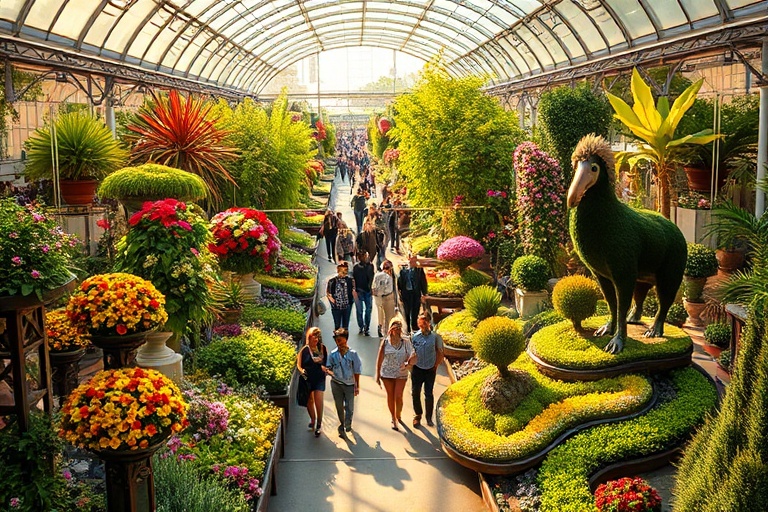
The Royal Horticultural Society’s Chelsea Flower Show stands as one of the most prestigious events in the horticultural calendar. Each May, this iconic exhibition transforms the grounds of the Royal Hospital Chelsea into a vibrant tapestry of floral innovation and botanical artistry. More than just a flower show, Chelsea represents a convergence of tradition, cutting-edge design, and social spectacle that has captivated audiences for over a century.
The show’s origins trace back to 1862 when the Royal Horticultural Society began organizing floral competitions. However, it wasn’t until 1913 that the event settled into its current Chelsea location, where it has grown into an international showcase of gardening excellence. Today, the five-day exhibition attracts over 160,000 visitors annually, including garden enthusiasts, landscape professionals, and curious members of the public eager to witness the latest trends in horticulture.
The Evolution of Chelsea: From Victorian Origins to Modern Masterpieces
What began as a modest floral competition has transformed into a global benchmark for garden design. The show’s evolution reflects broader changes in horticultural practices, artistic expression, and societal values. In its early years, Chelsea primarily featured traditional Victorian bedding displays and herbaceous borders. However, the mid-20th century saw a shift toward more naturalistic planting schemes and innovative design concepts.
By the 1980s, Chelsea had embraced contemporary aesthetics, with designers incorporating architectural elements and conceptual approaches. This progression culminated in shows like 2019’s “The Welcome to Yorkshire Garden,” which featured a striking steel and glass structure representing the region’s industrial heritage alongside lush planting. The 2023 Best in Show winner, “The Lemon Tree Trust Garden,” demonstrated how Chelsea continues to champion sustainable design through refugee community-inspired landscapes.
Today’s Chelsea showcases several distinct garden categories:
- Show Gardens: Large-scale installations judged for their innovation, horticultural excellence, and design. These often push boundaries with sustainable materials and climate-resilient planting.
- Artisan Gardens: Smaller, handcrafted displays celebrating traditional skills and materials. These frequently incorporate elements like willow weaving, dry stone walling, and native plant species.
- Fresh Gardens: Experimental spaces exploring new concepts in urban gardening and biodiversity. These designs often address pressing environmental concerns through creative solutions.
- Balcony and Container Gardens: Compact displays demonstrating how horticulture can thrive in limited spaces, appealing to urban gardeners with practical yet beautiful solutions.
The Business of Chelsea: Where Horticulture Meets High Society
Beyond its horticultural significance, Chelsea serves as a major networking event for the gardening and landscape industries. Trade days on Monday and Tuesday attract professionals from around the world, creating opportunities for collaboration and business development. The show’s influence extends far beyond its five-day run, with many designs later being recreated in private gardens, public spaces, and commercial developments.
The economic impact of Chelsea is substantial. In 2023, the show generated an estimated £20 million for the local economy, with hotels, restaurants, and transport services all benefiting from the influx of visitors. For exhibitors, the prestige of winning a Chelsea medal can translate into increased business opportunities and media exposure. Many nurseries report significant sales spikes following their participation in the show.
Chelsea also plays a crucial role in shaping industry trends. Recent years have seen a marked shift toward sustainability, with designers increasingly focusing on:
- Water conservation techniques and drought-resistant planting
- Biodiversity enhancement through native species and pollinator-friendly designs
- Recycled and repurposed materials in garden construction
- Climate adaptation strategies for urban environments
The show’s influence extends to education as well. Through its various initiatives, Chelsea helps foster the next generation of horticultural professionals. The RHS School Gardens Campaign, launched in partnership with the show, provides resources and support to over 1,000 schools across the UK, promoting gardening as both a practical skill and a tool for wellbeing.
Behind the Scenes: The Making of a Chelsea Garden
Creating a garden for Chelsea is a year-long process that demands meticulous planning, exceptional horticultural skill, and significant financial investment. The journey begins with the design phase, typically 12-18 months before the show. Designers work closely with horticulturalists to develop planting schemes that balance aesthetic appeal with practical considerations like seasonal timing and maintenance requirements.
Construction of show gardens begins in earnest around six months before the event. Teams of skilled craftspeople and gardeners work tirelessly to transform design concepts into reality. The physical build is often completed just days before the show opens, with final touches including planting, mulching, and installation of decorative elements.
One of the most challenging aspects of Chelsea garden construction is the transportation of mature plants. Many gardens feature specimen trees and shrubs that have been carefully cultivated for years. These plants require specialized handling to ensure they arrive in optimal condition, often traveling in custom-built containers with sophisticated irrigation systems.
The horticultural expertise required for Chelsea extends beyond mere planting. Designers must consider:
- Soil composition and drainage requirements
- Microclimatic conditions within the showground
- Seasonal growth patterns and flowering times
- Long-term maintenance requirements
Many exhibitors use Chelsea as an opportunity to trial new plant varieties. The show has become an important platform for plant breeders to showcase their latest creations, with many varieties gaining commercial release following their Chelsea debut. The “Plant of the Year” competition, judged by the public, has become particularly influential in driving consumer interest in new ornamental plants.
Why Chelsea Matters: Preserving Tradition While Embracing Innovation
The Chelsea Flower Show occupies a unique position at the intersection of tradition and innovation. It honors centuries-old horticultural practices while serving as a proving ground for cutting-edge ideas. In an era of increasing environmental awareness, Chelsea has become particularly important as a platform for discussing and demonstrating sustainable gardening practices.
The show’s enduring appeal lies in its ability to adapt while maintaining its core values. Recent innovations have included gardens that address pressing social issues, such as the 2022 “A Garden for the National Health Service” which highlighted the importance of green spaces for mental health and wellbeing. Other gardens have focused on specific environmental challenges, like the 2021 “The Yeo Valley Organic Garden” which demonstrated organic growing techniques on a large scale.
For many visitors, Chelsea represents more than just a horticultural exhibition. It’s an opportunity to reconnect with nature, learn about new gardening techniques, and find inspiration for their own outdoor spaces. The show’s community engagement programs, including workshops and talks, help demystify gardening and encourage broader participation in horticultural activities.
The future of Chelsea looks set to continue its trajectory toward greater sustainability and inclusivity. Recent years have seen increased representation of diverse voices in garden design, with designers from different backgrounds bringing fresh perspectives to traditional horticultural practices. The show has also expanded its digital offerings, providing virtual tours and online resources to engage audiences beyond the physical event.
As climate change continues to reshape our relationship with the natural world, Chelsea’s role as a forum for discussion and demonstration becomes ever more important. The gardens on display offer tangible solutions to environmental challenges, from flood mitigation to urban cooling. They also serve as powerful reminders of the therapeutic benefits of gardening and our deep connection to the natural world.
For those who have experienced Chelsea firsthand, the show leaves an indelible impression. The combination of natural beauty, human creativity, and horticultural excellence creates an atmosphere that is both uplifting and thought-provoking. Whether you’re a seasoned gardener, a design professional, or simply someone who appreciates the beauty of plants, Chelsea offers something truly special.
As we look to the future, the Chelsea Flower Show remains committed to its core mission: to inspire and educate through the art and science of horticulture. In doing so, it continues to shape the way we think about and interact with the natural world, one garden at a time.