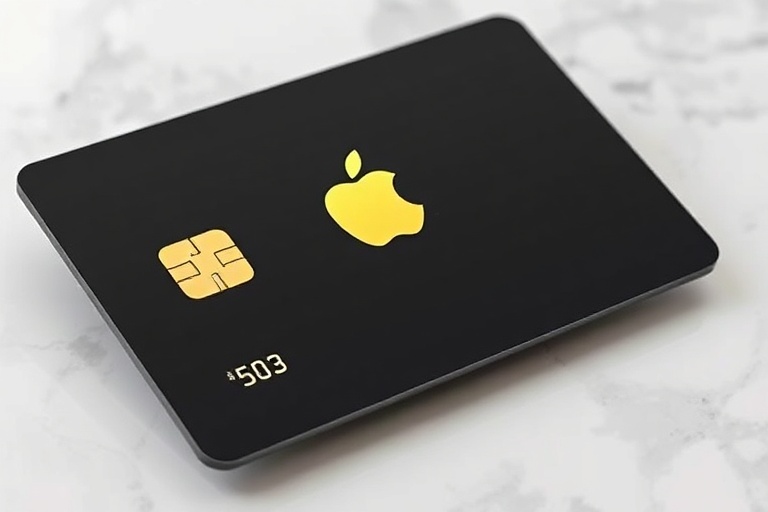
Apple’s foray into financial services with its proprietary credit card in 2019 marked a bold step beyond hardware and software. The Apple Card, developed in collaboration with Goldman Sachs, was positioned not just as a payment tool but as a lifestyle product designed for iPhone users. Nearly five years after its launch, its impact on consumer behavior, the credit industry, and Apple’s broader ecosystem continues to unfold.
How Apple Card Stands Apart from Traditional Credit Cards
Unlike conventional credit cards, Apple Card was built with an emphasis on transparency, integration, and user experience. It eliminated late fees and penalties, offered a flat cash-back structure, and provided real-time transaction tracking directly in the Wallet app. The card’s titanium design and minimalist aesthetic reinforced Apple’s brand identity—clean, premium, and intuitive.
One of its most distinctive features is Daily Cash, which returns a percentage of spending back to users daily via Apple Cash, rather than waiting for a monthly statement. This gamified reward system encourages consistent use and reinforces Apple’s ecosystem loyalty.
Security was another focal point. Apple Card uses a unique card number stored on the device, not on a physical card, and supports Face ID or Touch ID for authentication. Transactions are flagged in real time, and users can instantly lock or unlock the card with a tap in the Wallet app.
Key Features of Apple Card
- No annual or late fees: A departure from industry norms that prioritized revenue through penalties.
- Daily Cash rewards: Up to 3% back on Apple purchases, 2% on other purchases made with Apple Pay, and 1% on everything else.
- Instant fraud alerts: Real-time notifications for suspicious transactions.
- Privacy-first design: Minimal data collection, with Goldman Sachs owning transaction data rather than Apple.
- Seamless integration with Apple Pay: Encourages digital wallet adoption and reduces reliance on physical cards.
The Broader Impact on Consumer Finance and Tech
Apple Card didn’t just enter the credit card market—it redefined what a credit card could be in the digital age. By leveraging Apple’s massive user base and its reputation for seamless integration, the card accelerated the shift toward mobile-first financial services. It also demonstrated how tech giants could disrupt traditional banking by focusing on user experience over legacy systems.
This move reflected a larger trend: the blurring of lines between technology and finance. Companies like Google (with Google Pay) and Amazon (with store cards) have followed similar strategies, embedding financial tools into their ecosystems. Apple, however, went further by co-creating a product with a major bank while maintaining control over the user interface and data flows.
Critics argued that Apple Card lacked the flexibility and rewards depth of premium travel cards like Chase Sapphire or Amex Platinum. Yet, its appeal wasn’t in competing with elite rewards programs—it was in simplifying finance for the average user. By removing complexity and providing clear, immediate benefits, Apple made credit cards feel less intimidating.
Challenges and Criticisms: Was It All Smooth Sailing?
Despite its innovative design, Apple Card faced scrutiny early on. In 2019, Apple and Goldman Sachs were accused of gender bias in credit limit approvals, with women receiving lower limits than men with similar financial profiles. The companies denied intentional discrimination but admitted the algorithm had flaws. This incident highlighted the risks of relying on opaque AI-driven decision-making in financial services.
Another challenge was adoption. While Apple Card was designed for iPhone users, not all were ready to abandon traditional banking relationships. Many consumers still preferred cards tied to their primary banks or those offering robust travel perks. The lack of a physical card also deterred some users accustomed to swiping in stores or at ATMs.
Additionally, the Daily Cash rewards, while attractive, were limited in scope. High-spending users found better value elsewhere, and the 1% base return on non-Apple Pay purchases was modest compared to competitors. Over time, Apple expanded the cash-back categories, but the card remained best suited for Apple-centric lifestyles.
What’s Next for Apple Card and Digital Finance?
Apple has continued to refine the Apple Card experience. In 2023, it introduced Apple Pay Later, a buy-now-pay-later feature integrated into the Wallet app, further embedding Apple Card into daily spending habits. This move positioned Apple not just as a payment facilitator but as a flexible financial partner.
The long-term vision appears to be a fully integrated financial ecosystem—where users manage savings, spending, and even investments through Apple devices. With the expansion of Apple Financial Services, we may see more banking-like features, such as high-yield savings accounts or credit-building tools, all accessible within the same interface.
For the credit industry, Apple Card’s success has forced incumbents to rethink their digital strategies. Banks are accelerating mobile app development, investing in AI-driven personal finance tools, and exploring partnerships with tech platforms. The message is clear: the future of credit lies in convenience, transparency, and seamless integration with daily life.
Why Apple Card Matters Beyond the Card Itself
- Sets new expectations for transparency: By eliminating fees and offering real-time insights, it raised the bar for user trust in financial products.
- Accelerates the decline of physical cards: As digital wallets grow, the traditional credit card may become obsolete for many consumers.
- Proves tech companies can succeed in finance: Apple’s entry validated the idea that user experience, not just financial engineering, drives adoption.
- Highlights the risks of algorithmic bias: The early controversy underscored the need for ethical AI in financial decision-making.
- Paves the way for embedded finance: The next wave of financial services won’t live in standalone apps but within the apps people use daily.
Conclusion: More Than a Card, a Statement
Apple Card is more than a credit card—it’s a statement about the future of personal finance. It demonstrates how a company with a loyal user base can redefine an entire industry by prioritizing clarity, integration, and user empowerment. While it may not dethrone the most lucrative rewards cards, its influence extends far beyond its user base.
As digital finance continues to evolve, Apple Card serves as both a model and a cautionary tale. It shows what’s possible when technology and finance converge thoughtfully. Yet, it also reminds us that innovation must be paired with accountability, especially when algorithms shape real-world outcomes like credit access.
For consumers, Apple Card is a compelling option—particularly for those already embedded in the Apple ecosystem. For the industry, it’s a wake-up call. The days of opaque, fee-laden credit cards are numbered. The future belongs to tools that are simple, secure, and seamlessly woven into daily life.
This article was written for Dave’s Locker and reflects the views of the author.