California’s Peach Orchards Are Vanishing—Here’s Why
Why California’s Peach Orchards Are Disappearing
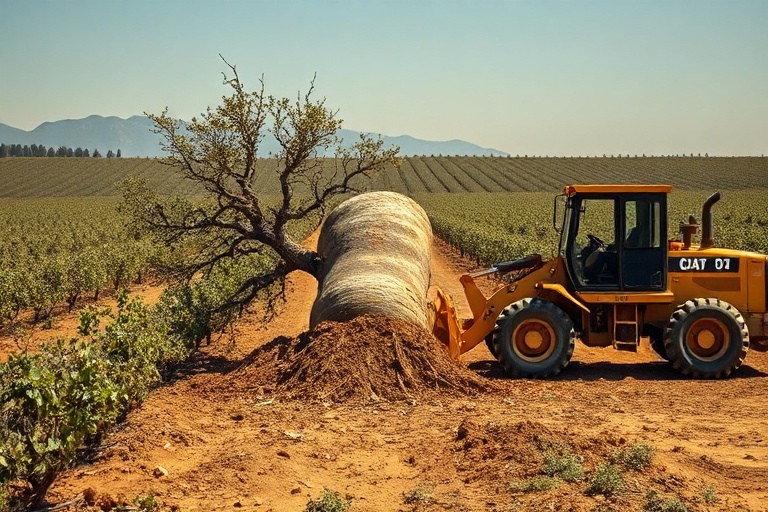
The rolling hills of California’s Central Valley once produced nearly 70% of the United States’ peaches. Today, the orchards are thinning. Farmers are removing peach trees at an accelerating rate, replacing them with almonds, pistachios, or even grapevines. This shift is driven by economics, climate pressures, and changing consumer tastes. The decline of California’s peach industry reflects broader trends in global agriculture, where traditional fruit production struggles against newer, more profitable crops.
Peaches have been cultivated in California since the late 18th century, introduced by Spanish missionaries. By the mid-20th century, the state had become synonymous with high-quality stone fruit. However, the past two decades have seen a steady decline in planted acreage. According to the USDA, California lost over 15,000 acres of peach orchards between 2010 and 2022. The reasons behind this loss are complex, intertwining market forces with environmental challenges.
The Economic Forces Behind the Shift
Peach farming has always been labor-intensive. Harvesting requires careful hand-picking to avoid bruising, and the fruit has a short shelf life compared to nuts or dried fruits. Rising labor costs and stricter immigration policies have squeezed profit margins. Meanwhile, tree nuts like almonds and pistachios offer higher returns with lower harvesting costs. A single acre of almonds can generate three times the revenue of an acre of peaches.
Water availability adds another layer of pressure. California’s water rights system favors permanent crops like almonds, which can command higher priority during droughts. Peach trees, while less thirsty than almonds, still require consistent irrigation. Farmers face a stark choice: invest in water infrastructure for peaches or switch to crops that promise greater financial stability.
Global trade has also played a role. China, once a major importer of California peaches, has ramped up domestic production. At the same time, Chile and other Southern Hemisphere countries now supply fresh peaches to North America during the off-season, increasing competition. These factors have made it harder for California growers to maintain profitability.
Climate Change and Agricultural Adaptation
California’s peach industry is particularly vulnerable to climate change. Warmer winters reduce the number of chilling hours peach trees need to produce fruit. In some regions, insufficient chilling has led to erratic yields and smaller fruit sizes. Extreme heatwaves, like those in 2020 and 2021, can scorch developing fruit and stress trees to the point of decline.
Farmers are responding by experimenting with new varieties that require fewer chilling hours. However, these varieties often lack the flavor and market appeal of traditional peaches. Some growers are also turning to hybrid rootstocks that are more drought-resistant, but these solutions come with higher upfront costs and uncertain long-term results.
The broader trend in California agriculture is toward crops that can withstand climate volatility. Almonds, for instance, are more drought-tolerant than peaches and can be harvested mechanically. Pistachios, another popular alternative, require less water and have seen a boom in planting. As climate patterns shift, the peach orchards that once defined the Central Valley may become relics of a different era.
The Cultural Impact of Losing Peach Orchards
Peaches are more than just a crop; they are woven into California’s cultural identity. The annual Cling Peach Festival in Yuba City celebrates a fruit that has sustained generations of farming families. Local markets and roadside stands once overflowed with varieties like Fay Elberta and Halford, each with its own devoted following. The disappearance of these orchards erodes not just economic livelihoods but also a sense of place.
Globally, the decline of California’s peach industry mirrors shifts in other traditional fruit-growing regions. In Spain, peach production has moved from Catalonia to more arid regions in Murcia, where water scarcity is less of an issue. In Italy, high labor costs have led to the consolidation of peach farms into larger, mechanized operations. These changes reflect a worldwide trend: traditional fruit farming is giving way to crops that align with modern economic and environmental realities.
Yet, there are efforts to preserve California’s peach legacy. Some small-scale farmers are reviving heirloom varieties, selling directly to consumers through farmers’ markets and CSAs. Organizations like the California Cling Peach Board are investing in marketing campaigns to promote locally grown peaches. These initiatives highlight the tension between tradition and adaptation, a struggle playing out in agricultural communities worldwide.
What the Future Holds for California’s Peaches
The future of peaches in California is uncertain. While the state will likely remain a peach producer, the scale of production is expected to shrink further. Farmers will continue to weigh the costs and benefits of keeping peach orchards against alternative crops. Consumer demand may also play a role; as awareness grows about the environmental and cultural costs of monoculture farming, some may seek out locally grown peaches as a premium product.
For now, the peach orchards of California’s Central Valley are disappearing, one tree at a time. The transition reflects broader changes in global agriculture, where economic pragmatism often outweighs tradition. Yet, in the shadows of these economic decisions, there is a quieter story—one of farmers adapting, of communities preserving heritage, and of a fruit that, despite its challenges, still holds a place in the hearts of many.
For those interested in the intersection of food, culture, and economics, this shift offers a compelling case study. It’s a reminder that even in an era of globalization, local choices shape the landscape in profound ways. Whether peaches will remain a staple of California’s agriculture or become a seasonal luxury remains to be seen. What is clear is that the decisions being made today will resonate for decades to come.
To explore more about how agricultural trends are shaping global food systems, visit our Food category. For insights into how climate change is impacting farming, check out our Science section.
Key Takeaways
- California has lost over 15,000 acres of peach orchards since 2010 due to economic and environmental pressures.
- Tree nuts like almonds and pistachios offer higher profits and lower labor costs, driving the shift away from peaches.
- Climate change is reducing chilling hours, making it harder for peach trees to thrive in traditional growing regions.
- Cultural traditions tied to peach farming, such as festivals and local markets, are at risk as orchards disappear.
- Efforts to preserve heirloom varieties and promote local peaches highlight the tension between tradition and adaptation.
Looking Ahead
The story of California’s peach orchards is far from over. As farmers, scientists, and consumers grapple with the challenges of modern agriculture, the future of peaches may yet hold surprises. Whether through innovation, preservation, or a renewed appreciation for local food systems, there is still a chance to keep the legacy of California peaches alive.