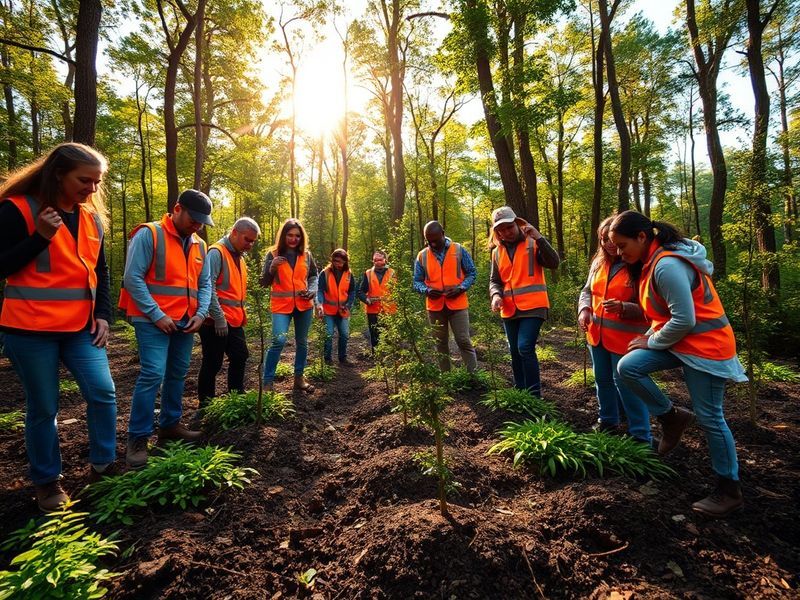
Earth Day 2024: Why Environmental Action Still Matters in 2024
“`html
Earth Day: Why Environmental Action Still Matters in 2024
Since its inception in 1970, Earth Day has served as a global reminder of humanity’s relationship with the planet. What began as a grassroots teach-in about environmental degradation has evolved into one of the world’s largest civic observances, mobilizing millions across 193 countries. In 2024, the stakes have never been higher. Climate records continue to fall, ecosystems face unprecedented strain, and public engagement with sustainability shows both progress and persistent gaps.
The Origins and Evolution of Earth Day
The first Earth Day emerged from a convergence of activism and tragedy. Senator Gaylord Nelson, inspired by the anti-war protests of the 1960s, sought to harness that energy for environmental causes. The date—April 22—was chosen strategically: it fell between spring break and final exams, maximizing student participation. Over 20 million Americans took part in demonstrations, teach-ins, and clean-up efforts, leading to the creation of the Environmental Protection Agency (EPA) and landmark laws like the Clean Air Act and Clean Water Act.
Today, Earth Day is marked by digital campaigns, corporate pledges, and community clean-ups. While the scale has grown, critics argue that the event risks becoming performative without sustained action. The modern iteration blends education with advocacy, pushing for systemic change beyond individual behavior. Schools integrate environmental curricula, while cities host tree-planting drives and policy forums. The challenge lies in converting awareness into measurable impact.
Why Earth Day Matters More Than Ever in 2024
Climate science warns that the next decade will be decisive in limiting global warming to 1.5°C. Earth Day 2024 arrives amid alarming trends: 2023 was the hottest year on record, and atmospheric carbon dioxide levels now exceed 420 parts per million—far above pre-industrial levels. Yet, solutions exist. Renewable energy costs have plummeted, with solar and wind now cheaper than fossil fuels in most regions. Electric vehicle sales are surging, and reforestation projects are gaining momentum.
However, progress is uneven. Developing nations often bear the brunt of environmental crises despite contributing least to emissions. Corporate accountability remains inconsistent, with greenwashing muddying the waters. Meanwhile, geopolitical tensions complicate global cooperation on climate finance and technology transfer. Earth Day serves as a vital counterbalance, spotlighting inequities and demanding collective responsibility.
This year’s theme, “Planet vs. Plastics,” zeroes in on a critical battleground. Over 400 million tons of plastic waste are produced annually, with less than 10% recycled. Microplastics contaminate water supplies, harm marine life, and pose risks to human health. The campaign calls for a 60% reduction in plastic production by 2040 and a global treaty to end plastic pollution. Such targets underscore Earth Day’s role as both a rallying cry and a pressure point for policymakers.
Key Takeaways from Earth Day’s Global Impact
- Policy Leverage: Earth Day has historically catalyzed landmark legislation, proving that public pressure can translate into legal frameworks.
- Corporate Shifts: Major brands now tie sustainability to ESG (Environmental, Social, and Governance) metrics, though scrutiny over authenticity persists.
- Youth Engagement: Gen Z and younger millennials drive climate activism, using social media to hold leaders accountable.
- Technological Innovation: Breakthroughs in carbon capture, lab-grown materials, and circular economies offer new pathways for sustainability.
- Local Action: Community gardens, urban forests, and zero-waste initiatives demonstrate that change begins at the grassroots level.
How Individuals Can Move Beyond Earth Day
The criticism of Earth Day as a one-off event highlights a broader truth: environmentalism must be continuous, not seasonal. While collective action is essential, individual choices still matter. Reducing meat consumption, minimizing single-use plastics, and supporting sustainable brands can collectively drive demand for greener alternatives. Yet, systemic change requires more than consumer habits—it demands systemic accountability.
Voting with ballots and wallets remains one of the most effective tools. Supporting leaders with strong climate agendas, divesting from fossil fuel-linked institutions, and advocating for local green policies can amplify impact. Education also plays a pivotal role: schools and workplaces can embed sustainability into daily operations, from energy-efficient buildings to waste-reduction programs.
For those seeking deeper involvement, organizations like Dave’s Locker’s Environment section offer resources on eco-friendly living, policy analysis, and community initiatives. Tracking legislative updates or joining regional climate groups can turn awareness into action. The goal isn’t to replace Earth Day but to build upon it, ensuring that every day contributes to a healthier planet.
A Call to Reimagine Our Relationship with the Planet
Earth Day’s legacy is a testament to what collective action can achieve. Yet, the urgency of the climate crisis demands a rethinking of our approach. Sustainability isn’t just about reducing harm—it’s about restoring balance. This means reimagining cities as green spaces, economies as circular systems, and societies as stewards of biodiversity.
The solutions exist; the challenge lies in scaling them. From Indigenous land stewardship to cutting-edge renewable technologies, diverse models offer pathways forward. What’s needed now is the political will, corporate responsibility, and public engagement to turn these models into reality. Earth Day reminds us that the planet’s future isn’t predetermined—it’s a choice we make, day by day, through the policies we support, the products we buy, and the values we uphold.
As the adage goes, “We do not inherit the Earth from our ancestors; we borrow it from our children.” Earth Day isn’t just a date on the calendar—it’s a reminder of that debt and the responsibility it entails.