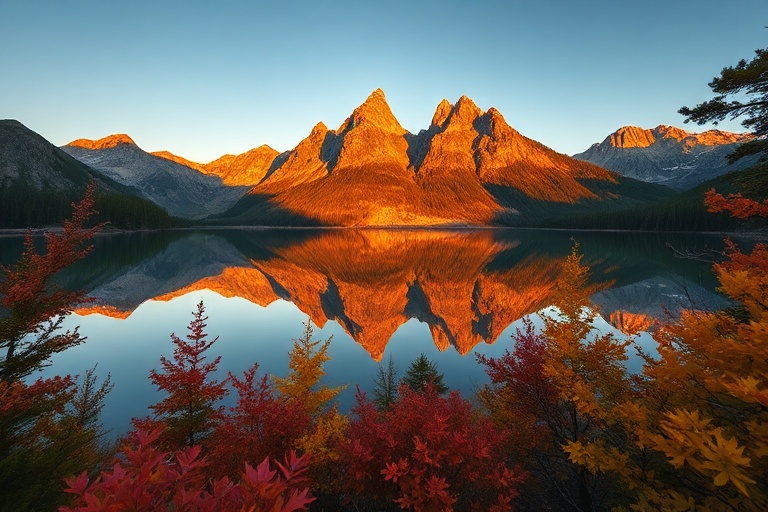
Nestled against the Canadian border in Montana, Glacier National Park remains one of the most pristine natural wonders in the United States. Established in 1910, this 1,583-square-mile expanse of rugged mountains, turquoise lakes, and ancient glaciers draws over three million visitors annually. Yet beyond its breathtaking scenery lies a sobering reality: its namesake ice formations are vanishing at an alarming rate.
The park’s glaciers, some of which date back thousands of years, have shrunk dramatically over the past century. In 1850, Glacier National Park was home to an estimated 150 glaciers. Today, fewer than 30 remain, and scientists predict they could disappear entirely within decades. This transformation is driven by climate change, which has accelerated glacial retreat across the Rocky Mountains. The loss of these ice formations isn’t just an environmental concern—it’s a harbinger of broader ecological shifts that could reshape the park’s delicate ecosystem.
The Geological and Ecological Significance of Glacier National Park
Glacier National Park is a geological marvel, formed by the collision of tectonic plates millions of years ago. The park’s dramatic landscapes, including the Lewis Overthrust Belt and the rugged peaks of the Continental Divide, tell a story of ancient earth-shaping forces. Its glaciers, though diminished, still play a critical role in the park’s hydrology. They feed into pristine alpine lakes and rivers, sustaining ecosystems that rely on cold, clean water.
The park’s biodiversity is equally impressive. It is home to over 1,000 plant species, 71 mammal species, and 276 bird species. Grizzly bears, wolves, and lynx roam its vast wilderness, while bull trout and rare western glacier stoneflies thrive in its cold waters. The loss of glaciers disrupts these habitats, altering water temperatures and flow patterns that species have depended on for millennia.
Key Features of Glacier National Park
- Going-to-the-Sun Road: A 50-mile scenic drive that traverses the park’s most iconic landscapes, including Logan Pass and the Continental Divide.
- Waterton Lakes National Park: A Canadian counterpart that, together with Glacier, forms the world’s first International Peace Park.
- Many Glacier: A remote region known for its stunning turquoise lakes, including Lake McDonald and Swiftcurrent Lake.
- Grinnell Glacier: One of the park’s most studied glaciers, which has retreated nearly 2 miles since 1850.
The Science Behind the Melting Glaciers
Researchers have documented the rapid decline of Glacier National Park’s glaciers through a combination of historical photographs, satellite imagery, and direct measurements. A study by the U.S. Geological Survey found that the park’s glaciers lost an average of 39% of their area between 1966 and 2015. The rate of melting has accelerated in recent years, with some glaciers retreating by as much as 100 feet annually.
The primary driver of this retreat is rising global temperatures. Since the late 19th century, average temperatures in the region have increased by nearly 2°F, with winters warming at twice the rate of summers. This warming trend reduces winter snowpack, which is essential for glacier formation and maintenance. Additionally, earlier snowmelt in the spring leads to longer, drier summers, further stressing the remaining ice.
Human activity, particularly the emission of greenhouse gases, is the dominant factor behind this warming. The burning of fossil fuels, deforestation, and industrial agriculture have all contributed to the atmospheric changes that are now reshaping Glacier National Park. While the park itself is a protected area, its fate is inextricably linked to global environmental policies and actions taken—or not taken—thousands of miles away.
The Broader Implications of Glacial Loss
The disappearance of glaciers in Glacier National Park is more than an aesthetic loss; it’s a symptom of a larger environmental crisis. Glaciers worldwide are retreating at unprecedented rates, with consequences that extend far beyond national parks. In the American West, glacial meltwater is a vital source of freshwater for agriculture, cities, and ecosystems. As these ice reserves dwindle, water scarcity becomes an increasingly pressing issue for millions of people.
In Glacier National Park, the loss of glaciers also threatens the park’s tourism industry, which generates over $1 billion annually for the local economy. Visitors come to see these ancient ice formations, and their disappearance could diminish the park’s appeal. The National Park Service is already adapting by promoting other attractions, such as hiking trails and wildlife viewing, but the loss of glaciers remains a poignant reminder of the challenges posed by climate change.
Beyond the park’s borders, glacial retreat has global implications. Rising sea levels, altered ocean currents, and disrupted weather patterns are all consequences of melting ice. Glacier National Park, though remote, is a microcosm of these larger trends. Its struggles highlight the urgent need for climate action, from reducing carbon emissions to protecting and restoring critical habitats.
What Can Be Done to Preserve Glacier National Park?
While the loss of Glacier National Park’s glaciers may seem inevitable, there are steps that can be taken to mitigate the damage and adapt to the changes. The National Park Service has implemented strategies to reduce the park’s carbon footprint, such as transitioning to renewable energy sources and promoting sustainable tourism. Visitors are encouraged to use public transportation, reduce waste, and stay on marked trails to protect fragile ecosystems.
On a broader scale, policy changes at the federal and global levels are essential. The U.S. has rejoined the Paris Climate Agreement, a step toward international cooperation on reducing greenhouse gas emissions. However, more aggressive action is needed to limit warming to 1.5°C, the threshold scientists say is necessary to avoid the worst impacts of climate change. Protecting Glacier National Park—and the countless other natural wonders at risk—requires collective effort.
For those who visit Glacier National Park, the experience can be both awe-inspiring and humbling. Standing before a glacier that has existed for millennia, only to see it vanish in a human lifetime, is a powerful reminder of our planet’s fragility. It’s a call to action—not just for policymakers, but for every individual who values the natural world.
Whether through advocacy, sustainable living, or simply spreading awareness, there are ways for everyone to contribute to the preservation of places like Glacier National Park. The glaciers may be melting, but the fight to protect this iconic landscape is just beginning.
For more on how climate change is affecting natural wonders, explore our travel section. To learn about conservation efforts in protected areas, visit our science coverage.