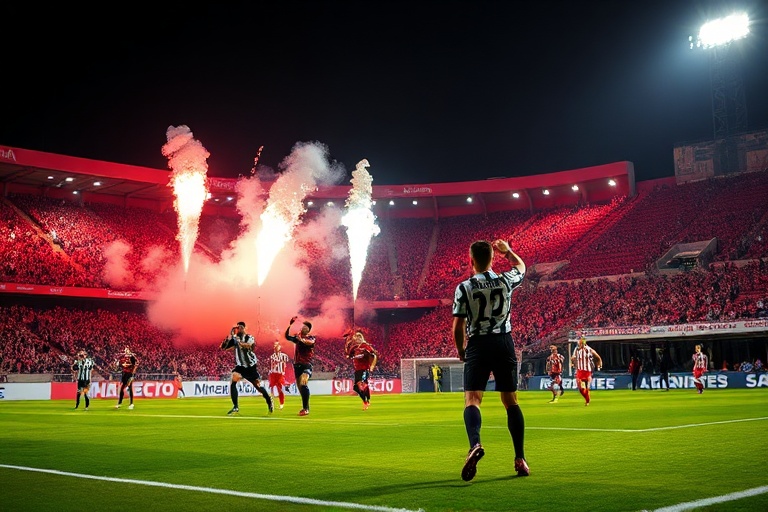
The fixture between River Plate and Rosario Central is more than just a football match. It is a clash of cultures, histories, and identities that resonates deeply within Argentine society. While the Superclásico between River and Boca Juniors often steals the spotlight, the rivalry between River and Rosario Central carries its own weight, shaped by geography, class, and footballing philosophy.
This fixture, known as the “Clásico del Río de la Plata,” transcends the boundaries of Buenos Aires. Rosario Central, based in the industrial city of Rosario, represents the working-class spirit of Argentina’s interior. River Plate, with its roots in the affluent Núñez neighborhood of Buenos Aires, embodies the cosmopolitan elite. Their encounters on the pitch reflect these broader societal tensions, making every match a microcosm of Argentina’s social fabric.
The Historical Roots of the Rivalry
The rivalry between River Plate and Rosario Central dates back to the early 20th century, when Argentine football was still in its formative years. The two clubs first met in 1913, and their encounters quickly became fixtures of regional pride. While River Plate was founded in 1901 and became a symbol of Buenos Aires’ growing middle and upper classes, Rosario Central was established in 1889 by British railway workers, giving it a blue-collar identity that would define its legacy.
The geographical divide between the two clubs is crucial to understanding their rivalry. Buenos Aires, as Argentina’s political and economic center, has always been a focal point for cultural and sporting narratives. Rosario, Argentina’s third-largest city, has historically been an industrial hub with a strong working-class tradition. This contrast has fueled the rivalry, with fans of both clubs viewing the fixture as a battle between the capital’s sophistication and the interior’s grit.
Over the decades, the rivalry has produced memorable moments, from dramatic comebacks to controversial refereeing decisions. One of the most iconic matches took place in 1974, when Rosario Central defeated River Plate 3-1 in the Copa Libertadores, a result that symbolized the interior’s ability to challenge Buenos Aires’ dominance in Argentine football.
Cultural and Social Significance
The River Plate vs Rosario Central rivalry is deeply embedded in Argentina’s cultural consciousness. It is not just about football; it is about identity. For Rosario Central fans, known as “canallas,” the club represents resilience and authenticity. The term “canalla” itself is a point of pride, originally used as an insult by River Plate supporters but reclaimed as a badge of honor by Rosario Central’s faithful.
River Plate, on the other hand, has long been associated with success and glamour. The club’s nickname, “Los Millonarios,” reflects its reputation as a team of wealth and prestige. This contrast in identities has made their matches a battleground not just for points, but for cultural supremacy. When the two teams meet, it is as much about proving which city and which way of life is superior as it is about football.
The rivalry also highlights the broader tensions within Argentine football. While clubs from Buenos Aires have traditionally dominated the domestic league, teams from the interior—like Rosario Central—have often punched above their weight in continental competitions. This dynamic has forced River Plate and other Buenos Aires giants to respect the challenge posed by teams from outside the capital.
Key Matches and Turning Points
The history of River Plate vs Rosario Central is filled with matches that have left a lasting impact on Argentine football. Below is a list of some of the most significant encounters between the two clubs:
- 1974 Copa Libertadores: Rosario Central defeated River Plate 3-1 in a group-stage match that announced the interior’s arrival on the continental stage. The victory was a statement, proving that teams from outside Buenos Aires could compete with the country’s elite.
- 1999 Torneo Clausura: River Plate secured a 2-1 win in a tightly contested match that kept their title hopes alive. The match was notable for its intensity, with both sets of fans creating an electric atmosphere in Rosario.
- 2010 Torneo Clausura: A 1-1 draw in Buenos Aires saw both teams share the points, but the match was remembered for a dramatic late equalizer by Rosario Central. The result dampened River Plate’s title celebrations and added to the rivalry’s unpredictability.
- 2018 Copa Argentina: River Plate eliminated Rosario Central in the round of 16, winning 1-0 in a tightly contested match. The victory was part of River’s dominant run in the competition, which they eventually won.
These matches are more than just historical footnotes; they are chapters in a story that continues to unfold. Each encounter between River Plate and Rosario Central adds a new layer to their rivalry, ensuring that it remains one of Argentine football’s most compelling narratives.
The Modern Era: A Rivalry in Transition
In recent years, the River Plate vs Rosario Central rivalry has evolved alongside Argentine football itself. The rise of television broadcasting and digital media has brought the fixture to a global audience, exposing new fans to the drama and intensity of the matches. Meanwhile, changes in the domestic league structure have given teams from the interior more opportunities to challenge Buenos Aires’ traditional powerhouses.
For River Plate, the rivalry remains a priority, even as the club pursues continental glory in competitions like the Copa Libertadores. The matches against Rosario Central are seen as opportunities to assert dominance and reinforce their status as one of Argentina’s elite clubs. For Rosario Central, every match is a chance to defy expectations and prove that the interior’s footballing culture is as rich and competitive as that of the capital.
Off the pitch, the rivalry has also taken on new dimensions. Social media has amplified the banter and trash talk between fans, while merchandise and memorabilia from both clubs are now sold worldwide. The global reach of the fixture has turned it into a cultural export, showcasing the passion and diversity of Argentine football.
Despite these changes, the core of the rivalry remains unchanged. It is still about pride, identity, and the eternal struggle between the center and the periphery. Whether played in Rosario, Buenos Aires, or on a neutral ground abroad, the matches between River Plate and Rosario Central are guaranteed to deliver drama, passion, and a reminder of why Argentine football is unlike any other in the world.
Conclusion: Why This Rivalry Matters
The rivalry between River Plate and Rosario Central is a testament to the power of football to reflect and shape societal values. It is a clash of cultures, classes, and identities that transcends the boundaries of the pitch. In an era where football is increasingly globalized, this fixture remains a reminder of the local roots that give the game its soul.
For fans, the matches between River Plate and Rosario Central are more than just sporting events; they are rituals of belonging. They are opportunities to celebrate pride, to challenge stereotypes, and to assert the unique character of their respective cities. In a country as diverse and complex as Argentina, this rivalry is a microcosm of the nation itself—diverse, passionate, and unapologetically itself.
As long as football is played in Argentina, the rivalry between River Plate and Rosario Central will endure. It is a story without an end, a narrative that continues to be written with every match, every goal, and every moment of drama that unfolds on the pitch.