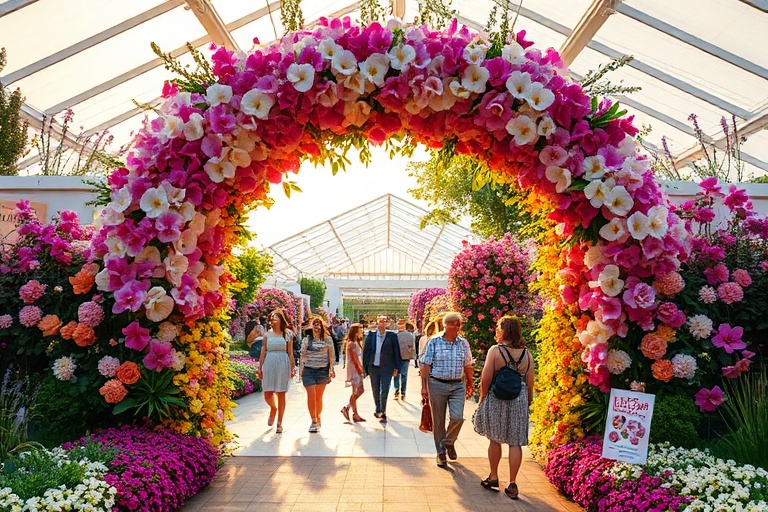
Chelsea Flower Show 2026: Global Gardens and Green Innovation
Chelsea Flower Show 2026: A Global Showcase of Horticultural Innovation
The 2026 edition of the RHS Chelsea Flower Show is set to open its gates once again, promising a vibrant fusion of tradition and cutting-edge horticulture. Returning to its iconic grounds at the Royal Hospital Chelsea from May 19 to 23, the event continues to evolve as a global stage where nations, designers, and artists converge to redefine the boundaries of garden design. With sustainability taking center stage, this year’s show will highlight how gardens can serve as both aesthetic marvels and ecological solutions.
Global Inspirations: Designs Shaped by Diverse Cultures
The Chelsea Flower Show has long been a melting pot of international creativity, and 2026 will be no exception. This year, the show will feature a special exhibition titled Roots Across Continents, curated to celebrate the botanical heritage of six continents. Each garden in the exhibition will draw from the flora, climate, and cultural traditions of its represented region, offering visitors a journey through ecosystems from the Mediterranean to the Amazon.
Designers from Japan, Kenya, and Brazil are among those contributing to the exhibition. Their work will challenge conventional Western garden aesthetics, emphasizing harmony with local environments. For instance, the Japanese-inspired garden will incorporate minimalist stone arrangements and native maples, while the Kenyan entry will showcase drought-resistant succulents and indigenous grasses, reflecting the country’s arid landscapes.
“Gardens have always been a reflection of human culture,” says Emma Green, a landscape architect involved in the exhibition. “By bringing these diverse perspectives to Chelsea, we’re not just displaying plants; we’re telling stories of resilience, adaptation, and beauty.”
Sustainability as a Cornerstone: Gardens That Give Back
Sustainability is no longer an optional theme at Chelsea—it’s a requirement. The 2026 show will introduce a new category: The Regenerative Garden, which will reward designs that actively restore ecosystems. Judges will evaluate entries based on water efficiency, carbon sequestration, and biodiversity support.
One standout project in this category is The Carbon Capture Garden, designed by a team from the University of Edinburgh. The garden features fast-growing shrubs and biochar-infused soil to maximize carbon absorption. Solar-powered irrigation and rainwater harvesting systems further reduce its environmental footprint. “We’re proving that gardens can be both beautiful and functional in the fight against climate change,” explains lead designer Dr. Priya Kapoor.
The show will also highlight urban gardening solutions, with several exhibits demonstrating how small-scale green spaces can mitigate heat islands in cities. These installations align with the UK’s broader push for greener urban planning, including initiatives like London’s Urban Greening Factor.
Technology Meets Nature: The Digital Garden
In an era where technology permeates every aspect of life, Chelsea 2026 will explore how innovation can enhance—rather than replace—natural beauty. The Digital Garden exhibition will showcase interactive installations that blend horticulture with digital art, augmented reality (AR), and even artificial intelligence (AI).
Visitors will be able to walk through a garden where flowers change color based on soil moisture levels, detected by embedded sensors. Another installation will use AI to generate real-time poetry from the colors and scents of blooming plants. “This isn’t about replacing the tactile experience of a garden,” says curator Liam Chen. “It’s about adding layers of engagement that make people see plants in new ways.”
The exhibition will also feature a workshop on smart gardening, where attendees can learn how to use apps and IoT devices to optimize their own green spaces. Topics will include soil health tracking, automated watering systems, and even robotic pollinators—though, as one exhibitor joked, “No one’s replacing bees just yet.”
Community and Education: Growing the Next Generation
Beyond the show gardens, Chelsea 2026 will place a strong emphasis on education and community engagement. The Young Horticulturists’ Hub will offer hands-on workshops for children, teaching them about plant biology, composting, and sustainable design. Organizers hope these activities will inspire the next wave of gardeners and conservationists.
One notable program is the School Garden Competition, where primary and secondary schools across the UK submit designs for their own garden projects. Winners will have their gardens built on-site during the show and receive funding to develop them further. “We want to show kids that gardening isn’t just about digging in the dirt,” says competition coordinator Sarah Whitmore. “It’s about creativity, science, and community.”
The show will also host panel discussions on topics like food security and rewilding, featuring experts from organizations such as the Soil Association and the Wildlife Trusts. These sessions aim to bridge the gap between hobby gardeners and professional conservationists, fostering a broader conversation about the role of gardens in ecological health.
A Look Ahead: What to Expect in 2026
As the world grapples with climate change and urbanization, the Chelsea Flower Show 2026 positions itself as more than just a display of floral artistry. It’s a platform for dialogue, innovation, and action. With its blend of global perspectives, technological integration, and sustainability-focused designs, the show reflects the evolving relationship between humans and the natural world.
For those attending, the experience will be both nostalgic and forward-thinking. The iconic Great Pavilion will once again house breathtaking displays of orchids, chrysanthemums, and rare carnivorous plants, while the newest gardens will challenge perceptions of what a garden can—and should—be. Whether it’s the whisper of bamboo in a Japanese-inspired retreat or the hum of solar panels powering an AR flower, Chelsea 2026 promises to be a sensory and intellectual feast.
As the event approaches, anticipation builds not just among horticulture enthusiasts but also among policymakers, educators, and environmentalists. The lessons learned on these Chelsea lawns may well ripple outward, influencing garden design, urban planning, and conservation efforts worldwide.
For now, the gardens are still in the making. But one thing is certain: when the gates open in May, the world will be watching.