chorley
Nestled in the heart of Lancashire, Chorley is a town that often flies under the radar despite its rich heritage and vibrant community life. With a population of around 35,000, it offers a quieter alternative to nearby cities like Preston and Bolton, yet it boasts a unique identity shaped by centuries of industry, natural beauty, and cultural evolution.
The town’s name, derived from the Old English words “ceorl” (peasant) and “leah” (wood or clearing), hints at its agricultural roots. Yet Chorley’s story is far from simple. From the rise of the textile industry to its role in the Industrial Revolution, and from its wartime contributions to its modern-day cultural scene, Chorley has continually reinvented itself while preserving its character.
In this article, we explore what makes Chorley special—not just as a place to live or visit, but as a living testament to the resilience and adaptability of Northern England’s communities.
The Industrial Heartbeat: How Chorley Shaped Lancashire’s Economy
Chorley’s transformation from a rural market town to an industrial powerhouse began in the 18th century. The town became a key player in Lancashire’s cotton trade, home to numerous mills that powered the region’s economy. One of the most notable was the Gillibrand Mill, built in 1824, which stood as a symbol of Chorley’s industrial ambition.
But Chorley’s industrial legacy extends beyond textiles. The town was also a centre for coal mining, with the Cannel coal seams providing fuel for both local industry and wider Lancashire. The Chorley Coalfield, though smaller than others in the region, played a crucial role in supporting the town’s growth during the 19th century.
Even today, remnants of this industrial past can be seen in the architecture and infrastructure of the town. The former mill buildings, now repurposed into residential and commercial spaces, serve as a reminder of Chorley’s working-class roots and its contribution to the UK’s industrial heritage.
- Key industrial sites: Gillibrand Mill, Chorley Coalfield, and the Leeds and Liverpool Canal (which facilitated trade and transport)
- Economic shift: From textiles and coal to modern manufacturing and service industries
- Cultural impact: The working-class ethos that shaped Chorley’s identity and community spirit
Nature and Recreation: Chorley’s Green Escape
Despite its industrial past, Chorley is surrounded by stunning natural landscapes. To the east lies the West Pennine Moors, a vast expanse of heather-covered hills and rugged terrain that provides a stark contrast to the town’s urban core. The moors are a haven for walkers, cyclists, and nature enthusiasts, offering panoramic views and a sense of tranquillity.
One of the most popular outdoor destinations is Anglezarke Reservoir, a picturesque spot ideal for walking, picnicking, and birdwatching. The reservoir, built in the early 20th century to supply water to the region, is now a Site of Special Scientific Interest (SSSI) and a favourite among locals.
Closer to the town centre, Astley Park provides a green oasis with its woodlands, gardens, and the historic Astley Hall. This 17th-century manor house, now a museum, offers a glimpse into Chorley’s aristocratic past and is a testament to the town’s layered history.
The balance between urban and natural environments makes Chorley an appealing place for those who seek both convenience and outdoor adventure. It’s a reminder that even in a post-industrial age, nature remains central to the town’s appeal.
Cultural Threads: Music, Arts, and Community Spirit
Chorley’s cultural scene is a vibrant tapestry woven from local traditions and contemporary creativity. The town has a strong musical heritage, most famously as the birthplace of the indie rock band The Long Blondes, whose 2006 debut album Someone to Love You put Chorley on the map for music fans. The band’s success highlighted the town’s ability to produce original talent despite its modest size.
Beyond music, Chorley has a thriving arts community. The Chorley Arts and Heritage Centre hosts exhibitions, workshops, and performances, fostering a sense of local pride and cultural engagement. Meanwhile, the town’s annual festivals, such as the Chorley Food Festival and the Chorley Pride celebrations, bring people together and showcase the diversity of the community.
The town’s working-men’s clubs, a traditional feature of Northern England, have also played a role in shaping its social fabric. These clubs, often overlooked in broader cultural discussions, have been vital spaces for community bonding, live music, and social events for generations.
Chorley’s cultural identity is not about grandeur or fame. Instead, it’s rooted in grassroots creativity and a strong sense of belonging. This makes it a compelling case study in how smaller towns can nurture creativity and community spirit.
Chorley Today: Challenges and Opportunities
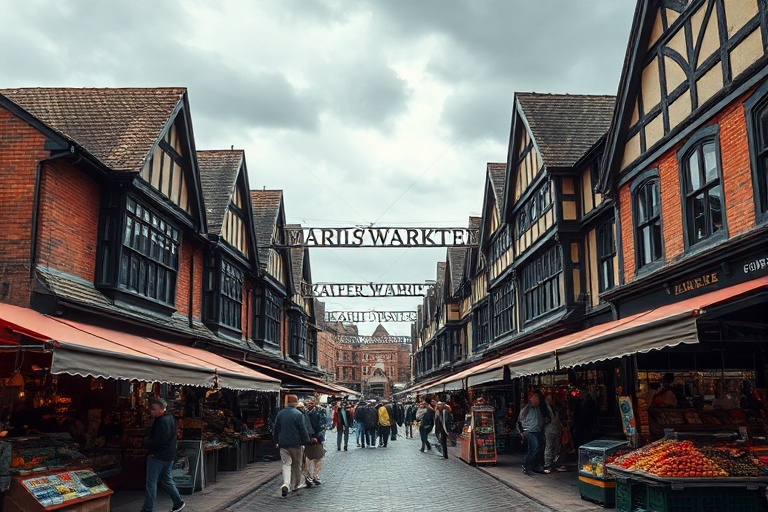
Like many towns in post-industrial Britain, Chorley faces challenges. Economic shifts have left some areas in need of regeneration, and the decline of traditional industries has required the town to adapt. However, Chorley is not standing still. Initiatives to revitalise the town centre, such as the development of the Market Hall and improvements to pedestrian access, are signs of a community looking to the future.
One area of opportunity lies in sustainable tourism. With its mix of history, nature, and culture, Chorley has the potential to attract visitors seeking an authentic Northern experience. The town’s proximity to the Lake District and other major attractions also positions it as a gateway for explorers looking to venture beyond the usual tourist hotspots.
Education and innovation are also key to Chorley’s future. The town is home to the University of Central Lancashire’s (UCLan) campus in nearby Preston, and collaborations between local businesses and educational institutions could drive future growth. Meanwhile, the rise of remote working presents an opportunity for Chorley to attract new residents who value its affordability and quality of life.
Ultimately, Chorley’s future will be shaped by its ability to balance preservation and progress. The town’s history is a strength, but it must also embrace change to thrive in the 21st century.
A Look Ahead: What’s Next for Chorley?
- Regeneration projects: Plans to modernise the town centre and improve infrastructure
- Cultural investment: Expanding arts and music initiatives to attract visitors and talent
- Sustainable development: Balancing growth with environmental conservation, particularly in the West Pennine Moors
- Community engagement: Strengthening local networks to ensure inclusive decision-making
Chorley may not be the first town that comes to mind when thinking of Northern England’s highlights, but its story is one of quiet resilience and understated charm. From its industrial roots to its natural beauty and cultural vibrancy, Chorley offers a compelling narrative of adaptation and community.
For those willing to look beyond the surface, Chorley reveals itself as a town with depth, character, and a bright future. It’s a place where history and modernity coexist, where nature and urban life intertwine, and where the spirit of Lancashire lives on.
Explore more about Northern England’s cultural and historical landscape by visiting Culture on Dave’s Locker or Travel on Dave’s Locker.