The Rise of the Springfield Thunderbirds
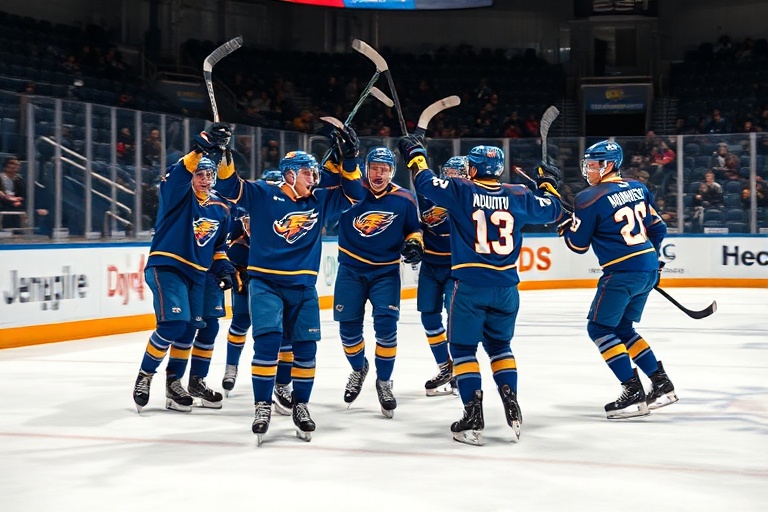
The Springfield Thunderbirds have quietly established themselves as a standout franchise in the American Hockey League (AHL), blending tradition with modern innovation. Founded in 2016 after the relocation of the former Springfield Falcons, the Thunderbirds inherited a rich hockey legacy while forging their own identity. Based in Springfield, Massachusetts, the team plays at the historic MassMutual Center, a venue that has hosted countless sporting events and concerts since its opening in 1972.
Unlike their predecessors, the Thunderbirds quickly gained traction by prioritizing fan engagement and community involvement. Their inaugural season saw an average attendance of over 5,000 fans per game, a testament to their ability to connect with local supporters. This success wasn’t accidental. The ownership group, led by the publicly traded company PBC Acquisitions LLC, invested heavily in marketing, player development, and experiential game nights to create a welcoming atmosphere.
A Global Perspective on Minor League Hockey
The Thunderbirds’ success reflects broader trends in minor league sports, where franchises are increasingly viewed as cultural hubs rather than just athletic teams. In North America, minor league hockey has evolved into a multi-million-dollar industry, with teams like the Thunderbirds acting as feeder systems for the National Hockey League (NHL). This symbiotic relationship benefits both leagues: NHL teams gain access to top-tier prospects, while AHL franchises like Springfield thrive as entertainment destinations.
Globally, minor league sports have become a model for how regional teams can sustain themselves financially while building loyal fan bases. In Europe, leagues such as Germany’s DEL2 and the UK’s EIHL have adopted similar strategies, emphasizing community ties and affordable family-friendly entertainment. The Thunderbirds’ approach—focusing on affordability, accessibility, and interactive experiences—mirrors these international trends, proving that minor league hockey can compete with major sports in terms of fan engagement.
The Thunderbirds’ Impact on Springfield’s Community
Beyond the rink, the Thunderbirds have woven themselves into Springfield’s social fabric. Their community outreach programs, which include youth hockey clinics, school visits, and charity partnerships, have made them a beloved institution in the city. One notable initiative is the “Thunderbirds Reading Challenge,” where players visit local schools to promote literacy among young fans—a creative way to merge sports and education.
The team’s presence has also had economic ripple effects. According to a 2022 study by the University of Massachusetts, the Thunderbirds generated over $20 million in annual revenue for the local economy, from ticket sales to restaurant and hotel bookings on game nights. This financial boost is particularly significant for a city like Springfield, which has faced economic challenges in recent decades. The Thunderbirds have become a point of pride for residents, symbolizing the city’s resilience and ambition.
On-Ice Success and Challenges
While the Thunderbirds have excelled off the ice, their on-ice performance has been a mix of triumph and struggle. In their first five seasons, the team reached the Calder Cup playoffs twice but failed to advance past the second round. Their 2022-23 season, however, marked a turning point. Under the leadership of head coach Ryan Warsofsky, Springfield finished second in the Atlantic Division and made a deep playoff run, ultimately falling to the Hershey Bears in the Eastern Conference Finals. This performance solidified their reputation as a competitive franchise and earned Warsofsky the AHL’s Coach of the Year award.
Yet, the Thunderbirds face ongoing challenges, particularly in player development. Like all AHL teams, they rely on NHL affiliates to supply top prospects, which can lead to roster turnover and inconsistency. Additionally, the financial pressures of operating in a mid-sized market require careful budget management. Despite these hurdles, the Thunderbirds have maintained stability, thanks in part to their strong local fan base and strategic partnerships with sponsors like MassMutual and Big Y Foods.
The Future of the Thunderbirds and Minor League Hockey
Looking ahead, the Springfield Thunderbirds are poised to continue their upward trajectory. Plans for arena upgrades, including enhanced fan amenities and sustainability initiatives, are in the works to keep the MassMutual Center competitive with newer venues. The team has also expressed interest in expanding its digital presence, leveraging social media and streaming platforms to reach fans beyond Western Massachusetts.
For minor league hockey, the Thunderbirds serve as a case study in how franchises can thrive by balancing tradition with innovation. Their success underscores the importance of community, adaptability, and strong leadership—qualities that resonate far beyond the rink. As the AHL continues to grow, teams like Springfield will play a pivotal role in shaping the future of professional hockey, both in North America and globally.
Why the Thunderbirds Matter
The Springfield Thunderbirds are more than just a hockey team; they are a cultural and economic asset for their city and a model for minor league sports worldwide. Their ability to blend athletic competition with community engagement and financial sustainability offers valuable lessons for other franchises. In an era where sports teams are often judged by their global reach, the Thunderbirds remind us of the power of local roots and passionate fandom.
As they continue to build on their success, the Thunderbirds are not only shaping the future of hockey in Springfield but also redefining what it means to be a minor league team in the 21st century. For fans, players, and the city itself, the Thunderbirds represent more than a team—they are a source of pride, a driver of growth, and a testament to the enduring appeal of the sport.
For those interested in exploring more about minor league sports and their cultural impact, be sure to check out our Sports section, where we dive deeper into the stories shaping the world of athletics.
© 2023 Dave’s Locker. All rights reserved.