Earth’s Atmosphere: Layers, Functions and Human Impact Explained
The atmosphere enveloping our planet is often taken for granted, yet it performs an extraordinary balancing act. This delicate layer of gases protects life, regulates temperature, and makes Earth habitable in ways we rarely stop to consider. Without it, the surface would resemble Mars—barren, irradiated, and lifeless.
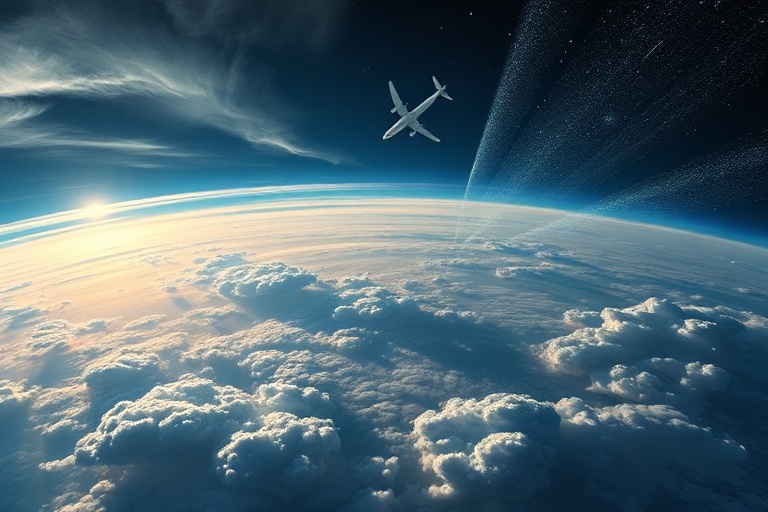
Composed primarily of nitrogen and oxygen, with trace amounts of other gases, Earth’s atmosphere extends roughly 10,000 kilometers into space. Its structure is divided into distinct layers, each with unique properties and functions. Understanding these layers reveals just how finely tuned our planet’s life-support system truly is.
The Layered Structure of Earth’s Atmosphere
Earth’s atmosphere isn’t uniform. It’s organized into five distinct layers, each playing a specific role in maintaining the conditions necessary for life:
- Troposphere (0-12 km): The layer where weather happens, containing 75% of the atmosphere’s mass. Temperature decreases with altitude here, creating the conditions for clouds, storms, and all terrestrial life.
- Stratosphere (12-50 km): Home to the ozone layer, which absorbs harmful ultraviolet radiation. Unlike the troposphere, temperatures increase with altitude due to ozone’s heat-absorbing properties.
- Mesosphere (50-85 km): The coldest layer, where temperatures plummet to -90°C. It’s also where most meteoroids burn up upon entering Earth’s atmosphere.
- Thermosphere (85-600 km): Temperatures here can exceed 1,500°C due to solar radiation absorption. This layer is crucial for radio communication as it reflects signals back to Earth.
- Exosphere (600-10,000 km): The outermost layer, where atmospheric particles are so sparse they can travel hundreds of kilometers without colliding. It gradually merges with the vacuum of space.
The boundaries between these layers—known as the tropopause, stratopause, and mesopause—mark transitions in temperature and composition. These invisible boundaries are critical to atmospheric circulation patterns that distribute heat and moisture around the globe.
How the Atmosphere Sustains Life
Several key functions make Earth’s atmosphere indispensable to life as we know it. The most critical is the greenhouse effect, which traps just enough heat to keep the planet habitable. Without it, Earth’s average temperature would hover around -18°C—far too cold for liquid water or most life forms.
Oxygen, comprising 21% of the atmosphere, powers respiration for most complex life. Nitrogen, at 78%, is essential for protein synthesis in plants and animals. Even trace gases like carbon dioxide (0.04%) play a vital role in photosynthesis, forming the base of the food chain.
- Radiation Shielding: The ozone layer absorbs 97-99% of the sun’s medium-frequency ultraviolet light, preventing damage to DNA and other biological molecules.
- Pressure Regulation: Atmospheric pressure maintains liquid water on Earth’s surface, a rarity in our solar system. Mars’ thin atmosphere can’t sustain liquid water under normal conditions.
- Meteor Protection: The atmosphere burns up most space debris before it can reach the surface, with tens of thousands of meteoroids disintegrating daily.
These functions aren’t static. The atmosphere constantly adjusts to maintain equilibrium, though human activities are now challenging this delicate balance in unprecedented ways.
The Atmosphere’s Delicate Balance and Human Impact
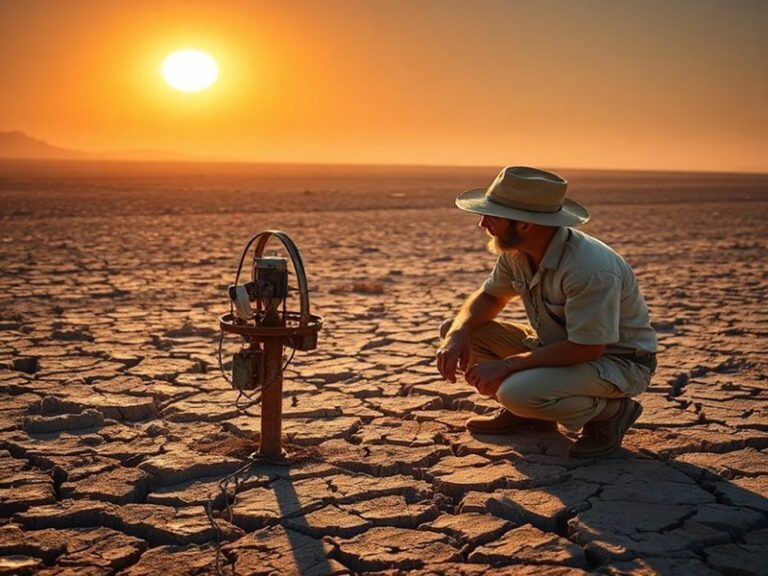
Human civilization has altered the atmosphere in ways that threaten its stability. The most visible impact is climate change, driven primarily by increased greenhouse gas concentrations. Since the Industrial Revolution, carbon dioxide levels have risen by 50%, trapping more heat and altering weather patterns worldwide.
Air pollution presents another critical challenge. Ground-level ozone, particulate matter, and toxic gases like nitrogen dioxide and sulfur dioxide create health hazards in urban areas. The World Health Organization estimates that 99% of the global population breathes air that exceeds its guideline limits for pollutants.
These changes have cascading effects. Warmer temperatures intensify weather events, from hurricanes to droughts, while shifting atmospheric circulation patterns alter precipitation distribution. The resulting disruptions to agriculture and water supplies threaten food security for millions.
“The atmosphere doesn’t recognize political boundaries. Pollution emitted in one country can affect air quality thousands of kilometers away, demonstrating that atmospheric health is a global responsibility.”
International efforts like the Montreal Protocol (1987) have successfully addressed ozone depletion by phasing out chlorofluorocarbons. However, climate change requires even more urgent and coordinated action. The recent Kigali Amendment expands these efforts to include hydrofluorocarbons, potent greenhouse gases used in refrigeration.
The Atmosphere’s Role in Space Exploration
Understanding Earth’s atmosphere isn’t just about protecting life on the surface—it’s crucial for space exploration too. Atmospheric drag affects satellite orbits, requiring periodic adjustments to maintain position. Re-entering spacecraft must withstand temperatures exceeding 1,600°C as they pass through the thermosphere.
Mars’ thin atmosphere presents unique challenges for potential human missions. With surface pressure less than 1% of Earth’s, landing heavy payloads requires innovative solutions like supersonic parachutes and retrorockets. NASA’s Perseverance rover demonstrated these technologies during its 2021 landing, paving the way for future crewed missions.
Earth’s atmosphere also serves as a natural laboratory for studying other planetary atmospheres. By analyzing how our atmosphere behaves under different conditions, scientists can better understand the potential habitability of exoplanets and the dynamics of gas giants like Jupiter.
For science enthusiasts and aspiring astronauts, the atmosphere offers endless opportunities for discovery. From tracking weather patterns to studying atmospheric chemistry, this invisible layer connects Earth to the broader cosmos in profound ways.
Conclusion: Protecting Our Invisible Shield
Earth’s atmosphere is more than just empty space—it’s a dynamic, life-sustaining system that has evolved over billions of years. Every breath we take, every weather event we experience, and every satellite that orbits our planet depends on this complex layer of gases. Yet despite its importance, we continue to push it beyond its limits.
Addressing atmospheric challenges requires both technological innovation and systemic change. Renewable energy sources, sustainable agriculture, and cleaner industrial practices can reduce our impact. International cooperation remains essential, as atmospheric pollution doesn’t respect national borders.
For those inspired to learn more, organizations like NASA and NOAA offer resources for tracking atmospheric changes. Citizen science projects allow individuals to contribute to atmospheric research, from measuring air quality to reporting weather events. The more we understand our atmosphere, the better equipped we’ll be to protect it.
One fact remains clear: Earth’s atmosphere isn’t just our home’s protective layer—it’s our greatest scientific frontier, our most vital resource, and our shared responsibility. The choices we make today will determine the air our children breathe tomorrow.