Why Bundesliga 2 Is German Football’s Best-Kept Secret
While the Bundesliga often steals the spotlight with its high-flying action and global superstars, Bundesliga 2 quietly carves out its own identity as a proving ground for talent and a battleground for promotion dreams. Known officially as the 2. Bundesliga, this league serves as the second tier of German football, yet its impact extends far beyond mere competition. It’s a stage where young prospects refine their skills, experienced players reinvent themselves, and clubs fight for a shot at the top flight.
The league’s structure and intensity make it one of Europe’s most competitive second divisions. With 18 teams battling over 34 matchdays, Bundesliga 2 is a cauldron of tactical innovation, financial constraints, and unscripted drama. For fans of the sport, it offers a purer, more unpredictable form of football—one where every point matters and relegation battles are as gripping as title races.
The Role of Bundesliga 2 in German Football
Bundesliga 2 operates as the perfect bridge between the lower divisions and the Bundesliga. It’s where clubs like FC St. Pauli, 1. FC Köln, and Hamburger SV have rebuilt their identities after financial collapses or relegation from the top flight. The league’s existence ensures that German football maintains a clear hierarchy, with a defined pathway for clubs to climb—or fall—based on performance.
Financially, Bundesliga 2 teams operate on tighter budgets than their Bundesliga counterparts, but that doesn’t diminish the quality of football. In fact, it often amplifies the passion and unpredictability of matches. Clubs in this league must rely on smart recruitment, youth development, and tactical discipline to compete. This environment has produced some of Germany’s most exciting talents, including the likes of Florian Wirtz and Ridle Baku, who honed their skills in the second division before making the leap to the Bundesliga.
The league also plays a crucial role in maintaining the health of German football’s pyramid system. Without a strong second division, the Bundesliga would struggle to replenish its talent pool or provide a safety net for clubs facing financial turmoil. In this way, Bundesliga 2 isn’t just a feeder league—it’s the backbone of Germany’s footballing ecosystem.
Key Factors That Define Bundesliga 2
Several elements set Bundesliga 2 apart from other second-tier leagues across Europe. Here’s what makes it unique:
- Promotion and Relegation Battles: Two teams earn automatic promotion to the Bundesliga each season, while the third-place team enters a playoff against the 16th-placed Bundesliga side. Meanwhile, the bottom two teams are automatically relegated to 3. Liga, and the 16th-place team faces a playoff against the 3. Liga’s third-place finisher. This system ensures high stakes until the final whistle.
- Financial Fair Play: Unlike some European leagues where clubs overspend to secure promotion, Bundesliga 2 enforces strict financial regulations. This prevents reckless spending and encourages sustainable growth, aligning with the DFB’s (German Football Association) commitment to financial responsibility.
- Youth Development: Clubs in Bundesliga 2 prioritize youth academies, knowing that developing homegrown talent is often more reliable than expensive transfers. This focus has led to the emergence of technical, intelligent players who thrive in the league’s fast-paced environment.
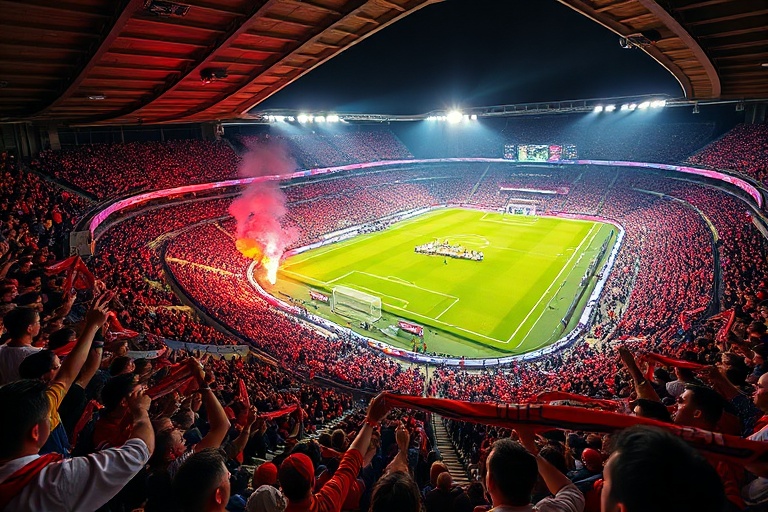
- Fan Culture: Bundesliga 2 matches are renowned for their vibrant atmosphere. Clubs like 1. FC Kaiserslautern and Dynamo Dresden boast some of the most passionate fanbases in German football, creating an electric environment that rivals even some Bundesliga stadiums.
The Broader Implications of Bundesliga 2
Bundesliga 2’s influence extends beyond the pitch. For aspiring managers, the league serves as a proving ground where tactical experimentation is encouraged. Coaches like Daniel Thioune (Hamburger SV) and Alois Schwartz (FC St. Pauli) have used Bundesliga 2 as a launchpad for careers in top-flight football. The league’s emphasis on youth and tactical flexibility makes it an ideal training ground for the next generation of football minds.
Economically, Bundesliga 2 also plays a vital role. Clubs in this league often serve as scouting grounds for larger European clubs looking for undervalued talent. The revenue generated from transfers—such as the €12 million Bayern Munich received for Joshua Kimmich from RB Leipzig—helps sustain smaller clubs and reinvest in infrastructure. This cycle of talent development and financial reinvestment ensures that German football remains competitive on the global stage.
Moreover, Bundesliga 2 reflects broader trends in European football. The rise of data analytics, for example, has transformed how clubs scout and develop players. Teams in the second division are increasingly using performance metrics to identify undervalued players, a strategy that has paid dividends in both promotion races and financial sustainability. This data-driven approach is reshaping the way football is played and managed at all levels.
What’s Next for Bundesliga 2?
The future of Bundesliga 2 looks promising, with several trends poised to shape its evolution. One of the most significant is the growing influence of American investment in European football. Clubs like FC Augsburg and Hertha BSC have attracted interest from U.S.-based ownership groups, bringing fresh capital and innovative business models to the league. While this trend raises questions about the commercialization of the sport, it also presents opportunities for clubs to modernize their operations.
Another area to watch is the league’s relationship with the Bundesliga. As financial disparities between the top and lower tiers widen, there’s a growing debate about whether the Bundesliga should implement stricter solidarity payments to support clubs in the second division. Such measures could help bridge the gap and ensure that Bundesliga 2 remains a competitive and sustainable league.
For fans, the league’s unpredictability is its greatest strength. Unlike the Premier League or La Liga, where a handful of clubs dominate, Bundesliga 2 is a true meritocracy. Every season brings new stories of underdog triumphs, last-gasp goals, and managerial masterclasses. Whether you’re a scout, a coach, or a casual supporter, there’s always something to discover in this often-overlooked division.
Why Bundesliga 2 Deserves Your Attention
Bundesliga 2 may lack the global fame of the Premier League or the star power of La Liga, but it makes up for it with raw passion, tactical depth, and a relentless pursuit of excellence. It’s a league where dreams are made and broken, where young talents blossom, and where football is played with unbridled intensity. For those willing to look beyond the headlines, Bundesliga 2 offers a compelling narrative of resilience, ambition, and the beautiful game in its purest form.
If you’re a fan of football’s undercurrents—or simply someone who appreciates the sport’s unscripted drama—Bundesliga 2 is a league worth following. It’s more than just a stepping stone; it’s a testament to the enduring spirit of the game.
For more insights into German football and the broader implications of leagues like Bundesliga 2, explore our Sports and Analysis sections on Dave’s Locker. Whether you’re interested in tactical breakdowns, club histories, or the latest transfer news, we’ve got you covered.