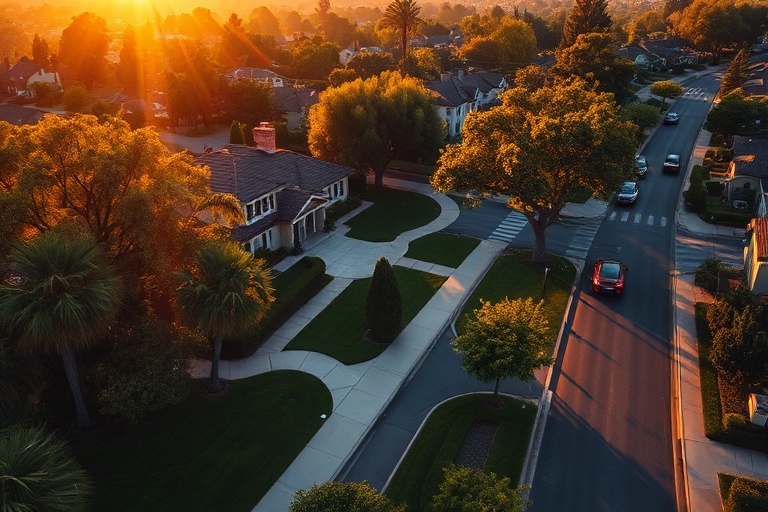
Nestled between the bustling energy of Los Angeles and the serene landscapes of the Santa Monica Mountains, Brentwood stands as a microcosm of California’s layered identity. This affluent Westside neighborhood is more than just a postcard-perfect enclave; it’s a living archive of architectural evolution, cultural shifts, and economic resilience. From its early days as agricultural land to its current status as a hub for luxury living and celebrity culture, Brentwood’s story reflects broader trends in urban development and lifestyle aspirations.
A Brief History: From Spanish Land Grants to Star-Studded Streets
Brentwood’s origins trace back to the 18th century, when the land was part of a vast Spanish land grant known as Rancho San Vicente y Santa Monica. After California’s annexation into the United States, the area gradually transitioned from cattle grazing to agricultural use, with crops like lima beans and barley dominating the landscape. The neighborhood’s modern identity began to take shape in the early 20th century, thanks to the efforts of developers like Henry E. Huntington, who envisioned Brentwood as a model of suburban living.
By the 1920s, Brentwood had become a desirable address for Los Angeles’ elite. The construction of the Pacific Electric Railway in 1908 improved connectivity, making it easier for wealthy Angelenos to commute from their hillside estates to downtown. The neighborhood’s reputation as a bastion of affluence was solidified in the post-World War II era, as Hollywood stars and business magnates flocked to its tree-lined streets. Today, Brentwood’s historic homes—many of which feature Mediterranean Revival and Mid-Century Modern architecture—serve as tangible reminders of its storied past.
Architectural and Cultural Landmarks
Brentwood’s built environment is a testament to its evolving tastes and priorities. The neighborhood is home to several iconic structures that highlight its architectural diversity:
- The Getty Villa: A replica of a first-century Roman country house, this museum and educational center is dedicated to the study of ancient Greek, Roman, and Etruscan art. Designed by architects Ernest C. Wilson Jr. and architects J. Donald Dean and William J. Wagner, the villa opened in 1974 and has since become a cultural landmark. Its Mediterranean-inspired design pays homage to Brentwood’s historical roots while offering a space for public engagement with classical art.
- Brentwood Country Mart: Originally a dairy farm in the 19th century, this site was transformed into a bustling marketplace in the 1940s. Today, the Country Mart is a vibrant community hub featuring boutique shops, artisanal food vendors, and outdoor dining. Its rustic charm and modern amenities make it a favorite among locals and visitors alike.
- St. Martin of Tours Church: Built in 1958, this mid-century church is a prime example of the Googie architectural style, characterized by its futuristic design elements. The church’s distinctive spire and angular lines reflect the optimism and innovation of post-war America, while its role as a spiritual center underscores Brentwood’s commitment to community and tradition.
Beyond these landmarks, Brentwood’s residential streets tell their own stories. The neighborhood’s most exclusive enclaves, such as the Brentwood Circle and Crestwood Hills, are known for their sprawling estates and meticulously landscaped gardens. These areas offer a glimpse into the lifestyles of Brentwood’s residents, who range from entertainment industry titans to tech entrepreneurs and old-money dynasties.
The Business of Brentwood: Retail, Dining, and Real Estate
Brentwood’s economic engine is powered by a robust retail and dining scene, as well as a highly competitive real estate market. The neighborhood’s commercial corridors, particularly along San Vicente Boulevard and Barrington Avenue, are lined with high-end boutiques, gourmet restaurants, and specialty stores. Brands like Ralph Lauren, Hermès, and Apple have established outposts here, catering to the tastes of affluent consumers.
The dining scene in Brentwood is equally impressive, with a mix of celebrity-owned eateries and long-standing local favorites. Restaurants like Gjusta—a beloved bakery and café—and Nobu Malibu (located just outside Brentwood) exemplify the neighborhood’s culinary diversity. Meanwhile, spots like The Brentwood and The Restaurant at the Getty Villa offer upscale dining experiences that attract both residents and visitors.
Real estate in Brentwood is among the most expensive in Los Angeles, with median home prices exceeding $3 million. The demand for properties in the area is driven by several factors:
- Proximity to Nature: Brentwood’s location at the foot of the Santa Monica Mountains provides easy access to hiking trails, parks, and outdoor recreation. Residents can enjoy activities like trail running, mountain biking, and picnicking at nearby Will Rogers State Beach.
- Schools and Education: The neighborhood is served by the highly rated Brentwood School and other top-tier public and private institutions. This makes it a prime destination for families seeking quality education for their children.
- Safety and Community: Brentwood consistently ranks as one of the safest neighborhoods in Los Angeles. Its strong sense of community, evidenced by local events like the Brentwood Farmers Market and the annual Brentwood Arts Festival, fosters a tight-knit atmosphere.
- Prestige and Exclusivity: Owning property in Brentwood is often seen as a status symbol, reflecting both financial success and a commitment to a certain lifestyle. The neighborhood’s reputation for exclusivity is bolstered by its celebrity residents and high-profile events, such as the Brentwood Art Show.
Brentwood in the Broader Context: Challenges and Opportunities
While Brentwood’s affluence and desirability are undeniable, the neighborhood is not without its challenges. One of the most pressing issues is the ongoing debate over gentrification and housing affordability. As property values continue to rise, long-time residents—particularly those in lower-income brackets—face displacement. The tension between preserving Brentwood’s character and accommodating growth is a microcosm of broader urban struggles in Los Angeles.
Another challenge is the neighborhood’s vulnerability to natural disasters. Brentwood’s proximity to fault lines, including the Santa Monica Fault, poses a significant risk of earthquakes. Additionally, the increasing frequency of wildfires in Southern California raises concerns about the safety of homes nestled in the canyons and hillsides. These environmental factors have prompted discussions about resilience planning and sustainable development in the area.
Despite these challenges, Brentwood remains a model of urban livability. Its blend of historic charm and modern amenities, combined with its strong sense of community, offers valuable lessons for other neighborhoods grappling with similar issues. For policymakers and urban planners, Brentwood serves as a case study in balancing preservation with progress, exclusivity with inclusivity, and luxury with sustainability.
Conclusion: The Enduring Allure of Brentwood
Brentwood’s story is one of transformation—from agricultural land to suburban haven, from a quiet retreat for the elite to a dynamic community shaped by culture, commerce, and geography. Its ability to adapt while maintaining its core identity is a testament to the neighborhood’s resilience and charm. For those who call Brentwood home, the area offers not just a place to live, but a way of life that blends tradition with innovation.
As Brentwood continues to evolve, it will undoubtedly face new challenges and opportunities. Yet, its enduring appeal lies in its ability to balance the old and the new, the exclusive and the inclusive, the natural and the built environment. For visitors and residents alike, Brentwood remains a place where history and modernity coexist harmoniously, a neighborhood that continues to redefine itself while staying true to its roots.