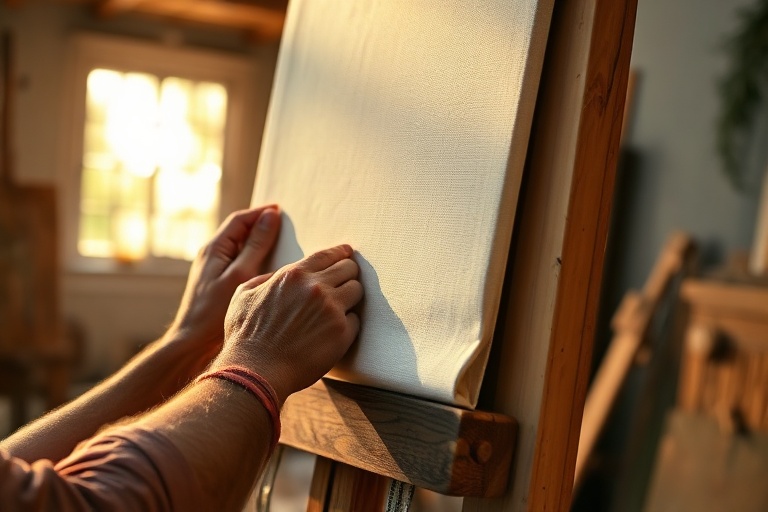
The canvas has long served as a silent witness to human expression, holding layers of paint, ink, and imagination across centuries. From the Renaissance masters to contemporary street artists, this unassuming fabric has proven itself as the foundation of visual storytelling. Its adaptability has allowed it to evolve beyond traditional painting surfaces, infiltrating fashion, technology, and even digital media.
The Origins and Evolution of Canvas
Canvas traces its roots to the 14th century when artists in Europe began using hemp and linen fabrics as alternatives to wooden panels. The material’s durability and flexibility made it ideal for large-scale works, and its adoption by artists like Leonardo da Vinci and Rembrandt cemented its place in art history. By the 19th century, cotton canvas became the standard due to its affordability and availability, particularly among Impressionist painters who sought lighter, more portable surfaces.
Today, canvas is no longer confined to the artist’s studio. Its texture and aesthetic have inspired designers in fashion and interiors, where it’s used for everything from tote bags to upholstery. The material’s raw, tactile quality offers a contrast to sleek modern materials, bridging the gap between organic and industrial design. Even in digital realms, canvas has found new life as a metaphor for creative platforms, from social media to NFT marketplaces.
A Timeline of Canvas Innovation
- 14th Century: Hemp and linen fabrics first used as painting surfaces in Europe.
- 17th Century: Linen becomes the preferred material among Dutch and Flemish masters.
- 19th Century: Cotton canvas gains popularity during the Impressionist movement.
- 20th Century: Synthetic blends emerge, offering enhanced durability and texture variety.
- 21st Century: Canvas adapts to digital and fashion applications, proving its versatility.
Canvas in the Digital Age
The digital revolution has redefined canvas as both a literal and figurative medium. In graphic design, the term “canvas” refers to a digital workspace where artists manipulate pixels with precision. Software like Adobe Photoshop and Procreate mimics the experience of working on a physical canvas, allowing for layering, blending, and texture application. This digital adaptation has democratized art creation, enabling anyone with a tablet to produce work that rivals traditional methods.
Beyond software, canvas has influenced the rise of NFT art, where digital creators mint their work as unique tokens on blockchain platforms. The term “canvas” in this context symbolizes the limitless potential of digital art, unbound by physical constraints. However, this shift has sparked debates about the value of digital versus traditional art, with purists arguing that the tactile experience of canvas cannot be replicated.
“The canvas is a living entity that breathes with every stroke, whether it’s under a painter’s brush or a stylus on a screen. It’s not just a surface; it’s a conversation between artist and material.”
The Broader Cultural Impact of Canvas
Canvas has transcended its role as a mere artistic tool to become a cultural symbol. In street art, for example, artists like Banksy have used canvas to challenge societal norms, blending fine art with activism. The material’s accessibility makes it a powerful medium for marginalized voices, allowing artists to bypass traditional galleries and reach wider audiences.
In fashion, brands like Supreme and Louis Vuitton have incorporated canvas into their designs, elevating it from a utilitarian fabric to a luxury statement. The material’s durability aligns with the ethos of streetwear, where longevity and functionality are prized. Meanwhile, in interior design, canvas wall art has become a staple in modern homes, offering a blend of affordability and artistic expression.
Canvas also plays a role in education, where it serves as a blank slate for students to explore creativity without fear of failure. Art programs often begin with canvas as a foundational material, teaching fundamentals like composition, color theory, and texture. Its forgiving nature makes it ideal for experimentation, from watercolor washes to bold acrylic strokes.
Why Canvas Remains Relevant
In an era dominated by digital screens and ephemeral content, canvas offers a tangible connection to the past. Its physical presence reminds us of the impermanence of art while also celebrating its enduring legacy. Whether stretched over a frame or printed on fabric, canvas continues to evolve, adapting to new technologies and cultural shifts.
For collectors, canvas represents an investment in both art and craftsmanship. Original paintings on canvas often appreciate in value, while reproductions make art accessible to broader audiences. The material’s ability to age gracefully—developing a patina over time—adds to its allure, telling a story of its journey through history.
Key Takeaways About Canvas
- Historical Significance: Canvas has been a cornerstone of art for centuries, evolving from linen to cotton and synthetic blends.
- Digital Adaptation: Modern software and NFT platforms have redefined canvas as both a physical and digital medium.
- Cultural Symbolism: From street art to fashion, canvas serves as a tool for expression, activism, and luxury.
- Educational Value: Its accessibility makes canvas an ideal material for teaching art fundamentals and fostering creativity.
- Investment Potential: Original canvas art often appreciates in value, while reproductions democratize access to art.
As we move further into the 21st century, canvas will likely continue to surprise us. Whether it’s through sustainable alternatives like recycled fabrics or innovations in smart textiles, this material remains as adaptable as the artists who use it. One thing is certain: the canvas will always be more than just a surface—it’s a canvas for the future.
For those interested in exploring canvas further, Dave’s Locker Art section offers curated selections of canvas artworks and supplies. Additionally, the Fashion category highlights how canvas has influenced contemporary design trends.