Halifax: A Coastal City of Rich History and Culture
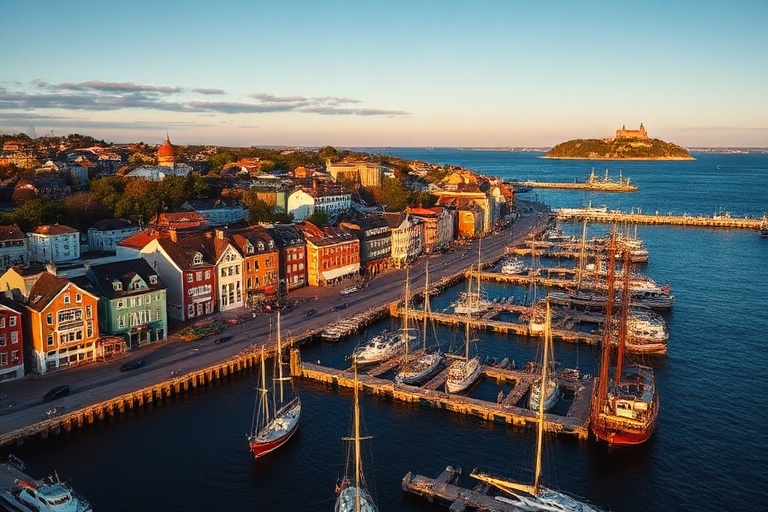
Nestled on the eastern edge of Canada, Halifax stands as a testament to resilience, history, and maritime tradition. The city, which serves as the capital of Nova Scotia, has evolved from a modest colonial outpost to a thriving urban center known for its scenic harbor, cultural diversity, and economic vitality. With a population of approximately 480,000 residents, Halifax blends the charm of a historic port city with the dynamism of a modern metropolis.
Its strategic location on the Atlantic Ocean has shaped Halifax’s identity, making it a key player in Canadian trade, defense, and tourism. The city’s skyline, dominated by the iconic Halifax Citadel National Historic Site, offers a striking contrast between the old and the new. Whether you’re strolling along the waterfront or exploring its cobblestone streets, Halifax invites visitors to uncover layers of history that span centuries.
The Historical Foundations of Halifax
Founded in 1749 by the British, Halifax was established as a military stronghold to counter French influence in North America. The city’s early years were marked by conflict, including the expulsion of the Acadians and the Siege of Halifax during the American Revolution. These events left an indelible mark on the region’s cultural and demographic landscape.
By the 19th century, Halifax had grown into a bustling port, serving as a crucial hub for transatlantic trade and immigration. The construction of the Halifax Citadel in the 1850s reinforced its military significance, while the arrival of the railway in the late 1800s solidified its role as an economic powerhouse. Today, the Citadel stands as a National Historic Site, offering guided tours that delve into the city’s military past.
- Key Historical Landmarks:
- Halifax Citadel National Historic Site – A star-shaped fort that played a pivotal role in defending the city.
- Pier 21 – Once the gateway for over a million immigrants to Canada, now a museum celebrating the country’s multicultural heritage.
- The Maritime Museum of the Atlantic – Home to exhibits on the Titanic disaster, naval history, and the Halifax Explosion of 1917.
The Halifax Explosion remains one of the city’s most defining moments. On December 6, 1917, a collision between the French cargo ship SS Mont-Blanc and the Norwegian vessel SS Imo resulted in a catastrophic explosion that killed nearly 2,000 people and devastated much of the city’s north end. The disaster reshaped Halifax’s recovery efforts and left a lasting legacy in its urban planning and community resilience.
Economic and Maritime Significance
Halifax’s economy has long been tied to its port, which remains one of the deepest and ice-free harbors in the world. The Port of Halifax handles millions of containers annually, serving as a critical link in global supply chains. Major shipping lines, including MSC and Hapag-Lloyd, operate regular services from the port, connecting Nova Scotia to Europe, Asia, and the Americas.
The city is also home to a robust defense sector, with the Royal Canadian Navy’s Atlantic Fleet stationed at CFB Halifax. The naval base is the largest in Canada and plays a vital role in national security and international peacekeeping missions. This military presence has fostered a strong aerospace and defense industry, contributing billions to the local economy.
In recent years, Halifax has emerged as a growing tech hub, earning the nickname “Silicon Harbour.” Startups and established companies alike are drawn to the city’s skilled workforce, affordable cost of living, and supportive business environment. The tech sector in Halifax has seen significant investment, with firms like Clearwater Seafoods and Volta Labs leading innovation in areas such as ocean technology and artificial intelligence.
Tourism and Cultural Attractions
Halifax’s tourism industry thrives on its maritime heritage, vibrant arts scene, and natural beauty. Visitors flock to the waterfront boardwalk, a 4-kilometer stretch lined with shops, restaurants, and historic ships. The boardwalk culminates at the Maritime Museum of the Atlantic, where the CSS Acadia and the recovered artifacts from the Titanic wreckage draw history enthusiasts.
The city’s culinary scene reflects its coastal location, with fresh seafood taking center stage. Lobster rolls, scallops, and donair—Halifax’s signature late-night snack—are must-tries for any visitor. Breweries and distilleries, such as Propeller Brewing Company and Ironworks Distillery, have also gained acclaim for their locally crafted beverages.
- Top Cultural Experiences in Halifax:
- Halifax Pop Explosion – An annual indie music festival that showcases local and national talent.
- Neptune Theatre – A premier performing arts venue known for its Broadway-caliber productions.
- Halifax Central Library – A modern architectural marvel that serves as a community hub for learning and events.
- Point Pleasant Park – A 75-hectare green space offering scenic trails and views of the harbor.
Education and Innovation
Halifax is a magnet for students and researchers, thanks to its prestigious universities and research institutions. Dalhousie University, founded in 1818, is one of Canada’s oldest post-secondary institutions and a leader in marine biology, medicine, and law. Nearby, Saint Mary’s University and Mount Saint Vincent University offer specialized programs in arts, sciences, and education.
The city’s commitment to innovation is evident in its growing number of incubators and accelerators. Volta, a startup hub, provides resources and mentorship to early-stage companies, while Innovacorp offers funding and support for tech entrepreneurs. These initiatives have positioned Halifax as a rising star in Canada’s innovation ecosystem.
Research institutions like the Bedford Institute of Oceanography and the National Research Council drive advancements in oceanography, climate science, and renewable energy. Halifax’s focus on sustainable development has led to initiatives like the Halifax Climate Action Plan, which aims to reduce carbon emissions and promote green infrastructure.
A City of Community and Resilience
Beyond its economic and historical significance, Halifax is defined by its people. The city’s diverse population includes a strong Mi’kmaq presence, as well as communities from around the world, particularly in neighborhoods like the North End and the Halifax Peninsula. This multiculturalism is celebrated through festivals such as Halifax Caribbean Carnival and Multicultural Festival.
The spirit of resilience, forged through centuries of challenges, remains a defining characteristic of Halifax. Whether it’s recovering from natural disasters, economic downturns, or global pandemics, the city has consistently demonstrated an ability to adapt and thrive. This resilience is perhaps best embodied in the community-driven efforts to revitalize neighborhoods like the Gottingen Street corridor, which has seen a resurgence in local businesses and cultural initiatives.
Halifax’s future looks bright, with ongoing investments in infrastructure, education, and sustainability. Projects like the Halifax Transit Strategic Plan aim to improve public transportation, while initiatives to preserve historic buildings ensure the city retains its unique character. As Halifax continues to grow, it remains a city that honors its past while embracing the opportunities of tomorrow.
Conclusion
Halifax is more than just a coastal city; it is a living testament to the enduring power of community, history, and innovation. From its humble beginnings as a British military outpost to its current status as a cultural and economic hub, Halifax has continually reinvented itself while staying true to its roots. Whether you’re drawn by its maritime heritage, its thriving arts scene, or its welcoming atmosphere, Halifax offers something for everyone.
The city’s ability to balance progress with preservation ensures that it will remain a vital part of Canada’s story for generations to come. As Halifax looks to the future, one thing is certain: its legacy of resilience and innovation will continue to shape its identity and inspire those who call it home.