UK Bank Holidays Explained: Traditions, Impact, and Future Trends
For many in the United Kingdom, bank holidays are more than just days off from work—they represent a rhythm in the calendar, a chance to unwind, and often, a time for family gatherings or travel. But what exactly defines a bank holiday? How did this system develop, and what impact does it have on daily life, the economy, and cultural traditions across England, Scotland, Wales, and Northern Ireland?
The concept of bank holidays in the UK is deeply embedded in history and legislation. Unlike public holidays in some countries, which may be tied to specific cultural or religious events, UK bank holidays are formally designated by law. They provide workers with paid leave, and while not all businesses close, the day often carries a lighter atmosphere—streets quieter, shops operating reduced hours, and public transport running on a Sunday service.
How UK Bank Holidays Are Established
Bank holidays in the UK are created through Acts of Parliament or royal proclamation. The first official bank holiday was introduced in 1871 with the Bank Holidays Act, which designated four days off per year in England, Wales, and Ireland. Scotland followed with its own act in 1971, and Northern Ireland has a separate list of holidays reflecting its distinct cultural and religious calendar.
Today, there are typically eight permanent bank holidays in England and Wales, nine in Scotland, and ten in Northern Ireland. These include well-known days such as Christmas Day, Easter Monday, and the late May Spring Bank Holiday, as well as uniquely British observances like Boxing Day and the August Summer Bank Holiday.
The process of adding a new bank holiday is not automatic and often requires significant public and political support. For example, in 2022, an additional holiday was granted to mark Queen Elizabeth II’s Platinum Jubilee, and discussions continue about whether to make certain holidays permanent or introduce new ones, such as a UK-wide “Brexit Day” holiday (though this has not materialized).
- England & Wales: 8 permanent bank holidays
- Scotland: 9 permanent bank holidays
- Northern Ireland: 10 permanent bank holidays
- New holidays can be added by royal proclamation or parliamentary act
The Cultural Significance of Bank Holidays
Beyond their legal status, bank holidays reflect the cultural values and historical events of the UK. Easter Monday, for instance, aligns with Christian traditions but also marks the beginning of spring—a time for renewal and outdoor activities. The late May Spring Bank Holiday often coincides with the unofficial start of summer, prompting trips to the seaside or countryside.
In Scotland, St. Andrew’s Day (November 30) celebrates the patron saint and reinforces national identity. Meanwhile, Northern Ireland observes St. Patrick’s Day and Orangemen’s Day, both deeply rooted in religious and community traditions. These holidays serve as annual touchpoints for cultural expression and national pride.
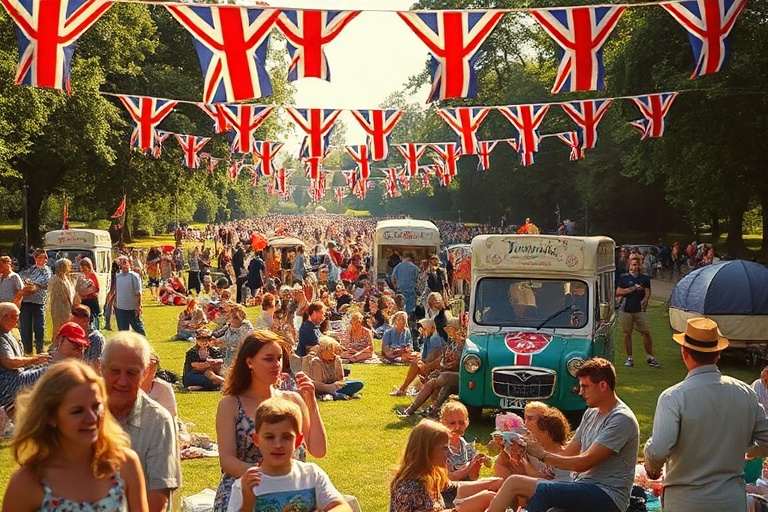
Bank holidays also influence leisure and tourism. The summer bank holiday weekend is one of the busiest periods for domestic travel, with families heading to coastal resorts like Blackpool or Bournemouth. Music festivals, such as Glastonbury, often align with bank holiday weekends, drawing massive crowds and boosting local economies.
As society evolves, so too do the ways people celebrate. While some traditions endure—such as barbecues on the May Day holiday or fireworks on Bonfire Night—new customs emerge. For example, the rise of “wellness” culture has seen more people using bank holidays for short retreats, digital detoxes, or community volunteer projects.
Economic Impact: A Double-Edged Sword
The economic effects of bank holidays are complex. On one hand, they provide a boost to the leisure and hospitality sectors. Hotels, restaurants, and attractions see increased revenue as people travel or dine out. According to the Centre for Economics and Business Research, the August bank holiday alone contributes hundreds of millions of pounds to the UK economy annually.
On the other hand, not all industries benefit equally. Retailers, especially those in grocery or essential services, often face higher operational costs on bank holidays due to staffing and logistics. Some small businesses report lost revenue if they close, while others thrive by catering to holidaymakers.
Public transport also adjusts its schedules, which can disrupt commuting patterns. While this benefits travelers during leisure periods, it can inconvenience those who rely on consistent services. Economists note that the cumulative effect of bank holidays—currently totalling around nine days per year in England and Wales—can reduce annual working hours by approximately 1.5%, potentially impacting productivity.
There have been calls to reform the bank holiday calendar to better align with modern work patterns. Some suggest replacing certain fixed-date holidays with floating Mondays (like in the US) to create longer weekends more consistently. Others argue for fewer holidays to improve economic output. However, public sentiment often favors maintaining the tradition, given its cultural and social value.
Regional Differences: A Devolved System
One of the most notable aspects of UK bank holidays is their regional variation. While England and Wales share most holidays, Scotland and Northern Ireland have distinct ones. For example, Scotland celebrates New Year’s Day and 2nd January as bank holidays, reflecting the strong influence of Hogmanay traditions. Northern Ireland includes St. Patrick’s Day and Battle of the Boyne Day, both significant in its cultural and historical context.
This devolved approach can create logistical challenges. Businesses operating across the UK must navigate different holiday schedules, which can complicate staffing and supply chains. For instance, a company based in Manchester with branches in Glasgow may need to adjust operations for both Scotland’s New Year’s holidays and England’s Easter break.
The divergence also highlights the UK’s diverse cultural fabric. While England’s holidays are broadly secularized, Northern Ireland’s include explicitly religious observances. Scotland’s additional holiday in January reflects its unique cultural calendar, distinct from the rest of the UK.
These differences have sparked debates about whether a unified UK-wide holiday calendar should be introduced. However, any move toward standardization would likely face resistance from regions keen to preserve their traditions and identities.
Looking Ahead: The Future of Bank Holidays
As the UK navigates post-pandemic recovery, climate change concerns, and shifting work cultures, the role of bank holidays may evolve. The rise of remote work has already led some companies to adopt flexible policies, potentially reducing the reliance on traditional holidays for rest and recreation.
There is also growing pressure to recognize more diverse cultural observances. For example, calls have been made to designate a bank holiday for Diwali or Eid, reflecting the UK’s increasingly multicultural society. While such moves could foster inclusion, they also raise questions about which holidays are prioritized and who gets to decide.
Climate activists have suggested that bank holidays could be used to promote environmental awareness. Ideas include “Green Holidays” focused on community clean-ups or sustainable travel, or even a “Car-Free Friday” to reduce emissions. These proposals align with broader societal shifts toward sustainability and well-being.
Ultimately, bank holidays remain a cherished part of British life. They offer a pause in the year’s routine, a chance to reconnect with family or community, and a reflection of the country’s history and values. Whether they adapt to modern needs or remain rooted in tradition, their role in the UK calendar seems secure—for now.
For those looking to explore more about UK traditions or travel during these holidays, Dave’s Locker’s travel section offers insights into destinations perfect for bank holiday getaways. Meanwhile, our culture hub delves deeper into the traditions that shape these special days.
The next time a bank holiday approaches, take a moment to consider not just the day off, but the layers of history, economy, and culture it represents. These holidays are more than pauses in the calendar—they are a reflection of who we are.