us-iran
US-Iran Relations: A Complex Legacy of Cooperation and Conflict
The relationship between the United States and Iran spans decades of collaboration, tension, and outright hostility. From the 1953 CIA-backed coup that reshaped Iran’s political landscape to the 1979 hostage crisis that severed diplomatic ties, these two nations have oscillated between strategic alignment and outright confrontation. Today, their interactions continue to shape global energy markets, regional security, and international diplomacy in ways that extend far beyond the Middle East.
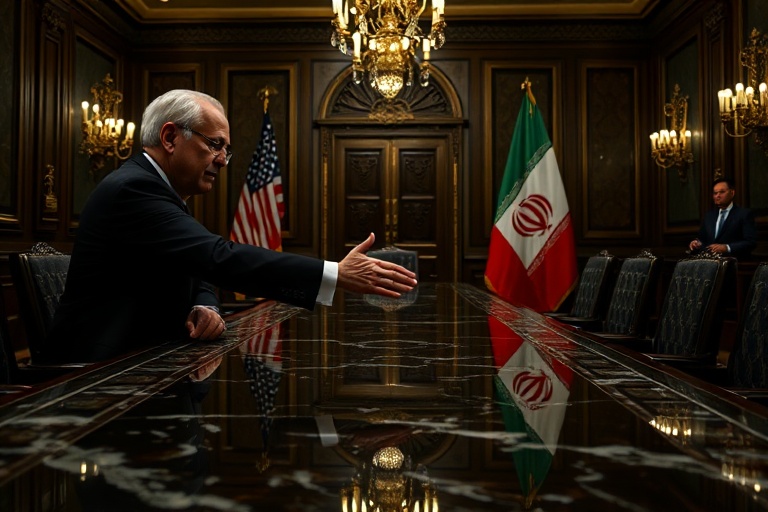
The geopolitical chessboard between Washington and Tehran is not just a matter of Middle Eastern policy—it influences everything from oil prices to cyber warfare. Understanding this dynamic requires examining historical grievances, economic sanctions, nuclear negotiations, and proxy conflicts that stretch from Syria to Yemen. This intricate web of relations demands a closer look at how two former allies became adversaries and what that means for the rest of the world.
The 1953 Coup and the Roots of Distrust
In 1951, Iran’s Prime Minister Mohammad Mossadegh nationalized the Anglo-Iranian Oil Company, a move that threatened Western interests. The CIA and British intelligence responded by orchestrating Operation Ajax, a covert operation that overthrew Mossadegh and reinstated the Shah, Mohammad Reza Pahlavi. For the next 25 years, Iran became a key American ally in the Cold War, providing stability in the Persian Gulf and access to strategic resources.
However, this alliance came at a cost. The Shah’s authoritarian rule fueled widespread discontent, culminating in the 1979 Islamic Revolution. The revolution’s leader, Ayatollah Ruhollah Khomeini, framed the US as the “Great Satan,” a symbol of oppression and imperialism. The subsequent 444-day hostage crisis—where 52 American diplomats were held captive—cemented mutual hostility, ensuring that diplomatic relations would remain frozen for decades.
This historical rupture set the stage for future conflicts. The US saw Iran as a state sponsor of terrorism, while Iran viewed America as an imperialist power bent on controlling the region. These perceptions continue to color their interactions, even in moments of apparent cooperation.
The Nuclear Deal and Its Aftermath
In 2015, after years of negotiations, the Joint Comprehensive Plan of Action (JCPOA)—commonly known as the Iran nuclear deal—was signed. The agreement, brokered by the Obama administration alongside China, France, Germany, Russia, the UK, and the EU, aimed to curb Iran’s nuclear program in exchange for sanctions relief. For a brief period, it seemed like a new chapter in US-Iran relations could emerge.
Yet the deal’s future was fragile. Critics in both countries argued it did not go far enough to curb Iran’s regional influence or ballistic missile program. In 2018, President Donald Trump withdrew the US from the JCPOA, reimposing harsh economic sanctions that crippled Iran’s economy. Tehran responded by gradually breaching the deal’s uranium enrichment limits, resuming activities that brought it closer to nuclear weapons capability.
The collapse of the JCPOA highlighted the fragility of diplomatic agreements in an era of shifting political winds. It also underscored how domestic politics in both countries can derail international efforts. For Iran, the deal was a lifeline to economic survival. For the US, it became a bargaining chip in broader geopolitical struggles.
The nuclear standoff continues to reverberate globally. European nations have struggled to maintain trade with Iran despite US sanctions, while Iran has turned to allies like Russia and China for economic and military support. This realignment reflects a broader shift in global alliances, where traditional Western powers are no longer the sole arbiters of international order.
Proxy Wars and Regional Power Struggles
Beyond nuclear diplomacy, US-Iran tensions play out across the Middle East through proxy conflicts. Iran supports militant groups like Hezbollah in Lebanon and the Houthis in Yemen, while the US backs allies such as Saudi Arabia and Israel. These proxy wars have turned countries like Syria and Iraq into battlegrounds where Iranian and American influence collide.
In Syria, Iran’s Revolutionary Guard has been a key ally of President Bashar al-Assad, providing military support that has helped keep him in power. The US, meanwhile, has supported Kurdish forces in the fight against ISIS, creating a complicated dynamic where American and Iranian-backed forces occasionally find themselves on the same side—and just as often, on opposite sides.
In Iraq, the power vacuum following the 2003 US invasion allowed Iran to expand its influence, building strong ties with political factions and militias. This presence has fueled sectarian tensions and complicated America’s efforts to stabilize the country. The 2020 US assassination of Iranian General Qasem Soleimani in Baghdad further escalated tensions, prompting retaliatory strikes and a cycle of brinkmanship.
These proxy conflicts are not just regional—they have global implications. Oil shipments through the Strait of Hormuz, a vital chokepoint for global energy supplies, have been repeatedly threatened. Cyberattacks, attributed to both sides, have targeted critical infrastructure, adding a new dimension to their rivalry.
Economic Sanctions and Their Human Cost
One of the most contentious tools in the US-Iran conflict is economic sanctions. While intended to pressure Iran’s government, they have also devastated the country’s civilian population. The reimposition of sanctions after the US withdrawal from the JCPOA led to severe shortages of medicine, food, and basic goods. Inflation soared, and poverty rates climbed, pushing millions into hardship.
International organizations, including the United Nations, have repeatedly called for sanctions relief, arguing that they violate humanitarian principles. Yet the US has defended its stance, arguing that sanctions are necessary to curb Iran’s destabilizing regional activities. The debate over sanctions reflects a broader ethical dilemma: how to balance pressure on a government with the well-being of its people.
The humanitarian impact extends beyond Iran’s borders. Countries like Lebanon, which rely on Iranian support, have faced economic collapse exacerbated by US sanctions. The ripple effects of these policies underscore the interconnected nature of global politics, where decisions made in Washington or Tehran can have far-reaching consequences.
Looking Ahead: Can Diplomacy Prevail?
The future of US-Iran relations remains uncertain. While neither side appears eager for full-scale war, the potential for miscalculation looms large. Diplomatic channels remain open, but trust is in short supply. Regional players like Turkey and Saudi Arabia continue to navigate this complex landscape, often seeking to balance relations with both Washington and Tehran.
For the international community, the challenge is clear: how to manage a rivalry that shows no signs of abating. Multilateral diplomacy, economic incentives, and confidence-building measures may offer a path forward, but they require political will on both sides. The alternative—a continued cycle of sanctions, proxy wars, and brinkmanship—risks destabilizing not just the Middle East, but the entire world.
As the global order evolves, the US and Iran will need to decide whether their differences can be managed through dialogue or if they will continue to be defined by confrontation. The stakes could not be higher, for their rivalry is not just about oil or nuclear technology—it is about the kind of world we will live in for decades to come.
For those interested in the broader implications of US foreign policy, explore our Politics section, where we analyze how international decisions shape domestic and global realities. To understand how energy markets influence geopolitics, visit our Business category for in-depth coverage of economic trends and their political underpinnings.