Why Neighbours Still Matter in a Globalised World
“`html
The Enduring Appeal of Neighbours Across Cultures
Neighbours shape our daily lives in ways both subtle and profound. They form the first layer of community beyond our own four walls, offering support, conflict, and countless unscripted moments that define local life. From the apartment buildings of Tokyo to the suburban streets of Melbourne, the concept of neighbours reveals fascinating cultural differences—and surprising similarities—in how people connect.
Understanding these dynamics provides more than just social insight. It offers a window into how societies function, how traditions endure, and how modern pressures like urbanisation and technology are transforming traditional neighbourly bonds. Whether in high-density cities or quiet rural villages, the role of neighbours remains a vital part of human experience.
The Role of Neighbours in Urban vs. Rural Settings
Urban environments often create a paradox when it comes to neighbourly relationships. On one hand, cities offer proximity—people live stacked atop one another or side by side in terraced houses. On the other, anonymity prevails. Studies in places like New York and London show that while residents may know their immediate neighbours by sight, meaningful interaction is rare. A 2018 survey by the UK’s Office for National Statistics found that only 37% of urban residents felt close to their neighbours, compared to 62% in rural areas.
In contrast, rural communities rely on neighbours for practical survival. In farming regions of India, Africa, and South America, neighbours share tools, labour, and childcare. This interdependence fosters deep trust. In the Italian countryside, vicinato (neighbourhood) isn’t just a place—it’s a social contract. Meals are shared without invitation. Children move freely between homes. The rhythm of rural life is built on reciprocity.
Urbanisation is changing this balance. As cities expand, traditional rural neighbour networks often dissolve. Yet, new forms of community emerge—co-housing projects in Berlin, shared gardens in Brooklyn, and digital neighbourhood apps in Tokyo. These innovations suggest that while the setting may change, the human need for connection does not.
Cultural Rituals: How Neighbours Celebrate Together
Across the globe, neighbours mark life’s milestones collectively. In Japan, the practice of tonarigumi—small neighbourhood associations—dates back centuries. These groups organise festivals, disaster preparedness, and even mutual aid during illness. During cherry blossom season, entire blocks gather under blooming trees, sharing food and stories.
In Mexico, la vecindad—a historic form of communal housing—remains a cultural cornerstone. Families live in shared courtyards, with neighbours becoming like extended kin. During Día de los Muertos, altars are built not just within homes, but in common spaces, inviting collective remembrance.
Even in individualistic societies like the United States, neighbourly rituals persist. Block parties, summer barbecues, and holiday light competitions turn streets into temporary villages. The rise of apps like Nextdoor has formalised these gatherings, though critics argue it sometimes deepens division by amplifying petty disputes.
What unites these traditions is a shared understanding: neighbours aren’t just people who live nearby—they are people who share life. Whether through ritual, crisis, or daily routine, they create a fabric of belonging that transcends borders.
Technology and the Transformation of Neighbourhoods
The digital age has redefined neighbourly interaction. Platforms like Nextdoor, Meetup, and even Facebook Groups have made it easier to connect—but with mixed results. On one side, technology breaks down isolation. In Seoul, apps like Band help apartment dwellers organise shared childcare and grocery co-ops. In Nairobi, digital neighbourhood networks help residents report water shortages and security issues in real time.
Yet, technology also erodes trust. Online anonymity can turn minor disagreements—like noise complaints or parking disputes—into full-blown conflicts. A 2022 study by the Pew Research Center found that 43% of Americans had experienced tension with neighbours, often escalated by social media.
Even more concerning is the rise of surveillance culture. Ring doorbells and smart cameras, while marketed as tools for safety, can create a climate of suspicion. Neighbours become suspects. Trust erodes into transactional interactions: “I’ll watch your kids if you watch my dog.”
Technology hasn’t replaced the need for human connection—but it has changed how we meet it. The challenge now is to use digital tools to enhance, not replace, the organic bonds that once defined neighbourly life.
Conflict and Resolution: When Neighbours Disagree
Not all neighbourly interactions are harmonious. Disputes over property lines, noise, pets, and parking are universal. In densely populated cities like Mumbai or Hong Kong, conflicts often stem from scarce space. In quieter towns, they may arise from cultural differences—like the German tradition of Ruhezeit (quiet hours) clashing with a neighbour’s late-night gatherings.
Resolving these conflicts requires more than patience—it demands cultural fluency. In Scandinavian countries, mediation is institutionalised. Neighbourhood councils help resolve disputes before they escalate. In contrast, in many Western cities, legal action is the first resort, straining already fragile relationships.
What works best is often the simplest approach: communication. A polite conversation, a shared meal, or even a small gesture like offering a home-cooked dish can defuse tension. In cultures where indirect communication is valued—such as in many Asian and Latin American societies—a simple nod or smile can convey understanding without words.
Ultimately, conflict is part of neighbourly life. What matters is how communities respond—whether with dialogue or division.
The Future of Neighbourliness in a Changing World
The concept of neighbours is evolving. Climate change, migration, and economic pressures are reshaping communities faster than ever. In places like Vancouver and Barcelona, rising housing costs are pushing families to live in multi-generational homes—reviving the kind of close-knit living once common in rural areas.
Meanwhile, climate migration is creating new neighbourly dynamics. In cities like Auckland and Toronto, newcomers from Pacific Islands or South Asia are forming tight-knit enclaves, preserving language and tradition while integrating into their new homes. These groups often rely on neighbours from similar backgrounds for support, creating micro-communities within larger cities.
Technology will continue to play a role, but the future of neighbourliness may lie in hybrid models—combining digital tools with face-to-face interaction. Imagine a neighbourhood app that not only alerts you to a missing package but also invites you to a block potluck. Or a shared garden where digital sign-ups meet organic conversation.
The key to sustainable neighbourly life will be intentionality. Whether through policy, design, or personal choice, communities must prioritise spaces and rituals that bring people together—not just side by side, but truly connected.
Conclusion: Why Neighbours Still Matter
In an era of globalisation and digital connection, the role of neighbours might seem diminished. Yet, the opposite is true. As our lives become more fragmented, the need for local, tangible relationships grows stronger. Neighbours are no longer just people who live next door—they are lifelines in times of crisis, partners in daily life, and guardians of shared memory.
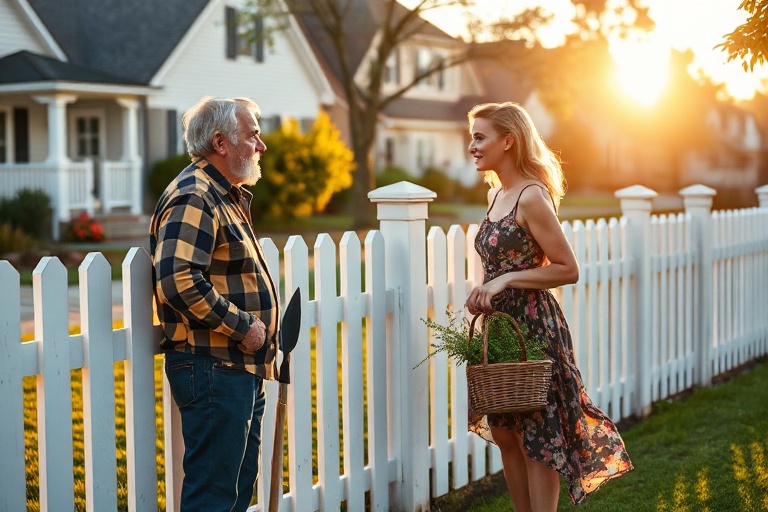
Cultivating good neighbourly relationships doesn’t require grand gestures. It begins with a wave, a shared tool, a listening ear. It thrives in the quiet moments—the exchange of garden produce, the offer of help during a move, the shared laughter over a fence.
As cities grow and cultures blend, the art of neighbourliness may need reinvention. But its essence remains unchanged: we are not meant to live in isolation. We are meant to belong—to our streets, to our blocks, to each other.
And perhaps, in that belonging, we find not just better neighbours—but a better world.