Corsica: Europe’s Hidden Gem of Mountain and Sea
“`html
Corsica: Europe’s Hidden Gem of Mountain and Sea
Nestled in the Mediterranean Sea, Corsica remains one of Europe’s most underrated destinations. Often overshadowed by its more famous neighbors like France and Italy, this French island offers a unique blend of rugged landscapes, pristine beaches, and a rich cultural heritage. Unlike the crowded tourist hotspots of the Côte d’Azur, Corsica retains an authentic charm, attracting travelers who seek adventure, solitude, and natural beauty.
From the dramatic peaks of the mountains to the crystal-clear waters of its coastline, Corsica is a playground for hikers, beachgoers, and history enthusiasts alike. Its strategic location between the Italian and French coasts has shaped its identity over centuries, leaving behind a legacy of diverse influences. Whether you’re exploring ancient Genoese ruins or hiking the GR20 trail, one of Europe’s most challenging long-distance hikes, Corsica promises an unforgettable experience.
The Geography of Contrasts: Mountains, Beaches, and Villages
Corsica is often divided into two distinct regions: the rugged interior, known as la Corse profonde (deep Corsica), and the coastal areas, where most of the island’s population resides. The interior is dominated by the Corsican Mountains, a range that includes Monte Cinto, the island’s highest peak at 2,706 meters. These mountains are a haven for hikers, with trails that wind through pine forests, alpine meadows, and steep gorges.
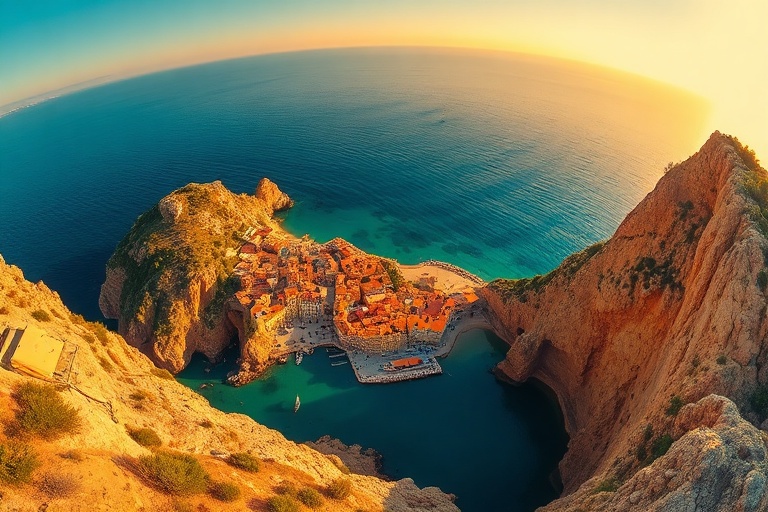
The coastline, by contrast, is a series of crescent-shaped bays, hidden coves, and long sandy beaches. The most famous of these is Palombaggia Beach, often ranked among the world’s most beautiful beaches. Its turquoise waters and powdery white sand create a postcard-perfect scene, yet it remains less crowded than many Mediterranean alternatives. Other notable coastal spots include the Scandola Nature Reserve, a UNESCO World Heritage site, and the Desert des Agriates, a vast, arid landscape dotted with wildflowers and hidden lagoons.
Between the mountains and the sea lie the island’s villages, perched on hilltops and clinging to cliffs. These stone hamlets, with their narrow streets and shuttered windows, offer a glimpse into Corsica’s past. Many were once fortified to protect against pirate raids, and some, like Sant’Antonino, are among the oldest continuously inhabited sites in Europe. The contrast between the wild, untamed interior and the serene coastal villages creates a dynamic that defines Corsica’s appeal.
A Journey Through Corsica’s Cultural Tapestry
Corsica’s cultural identity is as diverse as its landscapes. The island has been ruled by the Greeks, Romans, Pisans, Genoese, and French, each leaving their mark on its language, architecture, and traditions. The Corsican language, a blend of Italian dialects with French influences, is still spoken by many locals, particularly in rural areas. It’s a living testament to the island’s complex history.
Music and festivals play a central role in Corsican culture. Traditional polyphonic singing, a hauntingly beautiful form of choral music, is UNESCO-listed and can be heard at local celebrations. Instruments like the cetera (a type of lute) and the paghjella (a vocal style) are integral to these performances. The island’s festivals, such as the Fiera di u Casgiu (Cheese Fair) in Venaco, showcase Corsican products like brocciu cheese, cured meats, and wild honey.
Corsica’s gastronomy is another reflection of its cultural fusion. Dishes like wild boar stew, fiadone (a lemon-flavored cheese tart), and canistrelli (sweet almond biscuits) highlight local ingredients. The island’s wines, particularly those from the Patrimonio and Ajaccio regions, are gaining recognition for their unique terroir. Pairing a glass of Corsican wine with a meal of fresh seafood or slow-cooked lamb is an experience that encapsulates the island’s flavors.
Adventure Awaits: Hiking, Diving, and Exploring
For outdoor enthusiasts, Corsica is a dream destination. The GR20, often called Europe’s toughest long-distance trail, stretches 180 kilometers across the island’s spine. Completing the hike takes 15 days on average, with hikers navigating rocky passes, river crossings, and steep ascents. Refuges along the route provide shelter, but the journey demands physical stamina and careful planning. Those who complete it are rewarded with unparalleled views and a profound sense of accomplishment.
Beyond hiking, Corsica’s waters offer exceptional diving opportunities. The Scandola Nature Reserve and the Lavezzi Islands are marine protected areas teeming with biodiversity. Divers can explore underwater caves, shipwrecks, and vibrant coral reefs. Snorkeling is equally rewarding, especially around the Isle of Lérins near Cannes, where the marine life is abundant.
The island’s canyoning routes, which involve rappelling down waterfalls and swimming through gorges, are another draw. Locations like the Gorges de la Restonica provide adrenaline-pumping descents through emerald pools and cascading waterfalls. For those who prefer a more relaxed pace, kayaking along the coast or horseback riding through the countryside offer immersive ways to experience the landscape.
Preserving Paradise: Environmental Challenges and Conservation
Despite its natural beauty, Corsica faces environmental pressures. Tourism, while a vital part of the economy, can strain local resources, particularly in peak summer months. Coastal erosion, pollution, and overdevelopment threaten some of the island’s most fragile ecosystems. The Parc Naturel Régional de Corse, established in 1972, works to protect the island’s biodiversity by regulating land use and promoting sustainable tourism.
Efforts to combat these challenges include initiatives to reduce plastic waste, promote eco-friendly accommodations, and educate visitors about responsible travel. The Réserve de Biosphère in the Strait of Bonifacio, for example, balances conservation with tourism by limiting access to sensitive areas. Local organizations also run reforestation projects to combat the spread of wildfires, which have become more frequent due to climate change.
Corsica’s commitment to sustainability is evident in its slow food movement, which emphasizes locally sourced, organic ingredients. Farmers’ markets, like the one in Bastia, are hubs for fresh produce, cheese, and artisanal goods. By supporting these markets, visitors contribute to the island’s economic and environmental health.
Why Corsica Should Be on Your Travel Bucket List
Corsica’s allure lies in its ability to offer something for every type of traveler. Whether you’re seeking solitude in a mountain village, adventure on a hiking trail, or relaxation on a secluded beach, the island delivers. Its rich history, vibrant culture, and stunning landscapes make it a destination worth exploring beyond the typical tourist trail.
For those planning a trip, the best time to visit is late spring to early autumn, when the weather is warm but not scorching. Spring (May-June) is ideal for hiking, with wildflowers in bloom and fewer crowds. Summer (July-August) brings the liveliest atmosphere, with festivals and beach activities, though it’s also the busiest time. Autumn (September-October) offers pleasant temperatures and a quieter experience, perfect for those who want to explore without the summer rush.
Getting around Corsica requires some planning. Renting a car is essential for exploring the interior and remote coastal areas, as public transportation is limited. Ferries connect the island to mainland France, Italy, and Sardinia, providing flexibility for island-hopping. For a more immersive experience, consider staying in a gîte (a rustic guesthouse) or a chambre d’hôtes (a bed and breakfast), where you can interact with locals and sample homemade Corsican cuisine.
In a world where overtourism is a growing concern, Corsica stands out as a destination that prioritizes authenticity and sustainability. It’s a place where you can disconnect from the noise of modern life and reconnect with nature, history, and yourself. Whether you spend your days hiking through alpine meadows, savoring a glass of local wine by the sea, or wandering through a centuries-old village, Corsica leaves a lasting impression.
For travelers tired of the same old Mediterranean hotspots, Corsica offers a refreshing alternative—one that’s as rewarding as it is undiscovered.