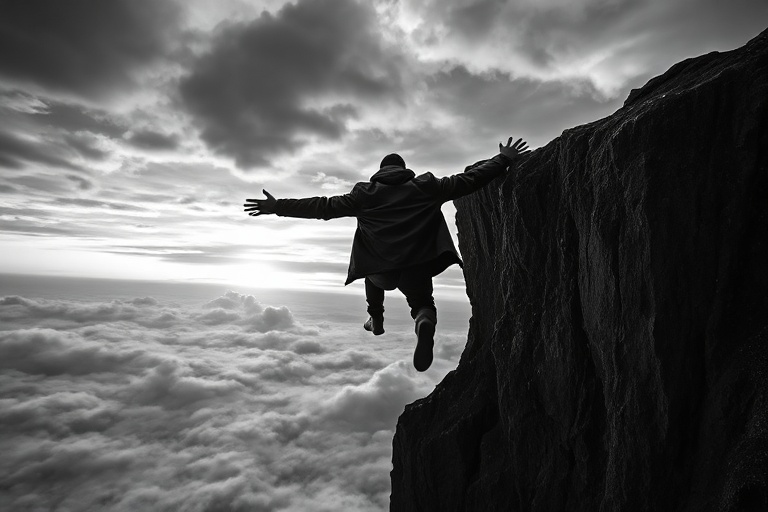
From physical motion to metaphorical descent, falling occupies a unique space in human experience. It bridges the tangible and the abstract, shaping how we perceive balance, risk, and transformation.
The Physics of Falling: More Than Just Gravity
At its core, falling is a fundamental physical phenomenon governed by gravity. When an object loses support, it accelerates toward Earth at 9.8 meters per second squared. Yet this simple definition belies a complex interplay of forces—air resistance, surface area, and even spin can alter the trajectory of a fall. Skydivers, for instance, manipulate their body positions to control speed and direction, turning physics into performance.
Beyond mechanics, falling reveals the fragility of human-made structures. Engineers spend years calculating load limits for bridges and buildings to prevent catastrophic collapses. The collapse of the Morandi Bridge in Genoa in 2018 underscored how even meticulously designed systems can fail under unforeseen stress. This duality—falling as both natural process and preventable disaster—demands our attention.
Falling also intersects with biomechanics. Studies show that humans instinctively tense muscles and extend limbs to brace for impact, a reflex honed by evolution. Yet these instincts can fail in high-speed scenarios, like car crashes, where milliseconds matter. Understanding falling isn’t just academic; it saves lives.
The Psychology of Falling: Fear, Control, and Catharsis
Psychologically, falling triggers primal fears tied to loss of control and vulnerability. A 2020 study in Frontiers in Psychology found that the fear of falling is among the most common phobias, particularly in older adults. This anxiety isn’t unfounded: falls are the leading cause of injury-related death in adults over 65, according to the CDC. Yet fear can also be harnessed positively.
For thrill-seekers, falling becomes a controlled rush. Bungee jumping and skydiving capitalize on the adrenaline surge, turning terror into euphoria. The brain, flooded with dopamine and endorphins, rewards risk-taking with pleasure. This paradox—where danger becomes joy—explains the enduring appeal of activities like roller coasters and free-falling rides.
Metaphorically, falling embodies failure, rejection, or moral collapse. Literature and film often use it to symbolize downfall, from Shakespeare’s tragic heroes to modern antiheroes in shows like Breaking Bad. These narratives resonate because they reflect universal anxieties about losing status, love, or purpose. Yet there’s catharsis in the fall. The act of getting back up—literally or figuratively—can redefine resilience.
Cultural and Spiritual Dimensions of Falling
Across cultures, falling carries diverse meanings. In Japanese tradition, wabi-sabi embraces impermanence, finding beauty in the transient and imperfect—including falls. Zen Buddhism teaches that stumbling is part of the path to enlightenment. Conversely, Western myths often frame falling as punishment, from Icarus’s wings melting to Lucifer’s expulsion from heaven. These narratives shape how societies view success and setback.
In art, falling appears as both literal and symbolic motifs. Caravaggio’s Conversion of Saint Paul depicts a dramatic fall from a horse, marking a spiritual rebirth. Contemporary artists like Marina Abramović use controlled falling in performances to explore vulnerability and trust. Even in music, falling is a recurring theme—think of the melancholic descent in Radiohead’s Pyramid Song or the soaring yet precarious highs of Fallin’ by Alicia Keys.
Sports culture offers another lens. Gymnasts and divers train for years to perfect their landings, where the difference between a gold medal and a fall is measured in centimeters. The 2021 Tokyo Olympics saw countless athletes push their limits, only to face the stark reality of gravity’s pull. These moments remind us that falling isn’t just a failure; it’s an inherent part of striving.
Key Takeaways: Why Falling Matters
Falling is far more than a simple descent. It’s a multifaceted phenomenon with implications spanning science, psychology, culture, and spirituality. Here are the key points to remember:
- Physical Reality: Falling is governed by gravity but shaped by variables like air resistance and human reflexes. It’s both a natural process and a preventable hazard.
- Emotional Impact: Fear of falling is deeply rooted in our psyche, yet controlled falling can induce exhilaration and personal growth.
- Cultural Symbolism: Across traditions, falling represents failure, transformation, or transcendence—reflecting universal human experiences.
- Practical Lessons: From engineering to sports, understanding falling helps us design safer systems and embrace resilience in the face of setbacks.
Ultimately, falling teaches us that stumbling isn’t the opposite of success—it’s part of the journey. Whether in physics, psychology, or personal growth, the act of falling and recovering reshapes our understanding of balance and risk.
Explore Further
To dive deeper into related topics, consider these categories on Dave’s Locker:
- Trending – For the latest discussions on cultural phenomena tied to risk and resilience.
- Health – Insights on fall prevention, aging, and physical well-being.
Have a story about falling—literal or metaphorical? Share your experiences and thoughts in the comments below.