Poland’s identity is deeply rooted in its people—Polacy, as they are known in Polish. These individuals form a resilient, creative, and tradition-bound society that has endured centuries of upheaval while maintaining a distinct cultural footprint. From the bustling streets of Warsaw to the quiet villages of Małopolska, Polacy embody a blend of historical reverence and modern dynamism. Their story is one of survival, adaptation, and quiet pride, often overlooked in broader discussions about Central Europe.
To understand Polacy, one must look beyond stereotypes. They are not a monolith. The population of nearly 38 million spans generations shaped by different eras—each leaving its mark on national character. The post-World War II generation grew up under communism, instilled with collective values. Millennials and Gen Z, raised in a free Poland, are digital natives, fluent in global trends while fiercely protective of local traditions. This generational tapestry creates a society that moves between nostalgia and innovation with remarkable fluidity.
Historical Roots and National Consciousness
The Polish national consciousness has been forged in fire. Over 123 years of partitions by Prussia, Austria, and Russia erased Poland from the map, yet Polacy preserved their language, faith, and identity through clandestine education and cultural resistance. Events like the 1978 election of Karol Wojtyła as Pope John Paul II became symbols of spiritual defiance, uniting Poles across ideological divides. Such historical pressures have cultivated a deep sense of solidarity and a cultural memory that still influences collective behavior today.
The concept of ojczyzna—homeland—remains central to Polish identity. It transcends geography; it is a moral and emotional commitment. Even Poles living abroad, particularly in the United States, the United Kingdom, and Germany, maintain strong ties through organizations like the Polish Community Association. Remittances, cultural festivals, and digital communities ensure that the spirit of Polacy extends far beyond national borders.
Language as a Living Legacy
Polish, a West Slavic language with over 50 million speakers worldwide, is a cornerstone of identity for Polacy. It is a language of complex grammar—seven grammatical cases, consonant clusters like szczęście (happiness), and a rich vocabulary influenced by Latin, German, and French. For centuries, Polish was a language of resistance. During the partitions, it was banned in public administration and schools, forcing Poles to speak it in secret. This linguistic resilience turned Polish into a symbol of national survival.
Today, Polish is experiencing a quiet renaissance. Streaming platforms like Netflix offer original Polish series such as Rojst and The Woods, exposing younger generations to authentic dialogue. Meanwhile, initiatives like the Polish Language Council work to preserve dialectal diversity, from the Kashubian language in the north to the Góralski dialect in the Tatra Mountains. Language, for Polacy, is not just communication—it is a living archive of history.
Cultural Expression: From Folk Art to Contemporary Creativity
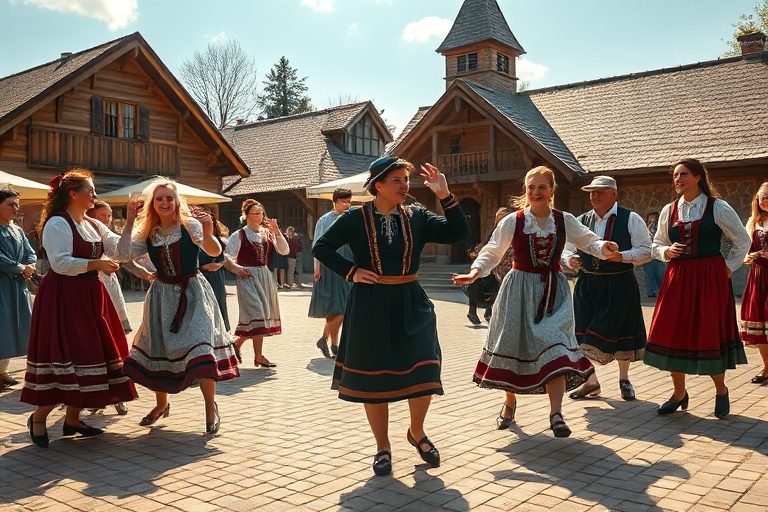
Polacy have long expressed their identity through art, music, and ritual. Folk traditions remain vibrant, especially in rural areas. Wycinanki—intricate paper cuttings—are not merely decorations but encoded stories of village life. Kazimierz Dolny and Zakopane serve as living museums where artisans demonstrate woodcarving, pottery, and textile weaving passed down through generations.
In urban centers, Poland’s cultural scene is thriving. Kraków’s National Museum and Warsaw’s Museum of Modern Art attract international audiences, while festivals like Open’er Festival in Gdynia and OFF Camarada in Lublin showcase avant-garde performances. Polish cinema continues to earn global acclaim, with directors like Paweł Pawlikowski and Jan Komasa winning awards at Cannes and the Oscars. Films such as Cold War and Corpus Christi do more than entertain—they challenge historical narratives and moral assumptions.
Polacy in the Digital Age: Innovation Meets Tradition
The digital transformation has redefined life for Polacy. According to the Polish Central Statistical Office, over 90% of households have internet access, and e-government services like ePUAP streamline bureaucracy. Poland is now a leader in fintech, home to companies like Revolut Poland and PFR Portal, which serve millions across Europe.
Yet, even in this digital landscape, tradition persists. A 2023 survey by CBOS revealed that 78% of Poles still attend religious services during Christmas Eve, and over 60% observe Easter traditions. Social media platforms like Facebook and TikTok have become arenas where young Polacy reinterpret folklore—recording folk songs, creating memes about regional dialects, or livestreaming pilgrimages to Częstochowa.
This duality—innovation and reverence—defines modern Polish life. Polacy are not torn between past and future; they carry both within themselves, often simultaneously.
Challenges and the Future of Polish Identity
Despite its strengths, Polish society faces significant challenges. Demographic decline remains a pressing issue. Poland’s fertility rate, at 1.36 births per woman in 2023, is among the lowest in the European Union. Emigration, especially of young professionals, continues to drain talent, though recent data suggests some return migration due to improved economic conditions and the rise of remote work.
Social divisions also persist. Debates over LGBTQ+ rights, abortion access, and the role of the Catholic Church have polarized public discourse. The 2020 Constitutional Tribunal ruling that effectively banned abortion in cases of fetal abnormalities sparked nationwide protests led by groups like All-Poland Women’s Strike. These movements have galvanized a new generation of activists, redefining civic engagement among Polacy.
Environmental concerns are increasingly shaping Polish identity. Despite Poland’s historical reliance on coal, cities like Wrocław and Gdańsk are pioneering green urbanism. The Clean Air Program, launched in 2018, has funded over 400,000 home heating upgrades, reducing smog in once-polluted regions. Young activists, inspired by figures like Dominika Lasota, are pushing for systemic change, aligning Poland with broader European climate goals.
A Nation in Transition
Looking ahead, Polacy stand at a crossroads. They are heirs to a thousand years of history, yet citizens of a young democracy navigating globalization, climate change, and digital disruption. Their ability to balance tradition with progress may well define the next chapter of Europe itself.
One thing is certain: the story of Polacy is far from over. It is being written every day—in village squares, in tech labs, on protest lines, and in quiet acts of kindness. It is a story of resilience, creativity, and an unshakable belief in the power of community.
To explore more about Central European culture and identity, visit our Culture section. For deeper analysis on social movements shaping modern societies, see our Analysis page.
Conclusion: The Enduring Spirit of Polacy
Polacy are more than a demographic statistic or a cultural archetype. They are a people who have turned adversity into art, silence into song, and loss into legacy. From the medieval chroniclers of Gallus Anonymus to the TikTok storytellers of today, they continue to narrate their own story—one that is complex, contradictory, and profoundly human.
In an age of rapid change, the values of Polacy—community, perseverance, and cultural pride—offer lessons for the world. Their journey reminds us that identity is not static. It is a living, evolving force, shaped by history but never confined by it.
So while the world may focus on economies or politics, it is worth pausing to consider the people behind the headlines. The Polacy. The builders, the dreamers, the keepers of memory. They are not just surviving—they are redefining what it means to belong.