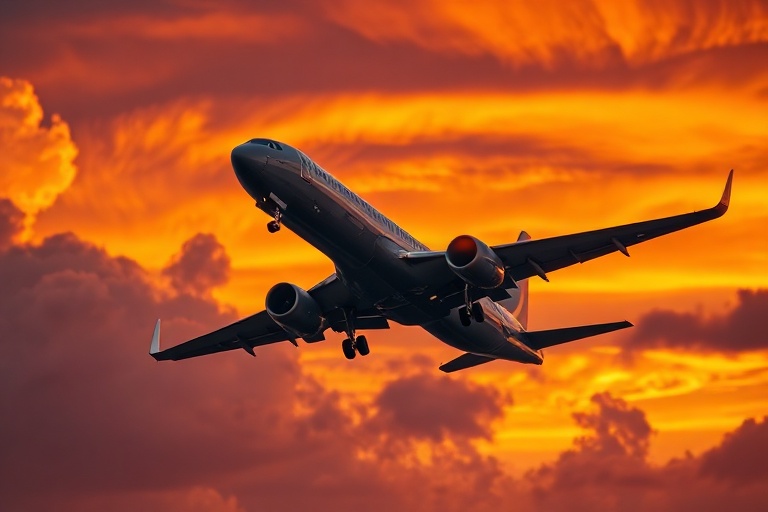
The Boeing 737: A Legacy of Innovation and Versatility
The Boeing 737: A Legacy of Innovation and Versatility
The Boeing 737 is one of the most recognizable aircraft in the world, serving as a workhorse for airlines across the globe. Since its first flight in 1967, the 737 has undergone numerous transformations, making it a symbol of innovation in aviation technology. With over 10,000 units produced, it is the best-selling commercial jetliner in history.
Historical Overview of the Boeing 737
The Boeing 737 was conceived as a short- to medium-range airliner. Its initial design aimed to meet the needs of airlines looking for a smaller aircraft that could efficiently serve regional routes. The first model, the 737-100, made its debut in 1968, and since then, the aircraft family has expanded to include various models, such as the 737 Classic, the 737 Next Generation (NG), and the latest 737 MAX series.
Throughout its history, the 737 has adapted to changing market demands and technological advancements. The introduction of more fuel-efficient engines and modern avionics has allowed airlines to operate more economically. The aircraft’s ability to serve diverse flight routes has made it a favorite among both airlines and passengers.
Global Impact and Cultural Significance
The Boeing 737 has had a profound impact on global aviation, shaping how people travel. It connects cities and countries, making air travel accessible to millions. This aircraft has also influenced the tourism industry, allowing people to explore new destinations and cultures.
In many countries, the 737 has become synonymous with air travel. Its presence at airports is a common sight, representing the freedom and convenience of flying. Moreover, the aircraft has appeared in various films and television shows, further embedding it into popular culture.
Key Features of the Boeing 737
- Fuel Efficiency: Modern models, especially the 737 MAX, feature advanced engines that significantly reduce fuel consumption.
- Range: Depending on the model, the 737 can fly distances ranging from 2,935 to 3,850 nautical miles, making it suitable for various routes.
- Passenger Capacity: The aircraft can accommodate between 85 and 230 passengers, depending on the configuration.
- Technological Advancements: The latest models include state-of-the-art avionics and safety features, enhancing flight safety and operational efficiency.
Challenges and Controversies
Despite its successes, the Boeing 737 has faced challenges, particularly with the 737 MAX series. Following two catastrophic crashes linked to the aircraft’s Maneuvering Characteristics Augmentation System (MCAS), the global fleet was grounded in March 2019. This incident raised significant concerns about safety protocols and regulatory oversight in the aviation industry.
As investigations unfolded, Boeing implemented software updates and training improvements to address these issues. The return of the 737 MAX to service marked a pivotal moment for the company, emphasizing the importance of trust and safety in aviation.
The Future of the Boeing 737
The future of the Boeing 737 appears promising, with ongoing demand for efficient and reliable aircraft. Airlines continue to invest in the 737 family, particularly in the MAX series, due to its fuel efficiency and operational versatility. As the aviation industry recovers from the pandemic, the 737 is expected to play a crucial role in reshaping air travel.
Additionally, advancements in technology, such as sustainable aviation fuels and electric propulsion, may influence future iterations of the 737. Boeing’s commitment to innovation will be crucial in addressing environmental concerns and ensuring the aircraft remains relevant in the coming decades.
In conclusion, the Boeing 737 is more than just an aircraft; it is a vital part of the global aviation ecosystem. Its historical significance, coupled with its cultural impact, makes it a fascinating subject for exploration. As the industry evolves, the Boeing 737 will undoubtedly continue to adapt and thrive.