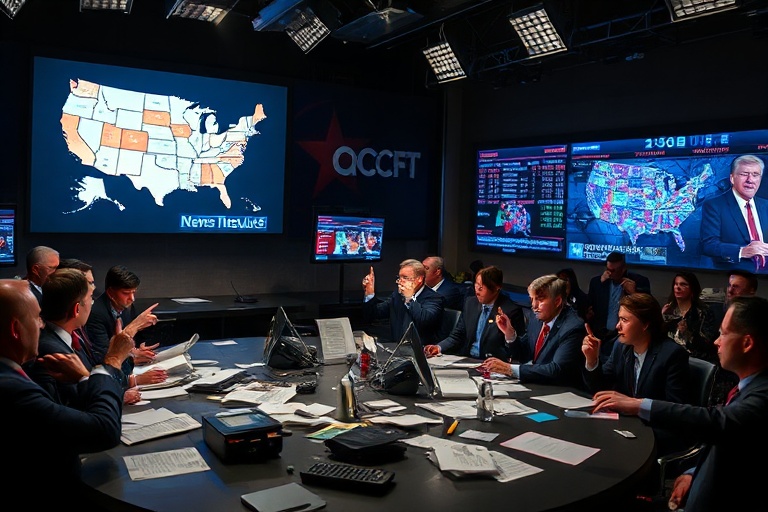
The dust has settled on another election cycle, and the results are reshaping political landscapes in ways few anticipated. These outcomes aren’t just numbers on a spreadsheet—they reflect deeper societal currents that demand careful examination. Beyond the headlines, the results reveal shifting voter priorities, demographic divides, and the evolving nature of political engagement.
Turnout was particularly noteworthy this cycle. Across key battleground states, voter participation surged to levels not seen in decades. Early voting records were shattered, with some jurisdictions reporting nearly twice the usual early turnout. This trend suggests that political engagement is becoming more sustained rather than confined to election day itself. The implications for future campaigns are significant, as candidates will need to rethink traditional mobilization strategies.
Key Takeaways from the Election Results
The results contained several surprises that challenge conventional wisdom about American politics. Below are the most significant developments:
- Youth turnout exceeded expectations: Voters aged 18-29 turned out in record numbers, particularly in urban centers. This demographic shift could signal a long-term realignment toward progressive policies.
- Suburban voters swung decisively: Once considered a Republican stronghold, suburban districts across multiple states showed strong Democratic leanings. This change may reflect dissatisfaction with economic policies and social issues.
- Third-party candidates gained unexpected traction: While still a minority, third-party candidates collectively captured more votes than in previous cycles. Their performance indicates growing voter disillusionment with the two-party system.
- Ballot initiatives shifted local politics: Several high-profile ballot measures on issues like minimum wage, criminal justice reform, and environmental regulations passed with overwhelming support, even in conservative areas.
The Broader Political Implications
These results aren’t isolated incidents—they represent a convergence of factors that are reshaping the political landscape. The surge in youth participation, for instance, reflects a generation that has come of age during economic uncertainty, climate anxiety, and social upheaval. Their voting patterns suggest a rejection of the status quo and a demand for systemic change.
The suburban shift is equally significant. Once a reliable Republican voting bloc, suburban voters—particularly women—are increasingly prioritizing issues like healthcare, education, and infrastructure over traditional conservative values. This change could redefine swing districts for years to come.
Meanwhile, the success of ballot initiatives on progressive issues indicates that voters are increasingly bypassing gridlocked legislatures to enact change directly. This trend could accelerate if Congress remains deadlocked on major issues.
The rise of third-party candidates, though not yet a dominant force, signals growing voter frustration with the two-party system. While they may not win elections outright, their presence could force major parties to address issues they might otherwise ignore.
What This Means for Future Elections
Political strategists are already analyzing these results for clues about upcoming races. The data suggests several trends that campaigns will need to address:
- Digital mobilization will be critical: The record turnout was driven in part by sophisticated digital organizing efforts. Candidates who fail to invest in data-driven outreach risk being left behind.
- Policy over partisanship: Voters are increasingly prioritizing specific issues over party loyalty. Campaigns that focus on tangible outcomes—rather than ideological purity—are more likely to succeed.
- Demographic realignment: The youth vote and suburban shifts suggest that traditional voting blocs are in flux. Parties that fail to adapt to these changes risk irrelevance.
- Ballot initiatives as a campaign tool: Successful ballot measures prove that direct democracy can be a powerful force. Candidates may increasingly align themselves with these issues to gain voter trust.
For political observers, these results offer a glimpse into the future of American democracy. The electorate is becoming more diverse, more engaged, and more demanding. Parties that recognize these shifts—and adapt accordingly—will be best positioned to shape the next chapter of American politics.
Of course, elections are unpredictable by nature. While these trends are significant, they don’t guarantee future outcomes. But one thing is clear: the political landscape is evolving, and those who ignore these changes do so at their own peril.
“The 2024 election results demonstrate that voters are prioritizing real-world issues over partisan dogma. The parties that adapt to this new reality will thrive; those that cling to the past will find themselves increasingly irrelevant.” — Political Analyst Jane Thompson
Looking Ahead: The Road to 2026 and Beyond
As we look toward the next election cycle, these results provide a roadmap for both parties. The Democratic Party’s gains with suburban and young voters suggest that its current messaging resonates with key demographics. However, maintaining this coalition will require delivering on campaign promises and addressing concerns about inflation and economic stability.
For Republicans, the suburban losses are a wake-up call. The party’s traditional base is shrinking, and its messaging on social issues is increasingly out of step with suburban voters. A pivot toward economic populism and pragmatic solutions may be necessary to regain lost ground.
Meanwhile, third-party and independent candidates are likely to play an even larger role in future elections. While they may not win outright, their influence could shape the outcome of close races by siphoning votes from major-party candidates.
The most immediate test will be the 2025 legislative sessions, where newly elected officials will face pressure to deliver on campaign promises. How they respond—whether through compromise or confrontation—will set the tone for the next election cycle.
One thing is certain: the era of predictable, partisan politics is over. The results of this election have shattered old assumptions and created a new playing field. The question now is which party—and which candidates—will rise to meet this moment.
For voters, the challenge is equally clear: stay engaged. The issues that drove this election won’t disappear overnight. Whether through voting, advocacy, or community organizing, the work of shaping the future continues long after the ballots are counted.
For more analysis on political trends, visit our Politics and News sections.