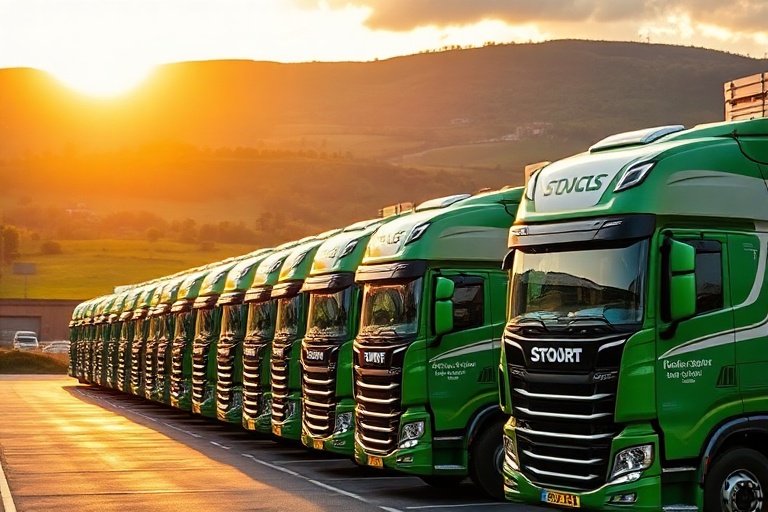
Eddie Stobart: The Man Behind the Iconic Livery
Eddie Stobart is a name synonymous with British road transport. His legacy extends far beyond the green and white livery that adorns trucks across the UK and beyond. As the founder of the Eddie Stobart haulage empire, he transformed a modest family business into one of the most recognizable brands in logistics, leaving an indelible mark on the industry.
The story of Eddie Stobart is one of ambition, innovation, and an unwavering commitment to quality. From its humble beginnings in the 1940s to its peak in the late 20th century, the company became a cultural icon, celebrated for its distinctive branding and the sheer scale of its operations. While the business has evolved significantly since its early days, Eddie Stobart’s influence endures, shaping the modern haulage industry in ways that continue to resonate today.
The Origins of a Transport Empire
Eddie Stobart’s journey began in 1946 when his father, also named Eddie, started a small haulage business in Cumbria, England. The company, initially known as Stobart & Son, operated with just one lorry and a handful of employees. The post-war era presented challenges, but the Stobart family’s determination laid the groundwork for what would eventually become a logistics powerhouse.
The younger Eddie joined the business in the 1950s, bringing fresh energy and a vision for expansion. By the 1960s, the company had diversified into timber transport, which proved to be a lucrative niche. This period also saw the introduction of the iconic green and white livery, a decision that would later become a defining feature of the brand. The bold colors and stylish lettering were not just about aesthetics; they were a deliberate move to stand out in a crowded industry and create a sense of identity.
Under Eddie’s leadership, the company grew rapidly. By the 1970s, Eddie Stobart Ltd had expanded its operations across the UK, serving clients in industries ranging from retail to manufacturing. The company’s reputation for reliability and efficiency earned it a loyal customer base, setting the stage for its next phase of growth.
The Rise of a Cultural Phenomenon
The 1980s and 1990s marked the golden era of Eddie Stobart. The company’s trucks, driven by employees often referred to as “Stobart Girls” or “Stobart Lads,” became a familiar sight on British roads. The trucks were not just functional; they were rolling advertisements for the brand, attracting attention wherever they went. This visibility contributed to the company’s growing popularity, making it a household name.
One of the most distinctive aspects of the Eddie Stobart brand was its use of names on its trucks. Each vehicle was christened with a female name, a tradition that began in the 1970s and continued for decades. This quirky touch added a layer of personality to the fleet, endearing the brand to the public. The names were often chosen by fans and even included monikers like “Chloe” and “Tasha,” which were submitted through competitions.
The company’s success also spawned a range of merchandise, from calendars to model trucks, further cementing its place in popular culture. Eddie Stobart’s trucks even became a subject of media fascination, featuring in documentaries, TV shows, and even a short-lived TV series in the 1990s. This level of cultural penetration was rare for a haulage company and spoke to the brand’s unique appeal.
The Eddie Stobart brand’s influence extended beyond logistics. It demonstrated how a B2B company could successfully cultivate a consumer-facing identity, a lesson that has since been adopted by other businesses in the sector. The brand’s ability to balance professionalism with a touch of whimsy set it apart from its competitors and created a blueprint for corporate branding in the transport industry.
Challenges and Transformations
Despite its success, the Eddie Stobart brand faced significant challenges in the 21st century. The company’s ownership changed hands multiple times, and its operations expanded globally, which brought both opportunities and complexities. In 2008, the brand was acquired by WA Developments, a move that signaled a shift in its corporate structure. This transition was followed by further changes in ownership, including a period under the control of Dbay Advisors and later a return to private ownership.
The logistics industry itself underwent a transformation during this time. The rise of e-commerce, the increasing demand for faster delivery times, and the need for sustainable practices posed new challenges for haulage companies. Eddie Stobart, like many in the industry, had to adapt to these changes, investing in technology and exploring greener alternatives to traditional diesel-powered trucks.
In 2021, the company faced financial difficulties, entering administration amid the broader economic challenges posed by the COVID-19 pandemic. This period highlighted the vulnerabilities of even the most established brands in the logistics sector. However, the Eddie Stobart name remained resilient. The company was subsequently acquired by a consortium led by Philip Meaden, a former Stobart executive, ensuring the continuation of the brand under new ownership.
Today, Eddie Stobart continues to operate, albeit on a smaller scale than during its peak. The company has diversified its services, offering solutions in warehousing, distribution, and even renewable energy. While the iconic green and white livery is no longer as ubiquitous as it once was, the brand’s legacy endures, serving as a reminder of how a company can transcend its industry to become a cultural touchstone.
Legacy and Lessons for the Transport Industry
Eddie Stobart’s story offers several key takeaways for the transport and logistics industry. First, it underscores the power of branding. In an industry often perceived as purely functional, Eddie Stobart proved that a strong, recognizable brand could elevate a company from obscurity to fame. The use of distinctive livery, creative naming conventions, and a focus on public engagement were all critical components of this strategy.
Second, the company’s journey highlights the importance of adaptability. Eddie Stobart Ltd evolved from a small family business to a national logistics provider, demonstrating the need for continuous innovation and responsiveness to market changes. The company’s ability to pivot, whether through diversification into timber transport or later into renewable energy, has been key to its longevity.
Finally, Eddie Stobart’s story is a testament to the impact of culture on business. The brand’s connection with the public, fostered through its trucks and merchandise, created a sense of loyalty and affinity that transcended the typical B2B relationship. This cultural engagement not only boosted the company’s profile but also contributed to its commercial success.
For those interested in exploring more about the logistics industry or the evolution of iconic brands, Dave’s Locker Trending offers a range of articles that delve into similar topics. Additionally, Dave’s Locker Business provides insights into the broader economic and corporate trends shaping the transport sector today.
Key Takeaways from Eddie Stobart’s Journey
- Brand Identity: The distinctive green and white livery, along with the naming of trucks, created a unique and memorable brand identity that set Eddie Stobart apart from competitors.
- Adaptability: The company’s ability to diversify its services, from timber transport to renewable energy, ensured its relevance in an ever-changing industry.
- Cultural Engagement: Eddie Stobart’s public-facing approach, including merchandise and media appearances, turned a B2B company into a cultural phenomenon.
- Resilience: Despite financial challenges and changes in ownership, the Eddie Stobart brand has demonstrated resilience, adapting to new market conditions and ownership structures.
- Legacy: Eddie Stobart’s story serves as a case study in how branding, innovation, and cultural engagement can elevate a company beyond its industry.
Conclusion
Eddie Stobart’s legacy is more than just a story of trucks and logistics; it is a narrative about vision, branding, and the power of cultural connection. From its modest beginnings in post-war Britain to its status as a national icon, the Eddie Stobart brand demonstrated how a company could transcend its industry to capture the public’s imagination. While the company has faced its share of challenges, its ability to adapt and endure speaks to the strength of its foundational principles.
For aspiring entrepreneurs and established businesses alike, Eddie Stobart’s journey offers valuable lessons about the importance of branding, the need for adaptability, and the impact of engaging with culture. As the transport industry continues to evolve, the story of Eddie Stobart serves as a reminder that even in a sector defined by functionality, there is room for creativity, personality, and enduring legacy.