Why Air Quality Is the Invisible Crisis Affecting Us All
“`html
Understanding the Invisible: Global Air Quality Challenges
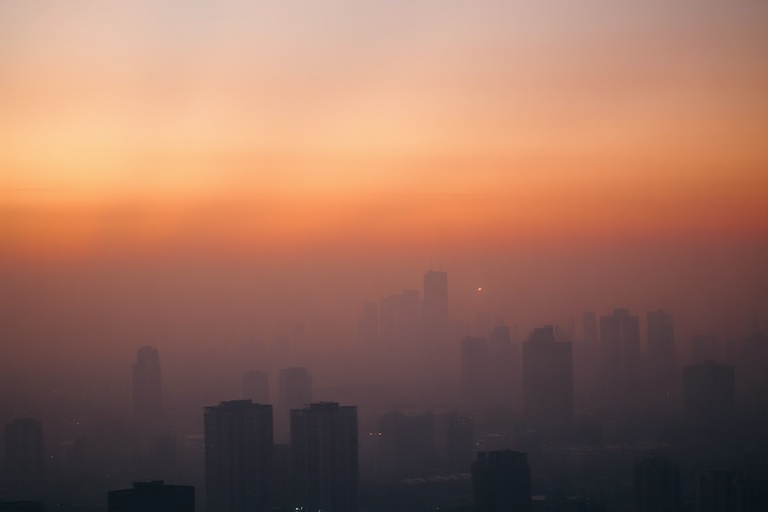
Air quality is one of the most pressing environmental issues of our time. While often invisible to the naked eye, its effects ripple across economies, public health, and cultural landscapes worldwide. Pollution doesn’t respect borders—it travels with the wind, industrial plumes, and urban sprawl. From the smog-choked streets of Delhi to the wildfire haze enveloping Los Angeles, communities are grappling with the consequences of poor air, and the solutions require both global cooperation and local action.
In many cities, the air people breathe is laced with particulate matter, nitrogen oxides, and volatile organic compounds. These pollutants don’t just dim the horizon—they shorten lifespans. According to the World Health Organization, over 90% of the world’s population lives in areas where air pollution exceeds safe limits. In 2019 alone, exposure to fine particulate matter (PM2.5) contributed to an estimated 7 million premature deaths globally. The burden falls hardest on the young, the elderly, and low-income communities, where healthcare access and pollution control are often limited.
Where the Air Is Thickest: A Global Map of Concern
Air quality varies dramatically from one region to another. South Asia remains the most polluted area on Earth, with cities like Lahore, Dhaka, and New Delhi frequently topping global rankings for PM2.5 concentrations. Industrial emissions, vehicular traffic, and agricultural burning combine to create a toxic cocktail that lingers over vast regions. During the winter months, temperature inversions trap pollutants close to the ground, turning cities into gas chambers for weeks at a time.
In contrast, parts of Scandinavia and New Zealand boast some of the cleanest air on record. Their success stems from strict emissions regulations, reliance on renewable energy, and low population density. Yet even these pristine environments face new threats—wildfires in Australia and Canada have sent plumes of smoke across oceans, temporarily erasing the air quality advantage of distant cities.
Here’s a snapshot of cities with the worst and best air quality in recent years:
- Most polluted (annual PM2.5 average): Delhi, India; Lahore, Pakistan; Dhaka, Bangladesh; Jakarta, Indonesia; Beijing, China
- Least polluted (lowest PM2.5 average): Reykjavik, Iceland; Wellington, New Zealand; Helsinki, Finland; Zurich, Switzerland; Tromsø, Norway
These disparities highlight a troubling truth: air quality is not just an environmental issue—it’s a social justice issue. Wealthier nations can afford cleaner technologies and stricter enforcement, while developing regions often prioritize economic growth over public health.
The Cultural Weight of Clean Air: From Protests to Policy
Air quality isn’t just measured in micrograms per cubic meter—it’s felt in protests, art, and daily rituals. In Beijing, citizens once relied on real-time air quality apps to decide whether to wear masks or keep children indoors. During the 2010s, the city’s “Airpocalypse” spurred a wave of activism, leading to tighter emissions standards and public pressure on factories. Meanwhile, in Los Angeles, smog alerts in the 1960s and 70s galvanized the modern environmental movement, culminating in the Clean Air Act of 1970.
Artists have also responded to the crisis. In India, photographer Raghu Rai captured the haunting beauty of Delhi’s smog, blending it with cultural iconography to force viewers to confront the unseen. In China, filmmaker Jia Zhangke’s Still Life uses environmental degradation as a metaphor for societal collapse, linking pollution to the erosion of community identity.
Religious and spiritual practices, too, have adapted. In some Hindu traditions, festivals like Diwali—known for fireworks and bonfires—are now scrutinized for their contribution to annual PM2.5 spikes. Communities are reimagining celebrations, opting for lanterns over firecrackers and public awareness campaigns over blind tradition.
These cultural shifts underscore a growing realization: clean air is a shared value, not just a technical target. It’s woven into quality of life, economic stability, and even national pride.
Technology and Policy: Can Innovation Save the Sky?
The fight for cleaner air is being waged on multiple fronts. Cities are turning to technology to monitor and mitigate pollution. London’s Ultra Low Emission Zone uses AI-powered cameras to fine high-polluting vehicles, while Beijing’s real-time air quality network feeds data to millions via mobile apps. In Rotterdam, floating solar farms double as air purifiers, absorbing CO2 while generating clean energy.
Policy, too, is evolving. The European Union’s Green Deal aims to cut emissions by 55% by 2030, with strict targets for vehicle and industrial pollution. Meanwhile, India’s National Clean Air Programme sets city-specific goals to reduce PM2.5 by 20-30% by 2024. Yet implementation remains uneven. In some regions, corruption and weak enforcement undermine progress, while in others, public pushback against lifestyle changes—like banning diesel cars or restricting construction—complicates reform.
One of the most promising tools is the “low-emission zone,” now adopted in over 200 cities worldwide. These zones restrict the most polluting vehicles, often diesel, from entering urban centers. Early results are encouraging. In Madrid, such a zone reduced nitrogen dioxide levels by 32% in just two years. In Milan, PM10 concentrations dropped by 24% after implementing traffic restrictions.
But technology and policy alone aren’t enough. Behavioral change is critical. Cities like Bogotá and Paris have successfully promoted cycling and public transit through infrastructure investment and cultural campaigns. Yet in car-dependent societies, such shifts require generational change—and a willingness to rethink urban design.
Looking Ahead: A Breath of Fresh Air?
The future of air quality remains uncertain. On one hand, climate change is intensifying wildfires and dust storms, which in turn degrade air quality. On the other, the global shift toward renewable energy and electric vehicles offers hope. The International Energy Agency projects that if nations fully implement their climate pledges, global air pollution could fall by 45% by 2040.
Yet the timeline is tight. The WHO estimates that achieving its air quality guidelines could add up to 2.2 years to global life expectancy—an outcome worth pursuing with urgency. The challenge is not just technological, but ethical. It demands that societies prioritize health over short-term convenience, equity over inequality, and long-term sustainability over immediate gain.
For communities already choking on smog, the stakes couldn’t be higher. For those breathing easier, the lesson is clear: clean air is not a privilege—it’s a right. And securing it will require both global solidarity and local grit.